Table of Contents
Japandi Interior Design 2026: 12 Budget-Friendly Ideas
Japandi interior design is projected to be the most searched home aesthetic of 2026, and the compelling news is that you do not need a luxury designer budget to pull it off. This comprehensive guide provides 12 concrete, tested ideas to achieve the Japandi look in any room, with changes starting from as little as $20. By focusing on functionality, natural beauty, and mindful consumption, you can transform your living space without overspending. The true beauty of this style lies in its accessibility; it prioritizes mindset and curation over monetary investment. In an era where economic uncertainty meets a growing desire for calm, this hybrid style offers a necessary sanctuary. For more insights on perceived value, read How to Make a Room Look Expensive Cheap: Brilliant Designer Secrets.
Japandi blends Japanese wabi-sabi, which finds beauty in imperfection, age, and simplicity, with Scandinavian hygge, emphasizing comfort, warmth, and cozy functionality. The result is a home that feels calm, uncluttered, and intentional, without ever looking cold or sterile. According to Google Trends data tracked through early 2026, searches for “Japandi interior design” have grown more than 180% over the past three years, solidifying it as one of the most durable design movements of the decade. This surge reflects a broader cultural shift towards mindfulness, sustainability, and mental well-being in living spaces. If you are looking for specific room enhancements, check out our DIY Wall Decor Ideas Bedroom Easy: 25+ Budget-Friendly Projects.
Whether you are renting, decorating on a shoestring, or doing a strategic room-by-room refresh, these ideas are ranked roughly from lowest to highest investment. This allows you to stop wherever your budget stops while still achieving a cohesive look. For larger structural changes, consider our guide on 15 Best DIY Accent Wall Ideas That Will Change Your Living Room.
What Is Japandi Interior Design and Why Is It Trending in 2026?
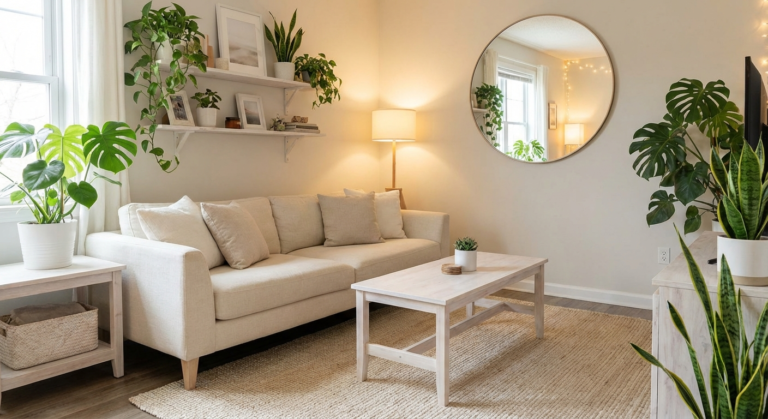
Japandi interior design is a hybrid aesthetic that seamlessly merges Japanese minimalism with Nordic functionality. The short answer is that it is about owning fewer things, choosing high-quality natural materials, and letting each object earn its place in your home. This philosophy resonates deeply in 2026 as homeowners seek sanctuaries from digital overload and global economic uncertainty. Unlike fleeting trends that fade after a season, Japandi offers a timeless framework that adapts to various architectural styles, from modern urban apartments to traditional suburban houses. For seasonal updates, see our 15 Best Spring Home Decor Ideas 2026 to Change Your Space.
The style was formally identified by interior publications around 2017, but its philosophical roots run much deeper into history. Japanese design principles, such as ma (the intentional use of empty space) and wabi-sabi (the acceptance of transience and imperfection), pair naturally with the Scandinavian tradition of clean lines, pale woods, and cozy textiles. Together they create rooms that feel simultaneously spacious and warm. This fusion addresses the modern desire for sustainability, as both traditions prioritize longevity over disposable trends. In 2026, this translates to choosing quality over quantity, reducing waste, and creating environments that actively support mental well-being.
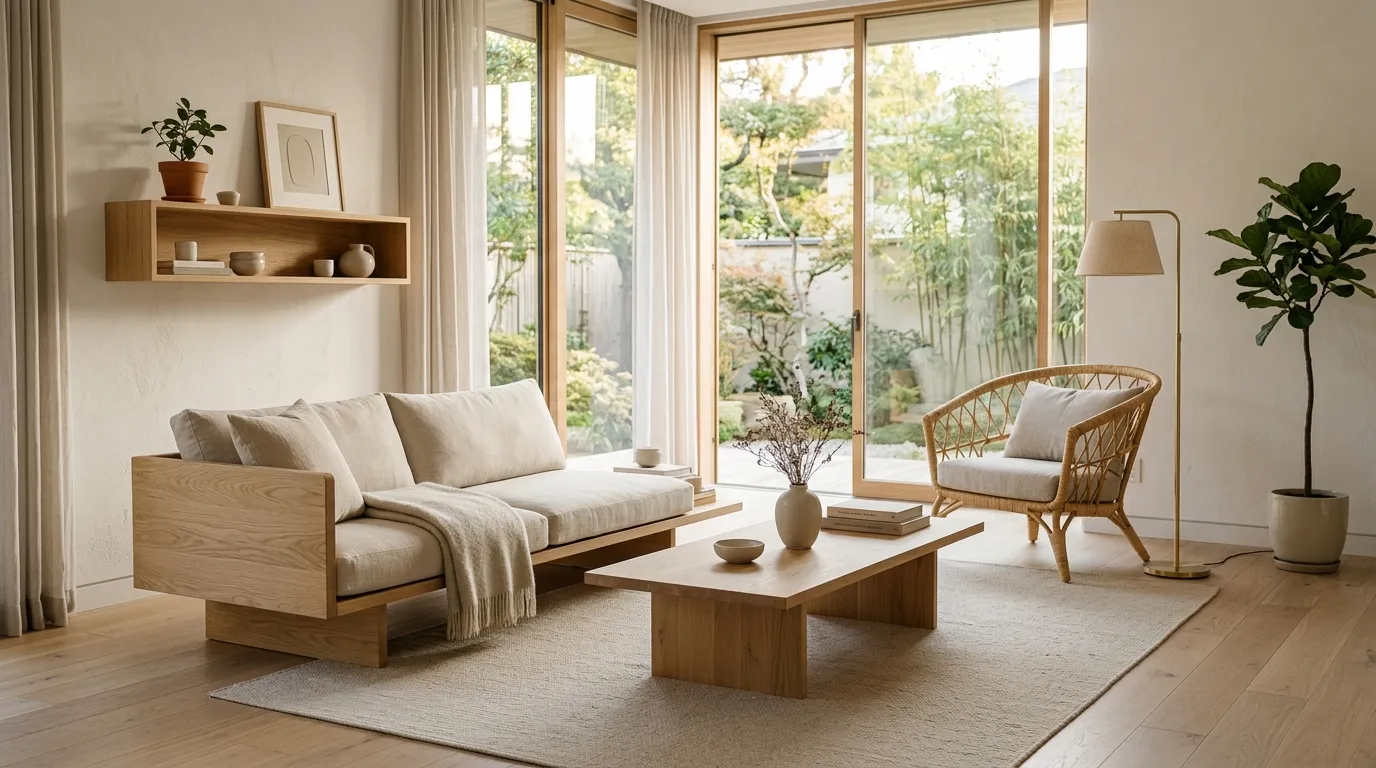
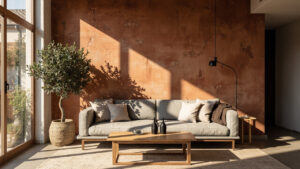
Key visual markers include:
- Neutral palettes: off-white, warm beige, charcoal, and sage green.
- Low-profile furniture: pieces with visible wood grain and lower heights to emphasize ceiling space.
- Handcrafted objects: artisanal items in clay, rattan, or linen that show human touch.
- Deliberately bare surfaces: featuring a single curated object rather than clusters of decor.
- Soft, diffused natural light: avoiding harsh overhead lighting in favor of layered lamps.
Unlike maximalism, which we covered in our Top 10 Maximalist Decor Ideas 2026 guide, Japandi deliberately resists the urge to fill every corner. That restraint is exactly what makes it achievable on a budget: you are buying less, not more.
Why Does Japandi Interior Design Work on Any Budget in 2026?
Most people assume Japandi requires expensive Scandinavian furniture imports or hand-thrown Japanese ceramics. It does not. The philosophy of both traditions actively discourages conspicuous spending and prioritizes longevity over novelty. This makes it an ideal choice for renters and first-time homeowners navigating the competitive 2026 housing market. The core tenet is resourcefulness, finding beauty in what already exists rather than constantly acquiring new items.
Here is why this style is genuinely budget-friendly in 2026:
Thrift stores are full of raw material. Solid wood side tables, rattan chairs, and ceramic bowls are staples in secondhand shops. Japandi just gives them a context. Simple refinishing can align these finds with your vision. Sanding down a dark wood table to reveal lighter grain can instantly modernize it. (source: U.S. Department of Energy home tips)
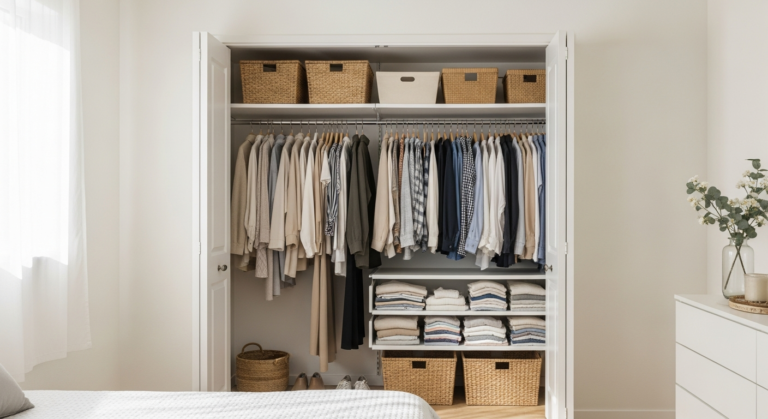
The edit is the design. Removing clutter costs nothing. In many Japandi rooms, the most impactful action was removing five items, not adding them. This reduces visual noise and improves mental clarity. A clear surface allows the eye to rest, which is a primary goal of the aesthetic. (source: EPA indoor air quality)
Neutral paint is cheap. A single gallon of warm white or soft charcoal paint transforms a room for under $40. For accent walls specifically, see our 15 Best DIY Accent Wall Ideas for 2026 for techniques that work perfectly with Japandi palettes. Lighter walls also reflect more natural light, reducing energy costs.
Fast fashion for home goods is easy to resist. Because Japandi favors permanence and natural aging, you are not chasing trends every season. Buy once, buy well, or buy secondhand. This approach saves money in the long run by reducing replacement frequency.
A 2024 study by IKEA’s Life at Home Report found that 72% of respondents across 37 countries said they wanted their home to feel “calm and free from stress.” Japandi delivers exactly that, and its minimalist approach means fewer purchases, not more.
What Are the Core Principles of Japandi Design Before You Buy?
Before purchasing any new items, you must understand the foundational rules that prevent the style from becoming sterile. The core principle is functionality meets beauty. Every object in a Japandi space should serve a purpose or bring genuine joy. This eliminates impulse buys that often clutter budgets and rooms alike.
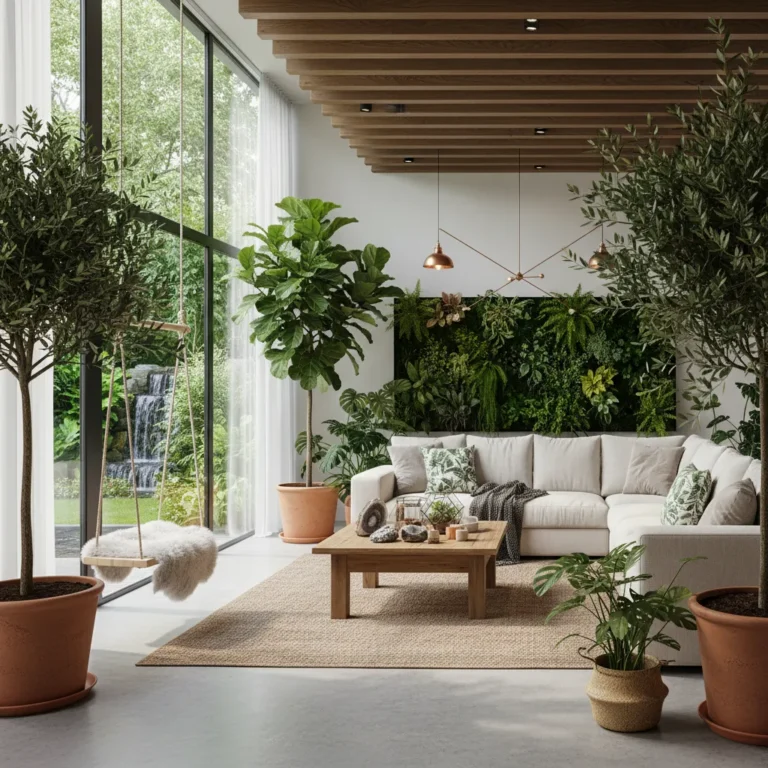
Another critical principle is the use of natural materials. Plastic and high-gloss finishes are avoided in favor of wood, stone, cotton, linen, and wool. These materials age gracefully,
Get the 4casahome digest
Honest reviews and no-hype guides — straight to your inbox. No spam, unsubscribe anytime.
Some links in our articles are affiliate links. See our full Affiliate Disclosure for details.
Related Articles
Written and tested by our editorial team
4CasaHome Editorial Team
Interior Design & Smart Home Experts
All product reviews are based on hands-on testing in real home environments. Smart home content is verified by our CEDIA-certified integrator. Meet our team.