15 Best DIY Accent Wall Ideas That Will Change Your Living Room (2026)

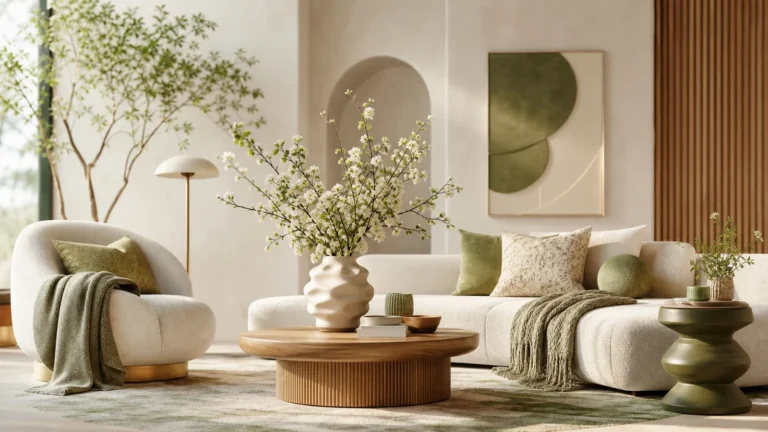
15 Best DIY Accent Wall Ideas That Will Change Your Living Room (2026) — editorial image for this 4casahome.com article
Home Decor
By the 4casahome TeamJune 26, 202614 min read✓ Independently reviewed
Table of Contents

title: “15 Best DIY Accent Wall Ideas That Will Change Your Living Room (2026)”
slug: “diy-accent-wall-ideas-living-room”
domain: “4casahome.com”
primary_keyword: “DIY accent wall ideas living room”
date: 2026-06-26
word_count: 2850
status: draft
author: “Lisa Morgan”
schema:
– HowTo
– FAQPage
– Article
meta_description: “15 DIY accent wall ideas for your living room in 2026: from limewash and shiplap to peel-and-stick and painted arches. Step-by-step with costs and products.”


15 Best DIY Accent Wall Ideas That Will Change Your Living Room (2026)

Your living room does not need new furniture. One wall, painted or treated well, transforms the whole room. Accent walls are the most cost-effective single change you can make to a living room, with most projects costing under $150 in materials and completable over a weekend. This guide covers 15 ideas, from the simplest (paint and tape) to the most dramatic (textured plaster and wood slats), each with a clear how-to path and product pointers.


1. Paint Accent Wall (The Classic Starting Point)

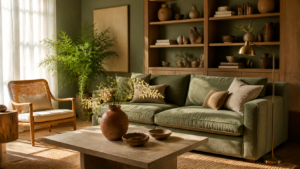
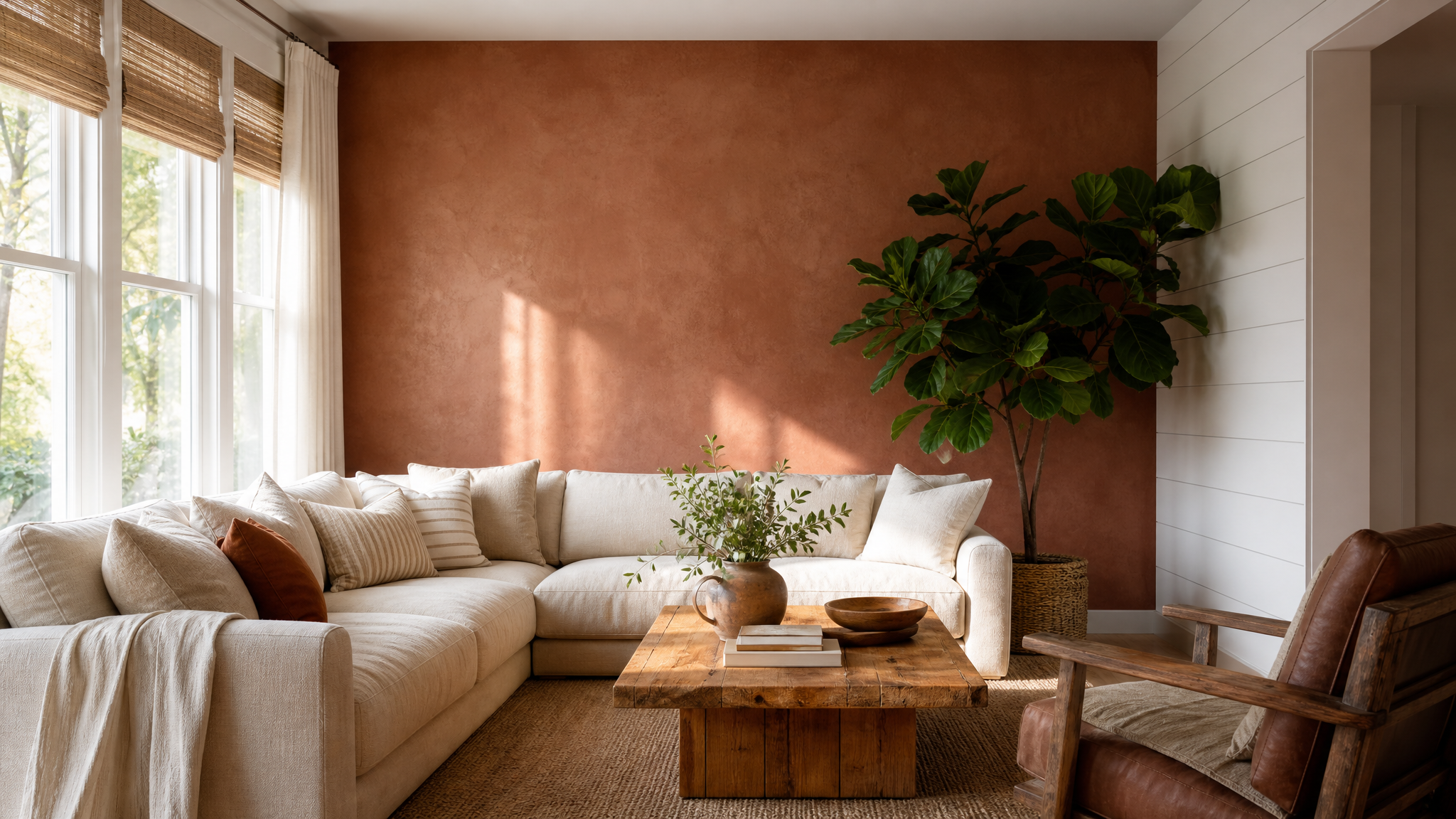
A single bold-color wall creates a focal point without touching anything else. In 2026, flat paint accent walls are evolving toward deeper, warmer tones: terracotta, dark teal, chocolate brown, and warm sage green. The trick is choosing the wall that already draws the eye (usually behind the sofa or fireplace) and going at least two shades deeper than your existing palette.

How to do it: Clean the wall, tape edges with painter’s tape, prime if switching from a very light to a very dark color, then apply two coats with a roller. Allow four hours between coats.

Renter-friendly: Yes. Paint is reversible with one coat of your original wall color.

What you need: A quality interior paint (Benjamin Moore, Behr, or Sherwin-Williams), painter’s tape and roller kit, and a small brush for edges. Budget: $40 to $80 total.


2. Shiplap Accent Wall

Shiplap gives a living room instant character. Horizontal planks stacked with a small gap create strong visual lines that make the room feel wider and more defined. White-painted shiplap reads as airy and coastal; left natural or stained, it reads as warm and organic.

How to do it: Buy 1×4 pine boards or pre-primed MDF shiplap planks, cut to your wall width, and nail into studs with a brad nail gun. Leave a nickel-width gap between boards. Fill nail holes with wood filler, sand lightly, and paint.

Budget alternative: Ripped plywood strips at around $60 for an 8×10 wall are virtually indistinguishable from real shiplap once painted, per Andor Willow’s 2026 wood paneling cost guide.

Renter-friendly: No (requires nails into studs). Homeowners only.

What you need: 1×4 pine boards and wood filler, brad nail gun, sandpaper, and interior paint. Budget: $80 to $160 for a standard 10-foot wall.


3. Board and Batten Accent Wall

Board and batten is one of the fastest-growing DIY wall treatments in 2026 because it adds serious architectural detail at a fraction of what custom millwork costs. The look is a horizontal chair rail at about one-third wall height, with vertical “battens” (thin boards) spaced evenly above or below it.

How to do it: Mark your batten spacing with a level and pencil (typically 12 to 16 inches apart). Glue and nail MDF or pine strips to the wall. Caulk every seam where board meets wall for a built-in, professional finish. Paint the entire section, including the existing wall behind the battens, in one color.

According to Home Depot’s board and batten installation guide, a 10-foot wall runs around $84 in total materials.

Renter-friendly: Possible with construction adhesive only (no nails), but check with your landlord first.

What you need: MDF strips, construction adhesive and caulk, paint, and a level. Budget: $80 to $200 depending on wall size.


4. Peel and Stick Wallpaper Accent Wall

Peel-and-stick wallpaper is the best accent wall option for renters who want high impact without a landlord conversation. In 2026, the quality from brands like Spoonflower, Tempaper, and Chasing Paper has reached a level where most visitors cannot tell it from traditional wallpaper. Patterns range from classic grasscloth textures to bold abstract murals.

How to do it: Clean and dry your wall completely. Start in a top corner and smooth each panel down with a squeegee or credit card to push air out. Overlap seams slightly for pattern matching. To remove, peel slowly from the corner at a 45-degree angle.

Renter-friendly: Yes, provided your wall paint is in good condition. Test one strip before committing.

What you need: Peel-and-stick wallpaper panels, a plastic squeegee, and a sharp utility knife for trimming edges. Budget: $30 to $120 per wall depending on pattern and brand.


5. Limewash Wall Tutorial

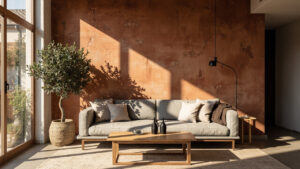
Limewash paint creates the kind of depth that flat paint cannot replicate. The slightly mottled, aged-plaster effect gives walls texture that changes with the light throughout the day. Brands like Portola Paints and Roman Decorating Products make ready-to-apply formulas. According to Jenna Sue Design’s limewash tutorial, the process is more forgiving than regular paint because imperfection is part of the look.

How to do it: Apply with a thick natural-bristle brush in overlapping X-strokes. While still wet, go back over with a damp cloth or sponge to pull off some of the paint, creating variation. Two coats are typically needed. The first coat will look patchy, which is correct.

Renter-friendly: Technically no (it is paint), but it can be repainted over. Some landlords accept it with a deposit.

What you need: Limewash paint and natural-bristle brush, and a damp rag. Budget: $60 to $120 per gallon (one gallon covers roughly 200 sq ft at two coats).


6. Color Drenching

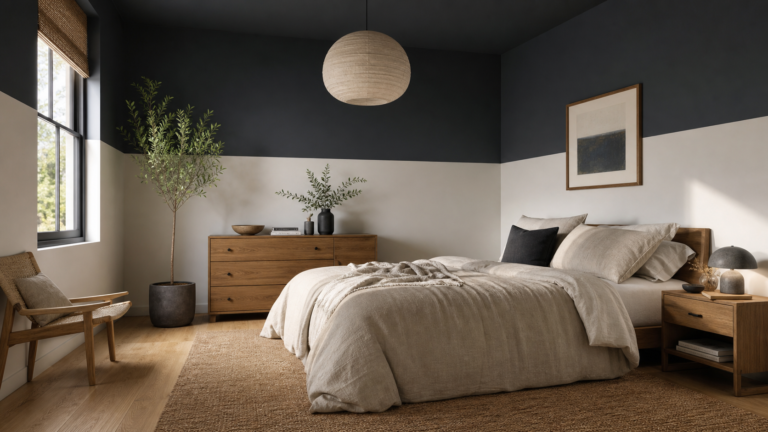
Color drenching means painting the walls, ceiling, trim, and baseboards all in the same color. The result is an immersive, intentional room that looks considered without adding a single piece of furniture. It works best with deeper, saturated tones: navy, forest green, terracotta, or burgundy.

How to do it: Choose one deep color. Paint walls, trim, ceiling, and door frames in the same tone throughout the room. You can use eggshell on walls and semi-gloss on trim for subtle sheen differentiation without color contrast.

This is a major 2026 living room trend confirmed by We and the Color’s color drenching guide and Homes & Gardens’ 2026 trend reporting [source: training, to verify].

Renter-friendly: No (full room repaint required).

What you need: A single interior paint color in eggshell or satin finish, rollers, and enough paint for ceiling and trim coverage. Budget: $80 to $150 for a standard living room.


A gallery wall is a commitment in the best possible way. A well-edited collection of frames, prints, and objects turns a blank wall into a personal visual statement. The key word is “edited.” Random frames in random sizes look cluttered; a cohesive gallery feels deliberate.

How to do it: Choose a unifying element (same frame color, same mat color, or consistent art style). Lay all pieces on the floor first to test the arrangement. Start with the largest piece slightly left of center, then build outward. Space frames 2 to 3 inches apart for a tight, intentional look.

For print sources, sites like Desenio, Society6, and Art.com offer affordable downloadable prints [source: training, to verify current availability].

Renter-friendly: Yes, with removable picture-hanging strips like Command Strips.

What you need: Frames, removable picture-hanging strips, a level, and prints of your choice. Budget: $50 to $200 depending on frame count and art sources.


8. Fluted Panels

Fluted panels are MDF or PVC panels with repeating vertical grooves that create a shadow-play texture at any time of day. The category is up 33% year-on-year in search interest [source: training, to verify against keyword data], and for good reason. They look architectural, install in an afternoon, and paint in any color.

How to do it: Buy pre-grooved MDF fluted panels from a home improvement store or online. Cut to height with a circular saw or have them cut at the store. Attach with construction adhesive and finish nails. Fill seams and nail holes, then prime and paint.

Renter-friendly: No (adhesive and nail attachment). Homeowner project.

What you need: Fluted MDF wall panels, construction adhesive, a saw, sandpaper, primer, and paint. Budget: $120 to $250 for a 10-foot wall.


9. Geometric Pattern Wall

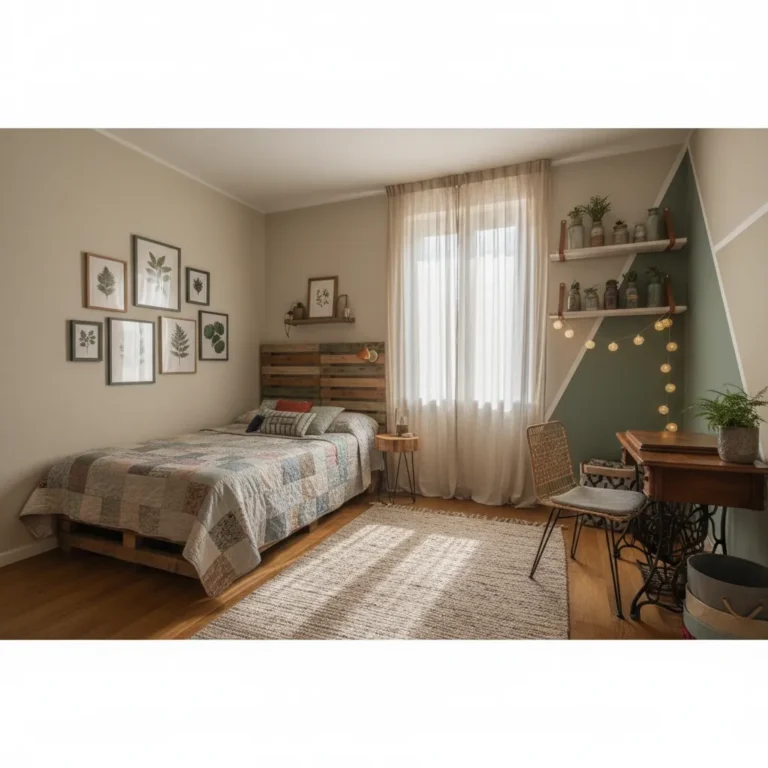
A geometric accent wall uses painter’s tape and two or more paint colors to create patterns: triangles, diamonds, vertical stripes, or abstract shapes. It requires patience with tape but no special tools.

How to do it: Sketch your pattern to scale on paper first. Use a level and chalk line to mark the design directly on the wall. Apply painter’s tape to all edges. Paint sections one color at a time, allowing each coat to dry before removing tape. Peel tape while paint is still slightly tacky for the cleanest edges.

Geometric designs are confirmed as a 2026 living room wall trend by My Inspo’s 2026 living room paint ideas guide.

Renter-friendly: Yes (paint only, fully reversible).

What you need: Two interior paint colors, precision painter’s tape, a chalk line, and a level. Budget: $40 to $80.


10. Textured Plaster

Textured plaster (or joint compound applied with a trowel) gives walls a Venetian plaster look for a fraction of the cost. Applied in irregular, overlapping strokes, it creates light-catching texture across the whole wall surface.

How to do it: Apply pre-mixed joint compound with a wide trowel in thin, overlapping layers. Do not spread too thick. The irregularity is intentional. Let dry fully, sand any sharp edges lightly, seal with a clear wax or matte sealer, then paint or leave natural white.

Ready-to-apply textured plaster products are available from brands like Roman Decorating Products [source: training, to verify current product availability].

Renter-friendly: No. This adds physical texture to the wall surface that requires sanding to remove.

What you need: Pre-mixed joint compound and a wide trowel, sandpaper (220 grit), and wall sealer. Budget: $50 to $100.


11. Brick Effect Wall

A faux brick effect uses peel-and-stick brick panels, thin brick veneer tiles, or a paint stencil technique. The peel-and-stick version is the most accessible and renter-friendly. Thin brick veneer is heavier and requires adhesive but gives the most realistic result.

How to do it (peel-and-stick): Clean the wall surface. Peel and press each brick panel, working row by row. Use a utility knife to cut panels to fit corners and edges. Grout lines are built into the panel design.

How to do it (stencil): Apply a base coat in warm gray or tan. Use a brick stencil and a dark sponge brush to dab on mortar-tone color. The variation from the sponge creates a realistic, aged look.

Renter-friendly: Peel-and-stick brick panels: yes. Thin brick veneer: no.

What you need: Peel-and-stick brick wall panels or thin brick veneer tiles and tile adhesive. Budget: $50 to $150.


12. Wood Slats Accent Wall

Individual wood slats mounted horizontally or vertically with deliberate gaps between them create a warm, organic texture that works well in living rooms with natural light. The gaps add depth and let the wall color behind them become part of the visual design.

How to do it: Paint the wall behind your planned slat area in a contrasting color (often dark charcoal or black, to make the gaps pop visually). Cut 1×2 or 1×3 pine or oak strips to length. Mount with a brad nail gun directly to the wall, using a spacer scrap to keep gaps consistent.

For a renter-friendly version, mount slats to a painted plywood sheet first, then lean the finished panel against the wall.

Renter-friendly: Homeowner version: no. Panel-leaning version: yes.

What you need: 1×2 pine strips and wood stain, a brad nail gun, sandpaper. Budget: $80 to $180 for a 10-foot wall.


13. Mirror Accent Wall

A cluster of mirrors on one wall serves two functions: it creates a visual focal point and it bounces light to make the room feel larger. This works especially well in living rooms that lack natural light or have a single narrow window. Arched mirrors, sunburst mirrors, and round mirrors in mixed sizes are the dominant shapes in 2026.

How to do it: Choose three to five mirrors in a consistent finish (gold, black, or natural wood). Arrange on the floor first. Hang the largest mirror at eye level as the anchor, then build the cluster outward with smaller mirrors. Use wall anchors rated for the mirror weight.

For more ideas on combining mirrors with natural textures and plants, see the biophilic design home ideas guide on the site.

Renter-friendly: Yes, with proper wall anchors and landlord approval.

What you need: Decorative wall mirrors in mixed sizes, wall anchors, a level. Budget: $80 to $250 depending on mirror choice.


14. Painted Arch

A painted arch on one wall is one of the simplest statement moves you can make in a living room. A large arch shape in a contrasting or complementary color frames a sofa, a chair, or a display shelf and turns a plain wall into intentional architecture. According to Home in the Hemlocks’ painted arch guide, the whole project takes under three hours.

How to do it: Find the center of your wall and mark it. Use a long piece of string tied to a pencil as a compass to draw your arch curve onto the wall. The string length equals the arch radius. Fill the arch shape with a roller, using a small brush to cut in the curved edge. One coat is often enough with a deep enough color.

Renter-friendly: Yes (paint only, fully reversible).

What you need: Paint, painter’s tape and a small artist’s brush for the curve edge, and a roller. Budget: $20 to $50.


15. Bold Wallpaper Mural

A full-wall wallpaper mural is the highest-impact accent wall option on this list. A single photographic or illustrated mural (forest, abstract color wash, architectural motif) makes the entire room feel designed around that one decision. Peel-and-stick mural formats make this accessible to renters.

How to do it: Measure your wall precisely. Order a mural sized to your exact dimensions. Start hanging from the center panel outward for pattern alignment. Use a squeegee for smooth application. Trim excess at ceiling and baseboard with a sharp utility knife and a straight edge.

For more budget-friendly decor ideas that pair well with a bold accent wall, see the IKEA hack living room ideas 2026 guide on the site.

Renter-friendly: Yes, with peel-and-stick mural format. Traditional paste murals: no.

What you need: Peel-and-stick wall mural, a plastic squeegee, and a utility knife. Budget: $80 to $200 depending on wall size and supplier.


Best Pick: Shop All DIY Accent Wall Supplies on Amazon

Amazon is the most practical starting point for most of the projects above. Fast delivery, easy returns, and a wide enough product range to shop for paint tools, peel-and-stick materials, wood strips, frames, and mirrors in one place.

Top categories for living room accent wall projects on Amazon:

  • Peel-and-stick wallpaper and wall murals (renters)
  • Painter’s tape, rollers, and edge tools (paint and geometric projects)
  • Brad nail guns and trim boards (shiplap, board and batten, wood slats)
  • Decorative mirrors in mixed sizes (mirror cluster wall)
  • Limewash paint and natural-bristle brushes (textured finishes)
  • Pre-grooved MDF fluted panels (architectural paneling)

Shop DIY accent wall supplies on Amazon and find everything for your project in one place with free returns on most items.

Wayfair also carries a strong range of decorative mirrors and wall art if you want to browse room-scale pieces. Home Depot is the go-to for lumber, MDF panels, adhesive, and paint for the structural projects.


FAQ: DIY Accent Wall Ideas for Living Rooms

What is the easiest DIY accent wall to do?

A painted accent wall is the easiest starting point. Choose one wall, apply painter’s tape to the edges, and roll on two coats of a contrasting paint color. The whole project takes about three to four hours and costs under $60 in materials.

Which accent wall ideas work for renters?

Peel-and-stick wallpaper, gallery walls with Command Strips, mirror clusters, painted arches, and geometric paint patterns are all fully reversible. Avoid any project that requires nailing into studs or applying construction adhesive directly to the wall surface.

How much does a DIY accent wall cost?

Costs range from $20 (a painted arch) to $250 (fluted panels or a wood slat wall). Most popular options, including shiplap, board and batten, limewash, and peel-and-stick wallpaper, land between $60 and $150 in materials.

What is the most on-trend accent wall for living rooms in 2026?

Textured finishes are leading in 2026. Limewash, fluted panels, and wood slats are the three most searched accent wall types this year, replacing the plain bold-paint wall that dominated the early 2020s. Color drenching is also a significant 2026 direction.

Do I need to hire a professional for any of these projects?

None of the 15 ideas on this list require professional installation. The most demanding projects (board and batten, shiplap, fluted panels, wood slats) require a brad nail gun and a circular saw, but both tools are available to rent at most home improvement stores.


Get the 4casahome digest

Honest reviews and no-hype guides — straight to your inbox. No spam, unsubscribe anytime.

Some links in our articles are affiliate links. See our full Affiliate Disclosure for details.

Written and tested by our editorial team

4CasaHome Editorial Team

Interior Design & Smart Home Experts

All product reviews are based on hands-on testing in real home environments. Smart home content is verified by our CEDIA-certified integrator. Meet our team.
Similar Posts