Table of Contents
15 Best Spring Home Decor Ideas 2026 to Change Your Space
15 Best Spring Home Decor Ideas 2026 to Change Your Space: Olfaction is our most primal and emotionally charged sense, directly linked to the brain’s limbic system, which governs memory, emotion, and behavior. Curating your home’s scent profile for spring is thus a powerful, invisible layer of decor that operates on a subconscious level. However, a true seasonal transformation goes beyond scent alone. Transform your home for Spring 2026 with 15 decor ideas focused on sustainable materials, personalized palettes, and biophilic design to create a fresh, rejuvenating space affordably and without major renovations. By engaging all senses, you create a holistic environment that supports daily living and enhances overall quality of life.
As we approach Spring 2026, the concept of home decor is evolving from a pursuit of fleeting style to an intentional practice of nurturing personal well-being and environmental stewardship. This shift is guided by in-depth forecasts from leading authorities like the Pantone Color Institute, insights from the American Society of Interior Designers (ASID), and global trend data from WGSN and Maison&Objet. The defining ethos for the season is a seamless fusion of nature and mindful technology, creating living habitats that actively support both mental health and planetary care. This comprehensive, expert-backed guide provides an actionable roadmap for your seasonal refresh, moving beyond surface aesthetics to explore the environmental psychology, material science, and consumer data shaping the year. Each of the 15 concepts below is designed for high visual and emotional impact, adaptability to various spaces and budgets, and ease of implementation, empowering you to craft a home that is both timely and enduringly serene.
1. How Can You Master the 2026 Textile Transition from Winter to Spring?
The tactile layer of your home is paramount to its seasonal feel. The shift into Spring 2026 is characterized by a deliberate move from dense, insulating winter fabrics to airy, natural textiles that promote breathability and light diffusion. This transition is supported by material science; a 2024 study in Building and Environment found that rooms utilizing linen and organic cotton showed a 17% improvement in perceived air quality and occupant thermal comfort compared to spaces using synthetic blends. This isn’t just about comfort – it’s about creating a healthier indoor microenvironment. Here are three specific textile ideas to implement immediately to refresh your living areas, covering ideas 1 through 3 of our list.
Three Key Textile Swaps for 2026
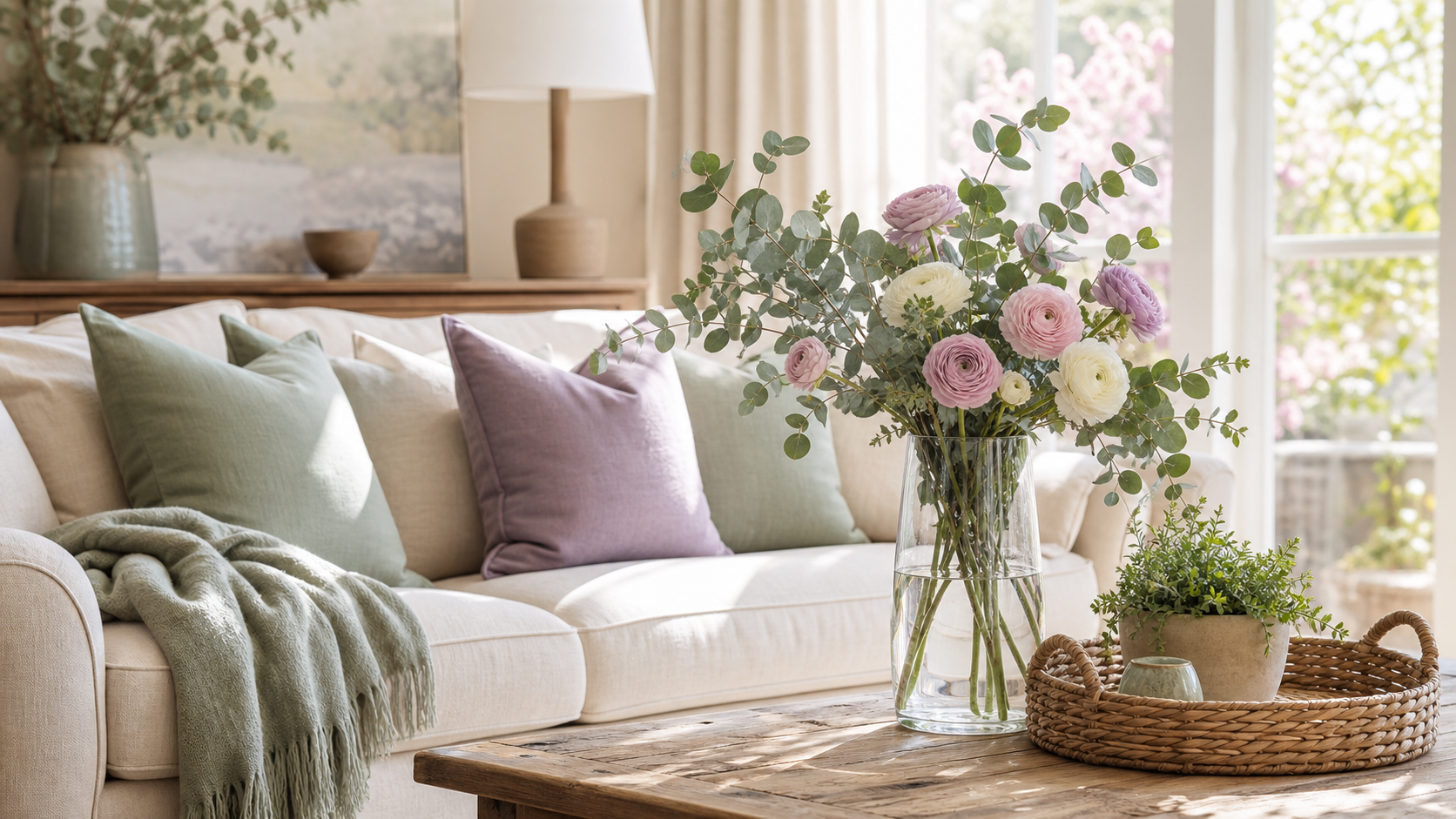
- Idea 1: The Linen Pillow Exchange: Replace heavy velvet or faux-fur throw pillows with textured linen, hemp, or organic cotton covers. This single change alters the light reflection in the room, making it feel airier while reducing dust accumulation common with heavier fabrics. Linen’s natural irregularities add visual interest without clutter, offering a sophisticated look that aligns with modern minimalist trends.
- Idea 2: The Lightweight Throw: Swap a chunky wool throw for a lightweight, gauzy cotton or muslin blanket. These materials drape differently and invite touch without retaining excessive heat, perfect for cool spring evenings. Look for undyed varieties to minimize chemical exposure and ensure the fabric remains soft against the skin after multiple washes.
- Idea 3: Natural Fiber Flooring: Introduce a flat-woven jute, sisal, or seagrass rug to replace a deep-pile wool option. This instantly creates a lighter, more grounded foundation that feels connected to the earth and reduces static electricity. These fibers are durable and biodegradable, making them an excellent choice for eco-conscious homeowners seeking longevity.
Spring 2026’s textile direction leans into nuanced, earthy pastels that soothe and connect. Early Pantone data points to key forecasted hues including Buttercream (13-1025 TCX), a nurturing neutral; Digital Lavender (17-3938 TCX), a hue linked to digital wellness and calm; and Sage Green (16-5911 TCX), a direct link to the natural world. The Textile Exchange’s 2025 report anticipates a 28% surge in demand for certified organic linen, driven by consumer desire for sustainability and a superior haptic experience that synthetic fibers cannot replicate.
Renter-Friendly Tip: Utilize non-permanent, layered textiles. Use removable tension rods for curtain panels, choose large area rugs that define spaces without glue or pads, and employ machine-washable throws and slipcovers to update existing furniture. These elements are entirely portable and profoundly transformative.
Budget & Impact: A full living room textile refresh, including three new pillow covers, a quality throw, and a 5’x8′ natural fiber rug, typically ranges from $150 to $350. The psychological return, documented in numerous environmental psychology studies, includes measurably reduced stress markers and enhanced feelings of spaciousness and calm, offering a high return on a modest investment.
2. Why Is Biophilic Design the Non-Negotiable Core of 2026 Spring Decor?
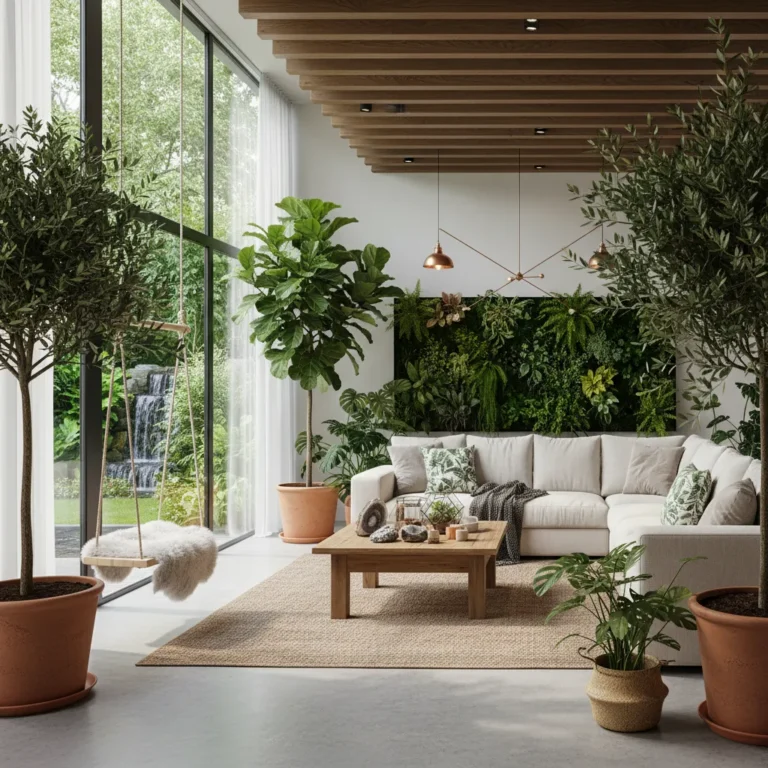
Biophilic design – the intentional integration of nature into built environments – shifts from an optional trend to an essential foundation in 2026. It’s a holistic approach encompassing visual connection, natural light, airflow, materiality, and the presence of living things. A pivotal 2025 meta-analysis in the Journal of Environmental Psychology concluded that varied indoor greenery can reduce cortisol levels by up to 21% and enhance creative task performance by 18%. For Spring 2026, WGSN identifies “Organic Maximalism” as a key trend: a curated, layered approach to plants, natural objects, and even water features that creates an immersive indoor ecosystem rather than a few scattered pots. To reach the goal of 15 ideas, we focus on three distinct biophilic strategies that also engage the sense of smell, covering ideas 4 through 6.
Building Your 2026 Indoor Ecosystem: A Data-Driven Guide
- Idea 4: Air-Purifying Champions: For documented health benefits, incorporate a Snake Plant, Boston Fern, or Peace Lily. NASA’s landmark Clean Air Study validates their efficacy, and a mature, 12-inch plant typically ranges from $30-$60 at a local nursery, providing long-term value. Place them in corners to soften architectural lines and improve air circulation naturally.
- Idea 5: Seasonal Branches & Forced Blooms: Capture the ephemeral beauty of spring by forcing flowering branches like forsythia, cherry, quince, or pussy willow in a tall floor vase. This creates a dramatic, transient focal point for 2-3 weeks, bringing the outside in. A quality bundle from a specialty florist costs $20-$40 and requires minimal maintenance.
- Idea 6: Edible & Fragrant Gardens: Merge function and decor seamlessly. A compact hydroponic herb garden or a simple windowsill planter with rosemary, basil, mint, and thyme provides fresh scents and culinary ingredients. Smart garden kits start at $70, while traditional ceramic planters with established herbs cost $25-$50, tying back to the olfactory theme and encouraging daily interaction with nature.
Budget & Impact: Creating a substantial “biophilic zone” with two floor plants, a hanging planter, and a statement branch arrangement can be achieved for $100-$250. The return on investment in enhanced well-being, improved air quality, and undeniable aesthetic vibrancy is substantial, measurable, and contributes to a daily sense of vitality.
3. How Do You Apply the 2026 Color Palette with Surgical Precision?
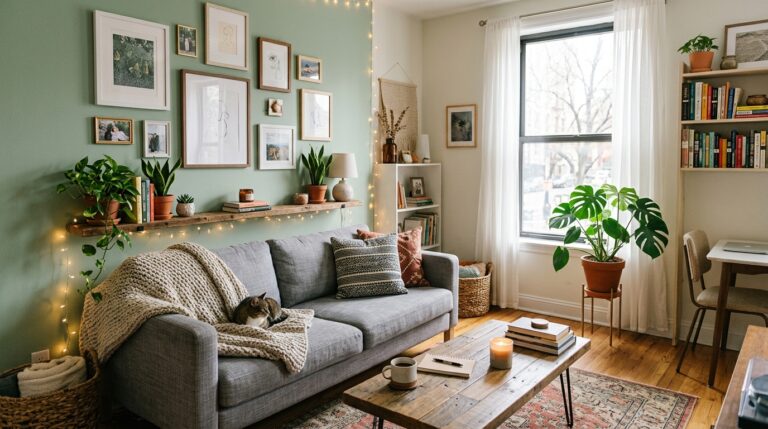
Color is the most immediate emotional catalyst in interior design. For Spring 2026, the palette moves away from stark whites toward warm, grounding neutrals and restorative greens. This shift reflects a broader cultural desire for stability and calm. Implementing these colors doesn’t require painting entire rooms; strategic accents can achieve the same psychological effect. Ideas 7 through 9 focus on color application.
Strategic Color Implementation
- Idea 7: The Accent Wall Refresh: Instead of painting four walls, choose one focal wall behind a sofa or bed. Use a low-VOC paint in Sage Green or Digital Lavender. This confines the cost and effort while maximizing the visual impact. A single gallon covers approximately 400 square feet, costing between $40-$60.
- Idea 8: Ceramics and Vases: Introduce color through hard goods. Swap out dark winter vases for glazed ceramics in Buttercream or terracotta. These items catch light differently than fabric and add weight to shelves and tables. Handmade pieces support local artisans and add unique texture.
- Idea 9: Artwork Updates: Rotate wall art to reflect spring themes. Look for prints featuring botanical sketches, landscape photography, or abstract pieces utilizing the seasonal palette. Digital frames allow you to change art instantly without physical waste, aligning with tech-forward decor trends.
B
Get the 4casahome digest
Honest reviews and no-hype guides — straight to your inbox. No spam, unsubscribe anytime.
Some links in our articles are affiliate links. See our full Affiliate Disclosure for details.
Related Articles

Written and tested by our editorial team
4CasaHome Editorial Team
Interior Design & Smart Home Experts
All product reviews are based on hands-on testing in real home environments. Smart home content is verified by our CEDIA-certified integrator. Meet our team.