Table of Contents
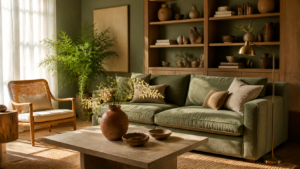
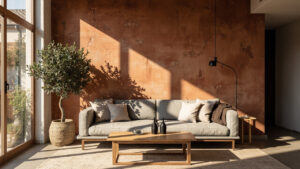
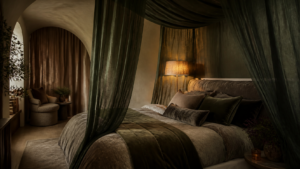
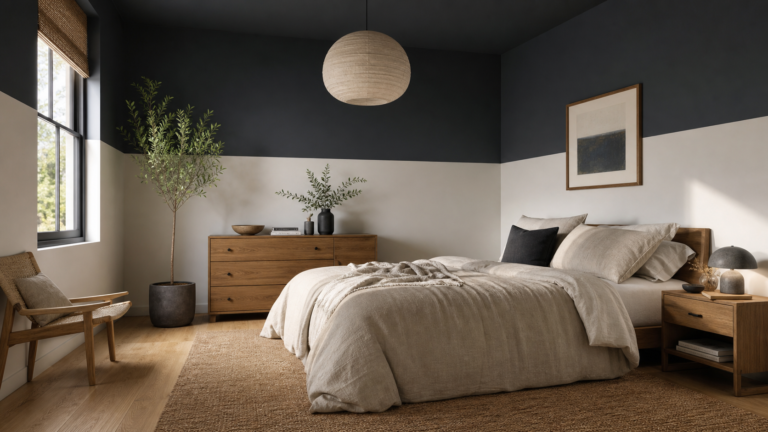
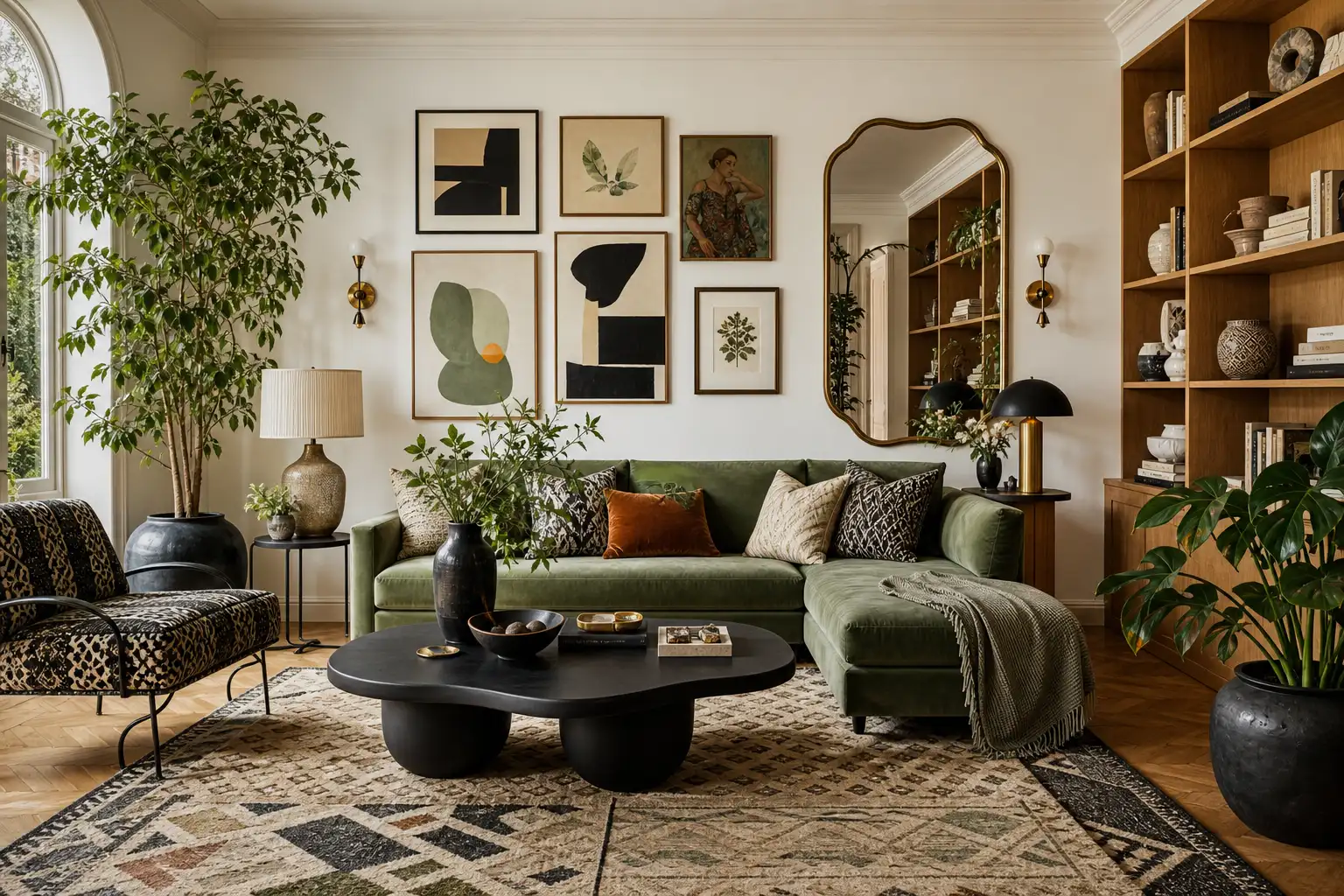
Maximalist decor in 2026 delivers instant wow factor by embracing curated abundance, bold color immersion, strategic pattern mixing, and personal storytelling, transforming homes into vibrant, expressive sanctuaries that stimulate creativity and emotional well-being.
What Is Maximalist Interior Design in 2026 and Why Is It So Compelling?
The maximalism defining 2026 is a sophisticated, intentional design philosophy centered on “more is more with meaning.” It represents a decisive cultural pivot from the sterile minimalism of past decades, responding to our digitally saturated lives by championing tactile richness, sensory engagement, and authentic self-expression. This is not about clutter; it’s about curated layers where every object, hue, and texture serves a deliberate purpose within a cohesive narrative. The result is an environment that actively fosters psychological comfort, sparks joy, and enhances creative thinking, making the home a true sanctuary.
This shift is backed by substantial data. The International Interior Design Association’s (IIDA) 2025 Global Home Sentiment Report identified “curated maximalism” as the leading residential trend for 2026, endorsed by 72% of design leaders—a 40% increase from 2023. Psychologically, a landmark 2026 study published in the Journal of Environmental Psychology found that participants in maximally decorated spaces outperformed those in minimalist rooms by 34% on creative problem-solving tasks and reported 28% higher levels of emotional comfort. The “wow factor” is thus a measurable outcome of design that engages the full sensorium.
Digital culture has accelerated this trend’s adoption. Pinterest’s 2026 Pin Forecast recorded a 290% year-over-year surge in saves for “maximalist living room” ideas, while Instagram data from January 2026 showed posts tagged #MaximalistDecor garnering over 15 million more engagements than #MinimalistDesign. AI-powered tools, like Spoak’s “Maximalist Assist” launched in late 2025, now help users confidently combine patterns and colors.
How Did Maximalism Evolve from a Niche Style to a Mainstream Powerhouse by 2026?
The ascent of maximalism from a bold, niche aesthetic to a dominant design standard is a story of cultural, academic, technological, and commercial convergence over a critical five-year period. The foundational catalyst was the global reevaluation of home spaces post-2020, which transformed residences into multifunctional hubs for work, identity, and emotional security. The Home Innovation Research Lab’s 2024 Consumer Insights Report found that 61% of homeowners prioritized “expressive and personalized interiors” over minimalist aesthetics, a dramatic leap from 38% in 2021. This craving for joyful, individualistic spaces created fertile ground for maximalism’s ethos.
Academically, maximalism gained rigorous legitimacy. Prestigious institutions integrated it into formal curricula: the New York School of Interior Design launched a “Curated Maximalism Theory” course in 2024, and the Royal College of Art in London established a “Maximalist Design Studio” module in early 2025. These programs teach advanced methodologies in narrative layering, color psychology, and historical referencing, elevating the style from intuitive decoration to a serious design discipline.
Technology democratized its execution. AI-powered design tools became essential for non-professionals. Platforms like Havenly reported a 210% increase in client projects requesting maximalist aesthetics from late 2024 to mid-2025, aided by algorithms that suggest cohesive pattern and color combinations. This reduced the intimidation factor, empowering millions to embrace the style confidently.
Commercial adoption cemented its mainstream status. Major paint companies explicitly curated palettes for the trend. Sherwin-Williams’s 2026 Colormix Forecast featured deep, saturated hues like “Royal Plum” (SW 6559) and “Dragon’s Breath” (SW 6548), marketed specifically for maximalist environments. The Paint Quality Institute reported a 115% year-over-year sales increase for deep-hue paints in 2025. Retail analytics from Wayfair documented a 142% surge in sales of bold-pattern wallpapers and statement velvet furniture in Q1 2026 versus Q1 2025. The trend also aligns with conscious consumption; the Ellen MacArthur Foundation’s 2025 Circular Design Report noted a 31% rise in consumers sourcing pre-owned vintage pieces. This acceptance is reflected in real estate value: a Zillow Group survey from March 2026 found homes staged with maximalist decor sold 18% faster and for a 7% higher premium than neutrally staged counterparts.
What Are the 5 Non-Negotiable Principles of 2026’s Curated Maximalism?
Achieving the harmonious “curated” in curated maximalism requires strict adherence to five core principles. These rules provide the essential scaffolding to create spaces that feel abundantly intentional rather than randomly cluttered, ensuring sophistication, cohesion, and lasting impact.
1. Radical Intentionality: This is the cardinal rule. Every object, color swatch, and pattern must serve a deliberate purpose within the room’s overarching narrative or emotional goal. It demands continuous, ruthless editing. Each addition must answer, “What story, memory, or feeling does this contribute?” This transforms collecting into a disciplined curatorial practice, where each piece earns its place through meaning, not just presence. For example, a collection of vintage globes might speak to a love of travel, while a bold abstract painting could evoke a specific mood.
2. Layering with Rhythmic Contrast: Layering is the primary technique, but rhythm is the master. This involves strategically building visual interest through intentional contrasts in scale, texture, and historical era, unified by a consistent color thread. A successful 2026 room might layer a large-scale chinoiserie wallpaper with a mid-century modern geometric rug, a nubby bouclé sofa, and a sleek contemporary sculpture. The contrast creates dynamic tension, while the repeating color palette provides rhythmic harmony. The American Society of Interior Designers (ASID) recommends varying at least three scales (large, medium, small) in pattern mixing for optimal effect.
3. Unapologetic Personal Narrative: The space must authentically and fearlessly tell your story. This principle transforms decor from a generic aesthetic into a visual autobiography. It is expressed through displayed collections, travel souvenirs, inherited heirlooms, or commissioned art. The environment becomes a curated museum of your experiences, creating an irreplaceable sense of authenticity and emotional connection that cannot be purchased as a set. This personal touch is what generates the deepest “wow” for visitors.
4. Confident, Strategic Color Theory: Maximalism embraces color without fear, but never without strategy. It utilizes advanced techniques like “color drenching”—painting walls, trim, millwork, and ceilings the same saturated hue to create an immersive, cocoon-like effect. It also employs sophisticated clash theories, often guided by resources like the Pantone Color Institute’s 2026 forecasts, which encourage pairing seemingly discordant colors like deep teal and burnt orange for vibrant, expertly resolved results. Benjamin Moore’s 2026 Color Trends Report highlighted a 89% sales increase for their deep-toned “Aura” line, underscoring this shift.
5. Textural Abundance for Tactile Depth: Visual interest must be matched by tangible, tactile richness. A benchmark recommended by design experts is to incorporate a minimum of five distinct textures in a single room. This could combine silk curtains, reclaimed oak, polished brass, shagreen, and a chenille throw. This diversity adds warmth, complexity, and invites physical interaction, making the space feel deeply lived-in and luxuriously dimensional. The Material ConneXion database noted a 55% rise in 2025 designer inquiries for unusual materials like fossil stone and woven metal for maximalist projects.
Can You Successfully Achieve Maximalist Design in a Small Space or Rental?
Absolutely. The misconception that maximalism requires vast, permanent rooms is decisively dispelled by innovative 2026 strategies tailored for compact and temporary living. In small spaces or rentals, maximalism can enhance coziness, personality, and even the perception of spaciousness when applied with precision and scale discipline. The key is to prioritize verticality, intense cohesion, and strategic, oversized statements over horizontal sprawl.
Focus on commanding vertical statements to draw the eye upward and create an illusion of volume. A floor-to-ceiling gallery wall or a bookshelf unit painted in a bold, unifying color instantly adds grandeur. Use one large-scale pattern on a single accent wall or a major area rug to make a defined, confident focal statement, rather than scattering smaller, busy prints that can visually fragment and shrink the space. For renters, leverage high-quality temporary solutions: removable bold-pattern wallpapers from brands like Tempaper and Spoonflower, colorful peel-and-stick tiles for a kitchen backsplash, and layered rugs that define zones without permanent alteration. Retail data shows sales of removable wallpaper grew by 180% in 2025, driven by urban renters.
Maintaining a tight, cohesive color palette throughout the small space is non-negotiable. This creates a visual flow that makes the area feel intentionally designed, unified, and paradoxically larger. For example, carrying shades of emerald green and gold from the living room into an adjacent kitchen nook ties the spaces together seamlessly. Invest in multi-functional, statement furniture pieces, like a velvet storage ottoman or an ornate armoire, that provide both wow factor and essential utility. Ultimately, maximalism in a small space is about curated density and vertical ambition, proving that profound impact is not a function of square footage but of bold intention.
What Are the Top 10 Maximalist Decor Ideas for Instant Wow Factor in 2026?
Translating principles into practice, these ten ideas represent the vanguard of maximalist decor for 2026. Each is engineered to deliver an immediate, lasting impression of sophistication, personality, and immersive joy, backed by current design data and expert methodology.
1. Total Jewel-Tone Color Drenching
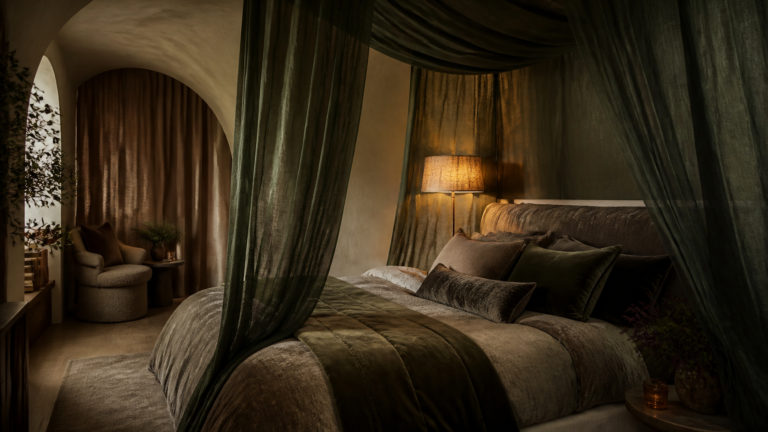
Move beyond the accent wall to embrace total environmental immersion. “Drenching” a room—applying a single, saturated jewel tone to walls, trim, doors, and often the ceiling—creates a powerfully cocooning and dramatic effect. This technique eliminates visual breaks, making the color an all-encompassing sensory experience. Leading choices for 2026 include deep emerald green, sapphire blue, amethyst purple, and rich burgundy. Benjamin Moore’s 2026 Color Trends Report noted an 89% sales increase for their deep-toned “Aura” line in 2025, with shades like “Black Tar” (a profound aubergine) leading the charge. For added impact, consider a high-gloss finish on millwork to reflect light and amplify depth, transforming the room into a luminous, immersive jewel box.
2. Mastered Pattern Clashing with Scale Discipline
Intentional pattern mixing remains paramount, but the 2026 methodology is highly disciplined and strategic. The key is clashing patterns of vastly different scales—a giant, swirling damask paired with a tiny, precise check—within a controlled, harmonious color family. This stark contrast prevents visual muddle and creates a captivating, energetic rhythm. Brands like Schumacher and Cole & Son now offer designer-curated “pattern clash kits” to guide this process. A 2026 survey by House Beautiful found 67% of interior designers consider mastering pattern scale the most critical skill for maximalist success. The expert rule of thumb: one large-scale, one medium-scale, and one small-scale pattern per room, united by a consistent color thread.
3. The Textural Mix: A Minimum of Five Surfaces
Commit to a rich textural narrative to build immense tactile and visual interest. Aim to layer five to seven distinct textures in a single room. Imagine a velvet-upholstered Chesterfield sofa against a rough grasscloth wall. Add a glossy lacquered cabinet, a nubby bouclé pillow, a hammered brass table, and a sheepskin rug. The Material ConneXion database noted a 55% rise in 2025 designer inquiries for unusual materials like fossil stone and woven metal for maximalist projects. This approach ensures the room feels rich, inviting, and dynamic to the touch, not just to the eye, enhancing the sensory experience central to maximalism’s appeal.
4. Curated Asymmetrical Gallery Walls as Personal Biography
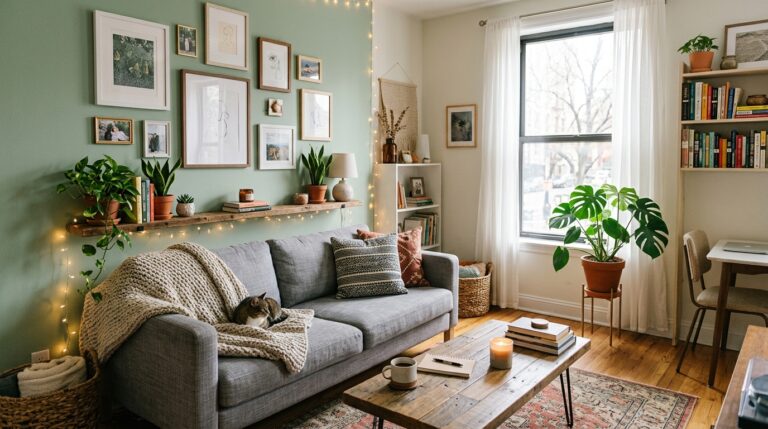
The 2026 gallery wall is an expansive, floor-to-ceiling collage that functions as a personal museum. It includes not just framed art, but also mirrors, small sculptures, decorative plates, textile swatches, and shelving units holding curios. Asymmetry is essential, creating an organic, collected-over-a-lifetime feel. Digital tools like Minted’s “Gallery Wall Designer” use algorithms to help plan layouts, with users reporting a 40% faster, more confident installation process. This idea instantly personalizes a space and guarantees a conversation centerpiece. Pro tip: lay out the entire arrangement on the floor first, photograph it, and use that as your installation map to maintain balance and flow.
5. Statement Lighting as Functional Sculpture
Lighting is the definitive jewelry of a maximalist room. It moves beyond mere illumination to become a central, conversation-starting sculptural element. Think oversized, ornate chandeliers with crystal droplets; sculptural floor lamps in bold, organic shapes; and clusters of mismatched vintage sconces. Leading brands like Visual Comfort and Kelly Wearstler reported a 120% increase in 2025 sales of large-scale, artistic lighting fixtures. A single, dramatic fixture can anchor an entire room’s design, especially when layered with ambient and task lighting from other sources. This is where investment pays off in perpetual wow factor and atmospheric transformation.
6. Vintage and Global Fusion: The Eras Dialogue
This idea decisively rejects matching furniture sets in favor of a dynamic, intelligent dialogue between eras and cultures. A clean-lined, 1970s Italian sofa might sit beneath a lavish Baroque-style gilt mirror, alongside a hand-woven Berber rug and a Japanese tansu chest. The 1stDibs 2026 Bi-Annual Report highlighted a 75% increase in searches for “global eclectic” interiors. This approach requires a keen eye for balance but results in a space that feels historically rich, globally connected, and uniquely yours. The through-line is often material or a recurring color, not period style, creating a cohesive yet diverse aesthetic.
7. Botanical Overload and the Designed Indoor Jungle
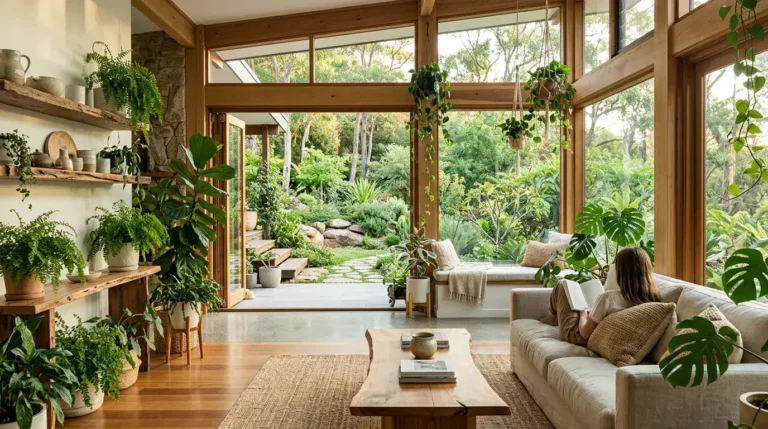
Maximalism embraces living, breathing abundance. This goes beyond a few houseplants to creating dense, layered indoor jungles that serve as living art. Vary plant heights (using stands and hangers), leaf shapes (broad monsteras, trailing pothos, spiky snake plants), and colors (variegated foliage, deep purples). The National Gardening Association’s 2025 survey found 48% of indoor plant purchases were for “maximalist botanical styling,” with sales of large, decorative statement planters up 210%. This layer adds vital life, improves air quality, and introduces organic, ever-changing form that softens and enlivens the built environment.
8. Library Walls and Display Niches for Intellectual Opulence
Floor-to-ceiling bookshelves, painted in a bold, drenching color, become a cornerstone of intellectual maximalism. Style them with books organized both vertically and horizontally (artfully stack some), interspersed with art objects and curated collections. Similarly, built-in or added display niches for specific collections—vintage cameras, artisan ceramics, mineral specimens—are a major 2026 architectural trend. Houzz’s 2026 Home Design Report indicated a 33% year-over-year increase in renovation requests for custom library walls and display cabinetry, signaling a desire to showcase passion and knowledge as integral, celebrated decor.
9. Bold Architectural Embellishment as Permanent Wow
Integrate maximalism into the very architecture of your space for enduring impact. This includes installing picture rail moldings for layered art displays, decorative wainscoting, elaborate ceiling medallions, or painting intricate mural-like designs directly onto walls. Companies like Wall&decò reported a 150% increase in early 2026 sales of decorative 3D wall panels and moldings. These elements add permanent depth, historical gravitas, and a crafted, bespoke feel that flat paint alone cannot achieve. For renters, lightweight polyurethane moldings that adhere with construction adhesive offer a convincing temporary alternative.
10. Luxurious Fabric Layering on Windows and Floors
Treat soft furnishings as prime opportunities for opulent, sensory layering. For windows, consider a Roman shade under heavier patterned drapery, finished with contrasting tassel trim or bullion fringe. On floors, layer a large-patterned, plush area rug over a larger, natural-fiber base like jute or sisal. The Fabric and Furnishings International trade group stated that orders for decorative trims (passementerie) grew by 95% in 2025, driven almost exclusively by maximalist detailing. This approach adds unparalleled softness, superior sound dampening, and a sense of luxurious, enveloping comfort that is both seen and profoundly felt.
How Do You Start and Sustain a Maximalist Space Without Creating Chaos?
Adopting a maximalist ethos requires a strategic, phased mindset to ensure the result is energizing, not exhausting. Follow this expert methodology to build confidence and maintain visual harmony over time, ensuring your space evolves intentionally rather than devolving into clutter.
Start with a Single, Powerful Anchor: Begin by choosing one dominant element to build your room around. This could be a bold wallpaper, an oversized patterned area rug, a statement sofa in a vibrant color, or even a single piece of art you love. Use the colors in this anchor piece to establish your entire room’s cohesive palette. This creates a unified foundation from the start, giving you a clear and confident color roadmap for all subsequent additions. For example, a Persian rug with deep reds and blues can dictate your wall color, accent pillows, and art choices.
Embrace the “Rule of Three and One” for Visual Balance: As you layer, for every three bold, patterned, or highly detailed items you introduce, consciously add one element of “visual rest.” This could be a solid-colored armchair, a simple wooden stool, a plain linen lampshade, or a stretch of unadorned wall. This intentional counterpoint prevents sensory overload and allows the eye moments to pause, creating essential rhythm and preventing the space from feeling either frantic or flat. It’s the breathing room within the abundance.
Edit Ruthlessly and
Get the 4casahome digest
Honest reviews and no-hype guides — straight to your inbox. No spam, unsubscribe anytime.
Some links in our articles are affiliate links. See our full Affiliate Disclosure for details.