Table of Contents
How to decorate a bedroom on a budget: 7 Luxe Secrets 2026
How to decorate a bedroom on a budget: 7 Luxe Secrets 2026: You can completely transform a bedroom for under $200, with no contractor, no debt, and absolutely no compromise on style. The secret lies in knowing which changes produce the highest visual return and which ones consume your budget with nothing to show. In the evolving landscape of interior design for 2026, luxury is no longer defined by price tags but by intentionality and cohesion. Modern homeowners are shifting away from fast furniture and toward curated, sustainable choices that feel personal and expensive. How to Make a Room Look Expensive Cheap: Brilliant Design…
Many homeowners overspend on large furniture pieces when simple tweaks to lighting and textiles yield significantly better results. This guide breaks down exactly how to decorate a bedroom on a budget using seven tested strategies, ranked by impact-per-dollar so you spend where it counts. Whether you are working with a strict $200 limit or simply want to maximize your investment, understanding the hierarchy of design elements is crucial. Strategic spending allows you to bypass the need for renovations while achieving a high-end aesthetic. 15 Best DIY Accent Wall Ideas That Will Change Your Livin…
Whether you are renting an apartment or owning a home, the principles of luxury design remain the same: layering, lighting, and cohesion. By focusing on high-visibility elements rather than structural changes, you can achieve a designer look without the designer price tag. Below, we explore the psychology of spending and the specific tactics that define 2026 interior trends. DIY Accent Wall Ideas for Living Room: 7 Methods for 2026
To achieve this transformation, focus on these seven core secrets:
- Layered Lighting Solutions: Move beyond the single overhead bulb to create depth and ambiance using multiple light sources at varying heights.
- Strategic Accent Walls: Use paint to define zones without construction or drywall work, focusing on the wall behind the bed.
- High-Quality Textile Layering: Invest in bedding and curtains that drape well and feel soft to the touch, prioritizing texture over thread count.
- Hardware Upgrades: Swap generic knobs for premium finishes like brass or matte black to modernize existing furniture instantly.
- Mirror Placement for Depth: Reflect light to double the visual space and brighten dark corners, making the room feel larger.
- Curated Surface Styling: Declutter and arrange decor using professional design rules like the rule of three for visual rhythm.
- Organic Greenery: Add life and color with plants to improve air quality and mood, choosing low-maintenance options for longevity.
Why Do Most Budget Bedroom Makeovers Fail?
Most people approach a bedroom refresh the wrong way: they go straight to furniture, buy a new bed frame or dresser, and exhaust the budget before touching lighting, textiles, or wall color. These three factors are what designers say matter most for perceived room quality. A 2024 survey by Houzz found that 69% of homeowners who redid a bedroom spent more than planned, and the top reason was unplanned furniture purchases that crowded out higher-impact, lower-cost elements. Japandi Interior Design 2026: 12 Budget-Friendly Ideas
When you prioritize large items first, you leave no room for the accessories that make a room feel finished. An expensive bed frame looks cheap under harsh fluorescent lighting with mismatched sheets. Conversely, a simple platform bed looks intentional under warm lighting with layered linens. The seven secrets below are ordered by visual impact per dollar spent. Work through them top to bottom and stop when the room looks exactly how you want; you may not need all seven to achieve a luxe look. The failure often stems from ignoring the “soft layers” that provide comfort and visual warmth.
To avoid this pitfall, create a budget allocation table before purchasing anything. Here is a recommended breakdown for a $200 makeover:
| Category | Recommended Budget | Impact Level |
|---|---|---|
| Lighting | $80 | High |
| Textiles | $60 | High |
| Wall Treatment | $40 | Medium |
| Decor & Styling | $20 | Medium |
Sticking to this allocation ensures you do not overspend on static items like frames while neglecting dynamic elements like light and texture that change the mood daily. This strategic approach is fundamental when learning how to decorate a bedroom on a budget effectively.
How Can Lighting Transform a Bedroom on a Budget?
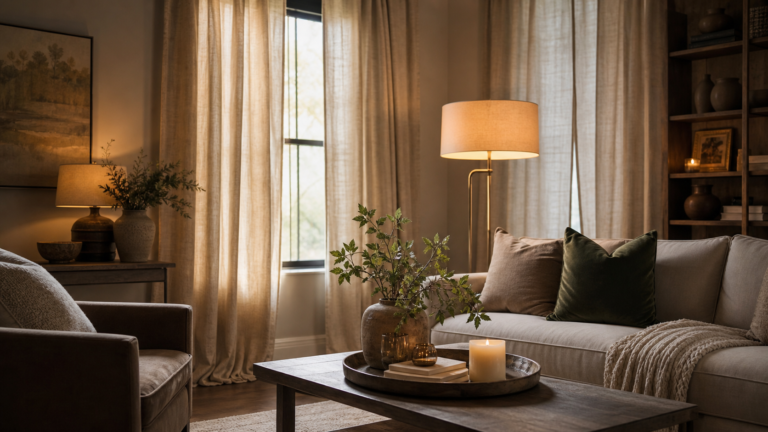
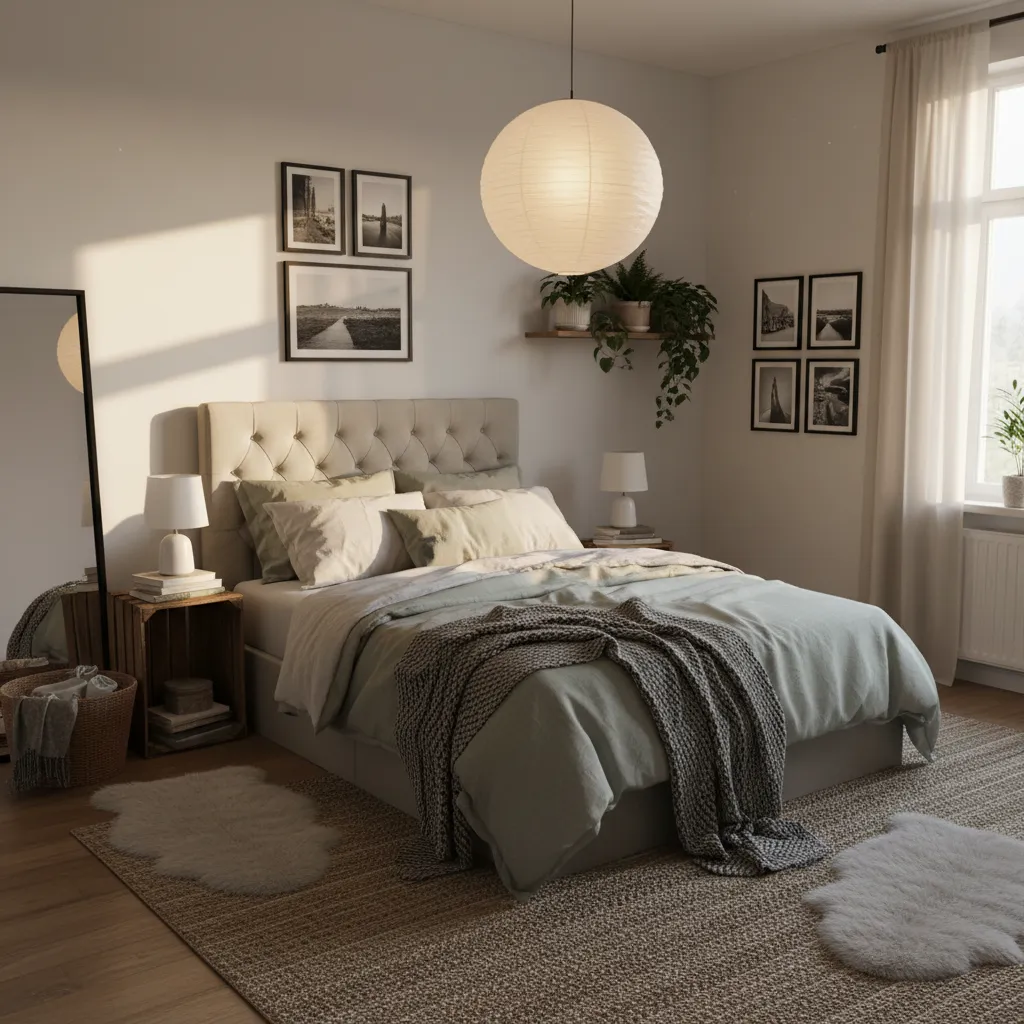
Lighting is the single most underestimated factor when thinking about how to decorate a bedroom on a budget. Swap a central overhead bulb for warm-toned (2700K–3000K) LED bulbs and add one or two plug-in sconces or a table lamp on each side of the bed. The room reads as intentionally designed regardless of what else is in it. Layered lighting creates depth, eliminating the flat look that characterizes budget rentals. In 2026, the trend leans heavily towards ambient glow rather than stark illumination. Designers recommend having at least three light sources in a bedroom to create a relaxing atmosphere conducive to sleep.
What this costs: Plug-in wall sconces run $15–$40 each on Amazon or at HomeGoods. Two warm-spectrum LED bulbs cost about $8 total. Total outlay: under $100. (source: U.S. Department of Energy home tips)
What to avoid: Cool white bulbs (5000K+) make every surface look flat and clinical. Avoid ceiling-only lighting, as it creates harsh shadows and kills the cozy factor that makes a bedroom feel luxe. Instead, aim for three points of light at different heights. (source: EPA indoor air quality)
Pro move: Add a dimmer switch. A standard plug-in dimmer costs $12 and lets you control the mood without any wiring. Interior designers charge $150+ for this advice alone, but it is easily DIY-friendly. Smart bulbs are another option, allowing you to change color temperature via an app for around $20 per bulb. This flexibility allows you to shift from energizing morning light to relaxing evening amber tones instantly, enhancing the perceived value of the space.
Is Painting an Accent Wall Worth the Cost?
A single painted accent wall behind the headboard is the highest-return project on this list. One quart of paint (enough for a standard wall) costs $15–$25. The room looks professionally styled, and the effect is immediate. This is a cornerstone tactic when you need to decorate a bedroom on a budget without structural changes. It anchors the bed and draws the eye to the focal point of the room, creating a custom built-in look without the construction costs. For renters, peel-and-stick wallpaper offers a similar effect with zero damage to drywall.
Deep, saturated colors, such as forest green, navy, terracotta, or charcoal, photograph dramatically and create the visual depth that makes a room feel curated rather than assembled. You do not need an expensive color. Hardware stores often have mis-tinted paint sections where premium brands are sold at 50% off. Ensure you prep the wall properly with a primer to avoid patchiness, which can ruin the luxe effect. A smooth finish suggests professional care, while a sloppy job highlights the budget constraints. Consider using a matte finish to hide imperfections and absorb light for a cozy vibe.
When selecting your color, consider the room’s natural light. North-facing rooms benefit from warmer tones to counteract the cool light, while south-facing rooms can handle cooler blues and greens. This attention to light direction is a hallmark of professional design that costs nothing but research time. Proper preparation ensures the paint adheres well and lasts, protecting your investment.
Related reading: Top 10 Brilliant 2026 Budget Bedroom Makeover Tricks
What Textiles Create a Luxe Feel?
Textiles are the tactile element of luxury. When learning how to decorate a bedroom on a budget, never skimp on bedding visibility. You do not need 1000-thread-count Egyptian cotton to achieve the look; you need structure and layering. Start with a crisp white duvet cover, then add a textured throw blanket at the foot of the bed. Incorporate Euro shams behind your standard sleeping pillows to add height and volume to the bed setup. This creates a hotel-like appearance that signals comfort and care.
Curtains are another critical textile element. Hang them high and wide. Mount the curtain rod 4-6 inches above the window frame and extend it 6 inches beyond the width of the window on each side. This makes the window appear larger and the ceilings higher. Choose heavy fabrics like velvet or linen blends that drape well, avoiding thin synthetics that look cheap when backlit. This simple adjustment costs under $40 but mimics custom architectural detailing. Ensure curtains touch the floor or puddle slightly for a dramatic, high-end effect.
Do not forget the floor. A well-placed area rug can define the sleeping zone and add warmth. Even if you have carpet, layering a smaller rug with a bold pattern or natural texture like jute can break up the monotony and add a designer touch. Look for sales on synthetic blends that mimic wool; they are durable, easy to clean, and budget-friendly. Proper care of these textiles ensures they remain plush and inviting for years.
How Do You Style Surfaces Like a Pro?
The final secret involves the styling of nightstands and dressers. Clutter is the enemy of luxury. Clear off surfaces and style them with intention using the rule of three. Group items in odd numbers, varying heights and textures. For example, place a lamp (height), a stack of books (medium), and a small candle or plant (low) on a nightstand. This creates visual rhythm without costing money. Remove unnecessary items like charging cables or random paperwork to maintain a serene environment.
Additionally, swap out generic hardware on dressers. Changing knobs and pulls to brass or matte black finishes can modernize an old piece of furniture instantly. This is a renter-friendly hack if you keep the original hardware to reinstall later. These small metallic accents catch the light and signal attention to detail, which is the hallmark of high-end design. Measure the hole spacing carefully before purchasing new hardware to ensure a perfect fit without drilling new holes.
Finally, incorporate organic greenery. A single large plant or a few small succulents add life and color. Plants improve air quality and reduce stress, contributing to the bedroom’s primary function as a place of rest. Faux plants have improved significantly in quality; if you lack a green thumb, high-quality silk plants can provide the same visual benefit without the maintenance. This final touch brings the room together, making it feel lived-in yet polished.
Frequently Asked Questions
Yes, by focusing on high-impact changes like lighting, paint, and textiles rather than large furniture purchases, you can transform the look of a room within this budget. Strategic allocation is key.
For a relaxing bedroom environment, choose warm white bulbs between 2700K and 3000K. This mimics sunset lighting and promotes better sleep hygiene compared to cool blue tones.
Yes, provided you use standard paint that can be painted over later. Many landlords allow painting as long as you return the walls to their original neutral color upon moving out. Peel-and-stick options are also viable.
Focus on hardware upgrades, proper styling with decor objects, and ensuring the piece is clean and free of scratches. Placement away from walls can also add depth and dimension to the room.
Prioritize lighting first. Changing bulbs to warm LEDs and adding a single plug-in lamp provides the highest visual return for the lowest cost, instantly changing the room’s mood.
In conclusion, transforming your space does not require a massive renovation loan. By understanding how to decorate a bedroom on a budget through strategic lighting, thoughtful textiles, and intentional styling, you can create a sanctuary that feels both luxurious and personal. The 2026 design landscape favors mindfulness over excess, making this the perfect time to invest in quality details rather than quantity of items. Start with the lighting, add color to your walls, and layer your textures to see immediate results. Your dream bedroom is achievable without financial stress.
Get the 4casahome digest
Honest reviews and no-hype guides — straight to your inbox. No spam, unsubscribe anytime.
Some links in our articles are affiliate links. See our full Affiliate Disclosure for details.
Related Articles

Written and tested by our editorial team
4CasaHome Editorial Team
Interior Design & Smart Home Experts
All product reviews are based on hands-on testing in real home environments. Smart home content is verified by our CEDIA-certified integrator. Meet our team.