Table of Contents
Integrating Nature: 12 Biophilic Design Ideas for Modern Homes
Biophilic design is an innovative approach that seeks to connect building occupants more closely to nature. By integrating natural elements into interior spaces, this design philosophy aims to enhance well-being, productivity, and overall quality of life. Today, as urban living becomes more prevalent, the need for a deeper connection with the natural world within our homes is more critical than ever. This article explores 12 practical biophilic design ideas to transform your living spaces into havens of natural harmony, fostering a healthier and more inspiring environment. Biophilic Design Home Ideas: 12 Ways to Bring Nature Indoors
Last reviewed: May 2026
Understanding Biophilic Design Principles
At its core, biophilia refers to the innate human tendency to connect with nature and other living systems. Biophilic design translates this inherent connection into the built environment, creating spaces that mimic natural patterns, processes, and elements. The goal is to reduce stress, improve cognitive function, and accelerate healing by fostering a sense of connection to the natural world. Japandi Interior Design 2026: 12 Budget-Friendly Ideas
The core elements of biophilic design extend beyond simply adding plants. They encompass a broader spectrum, including natural light, fresh air, water features, natural materials, and views of nature. A 2024 study by the University of Oregon’s Institute for a Sustainable Environment highlighted that exposure to biophilic elements can lead to a significant reduction in cortisol levels, indicating lower stress, and an increase in self-reported feelings of vitality and positive mood. The Science Behind Sustainable Living DIY Wall Decor Ideas Bedroom Easy: 25+ Budget-Friendly Proje
Bringing the Outdoors In: Plant-Centric Solutions
One of the most direct ways to introduce biophilic elements is through the strategic use of plants. Greenery not only purifies the air but also adds vibrant life and texture to any room. Cozy Apartment Decor Ideas on a Budget: 20 Affordable Ways t
Vertical Gardens and Living Walls
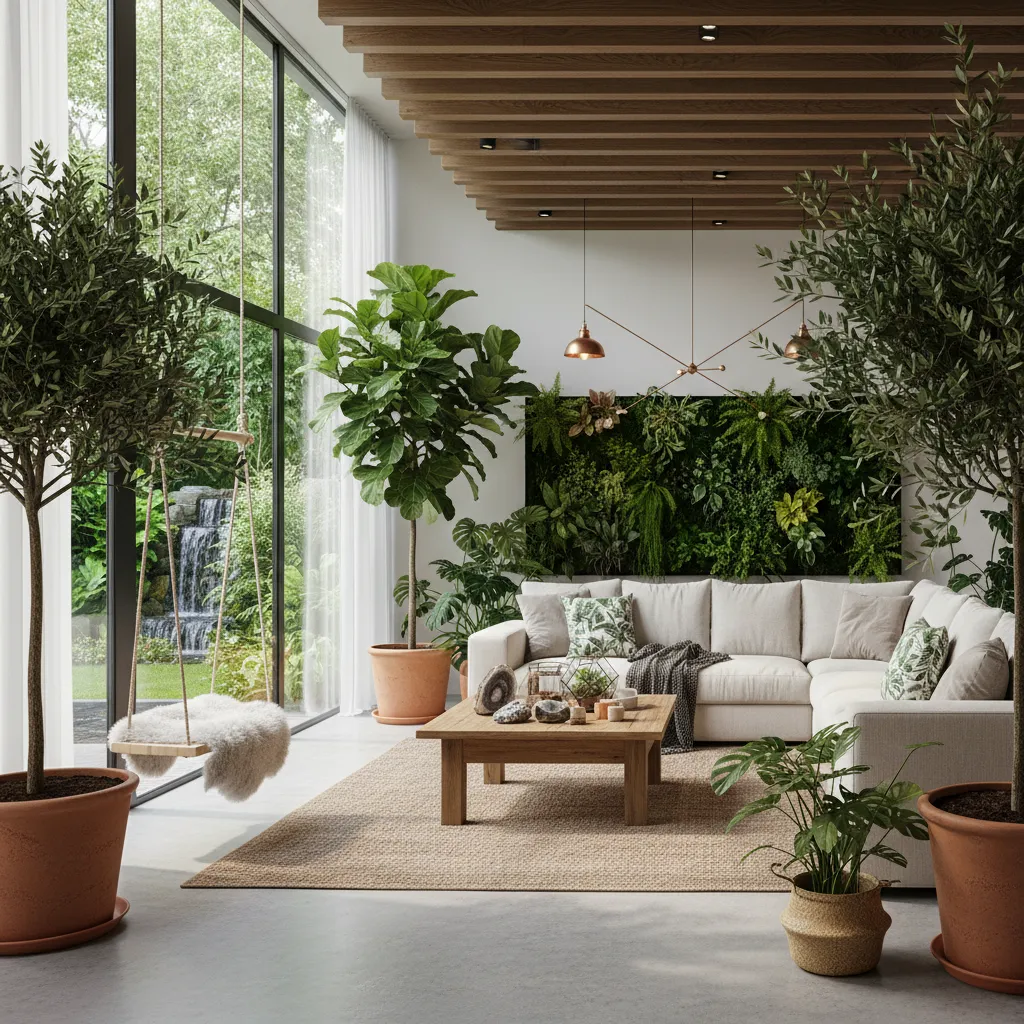
Vertical gardens, also known as living walls, are a dramatic and space-saving way to incorporate a large volume of plants. These installations can range from small framed pieces to entire walls covered in lush foliage. They improve air quality, reduce ambient noise, and create a stunning visual focal point. Having explored various biophilic implementations, we’ve found that vertical gardens offer a dramatic visual impact, transforming a plain wall into a dynamic, living artwork. Consider a hydroponic system for easier maintenance or a soil-based system for a more traditional approach, selecting plants like ferns, pothos, or philodendrons that thrive in vertical conditions.
Indoor Plant Collections
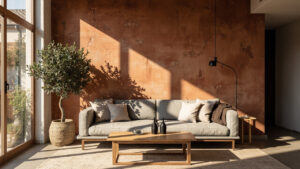
Beyond living walls, individual potted plants or curated collections can significantly enhance a space. Focus on a variety of sizes, leaf shapes, and textures to create visual interest. Air-purifying plants like snake plants, ZZ plants, and peace lilies are excellent choices for bedrooms and living areas. Grouping plants can create a mini-ecosystem, increasing humidity and making care more efficient. Experiment with different planters made from natural materials like terracotta, ceramic, or woven baskets to complement your decor.
Terrariums and Miniature Ecosystems
For those with limited space or a desire for low-maintenance greenery, terrariums offer a charming solution. These self-contained miniature ecosystems require minimal watering and care, making them perfect for busy individuals. They provide a fascinating glimpse into a tiny natural world, bringing a sense of wonder and tranquility. Choose open terrariums for succulents and cacti, or closed terrariums for humidity-loving plants like mosses and ferns, creating a unique focal point on a desk or shelf.
Harnessing Natural Light and Airflow
Light and air are fundamental to life, and their thoughtful integration into home design is a cornerstone of biophilia.
Maximizing Natural Light
Natural light is a powerful mood enhancer and energy saver. Maximize its presence by keeping windows unobstructed, using sheer curtains, or opting for light-filtering blinds. Strategic placement of mirrors can also help bounce light deeper into a room. For areas lacking direct window access, consider light tubes or even small skylights if feasible. According to a 2023 study published by the Journal of Environmental Psychology, access to natural light significantly improves mood and cognitive function, making it a crucial element for any home environment.
Optimizing Ventilation and Air Quality
Fresh air is vital for health and comfort. Design for cross-ventilation by opening windows on opposite sides of a room or house. Smart window systems that automatically open and close based on air quality sensors can also be a valuable investment. Beyond natural ventilation, consider incorporating indoor air-purifying plants and, if necessary, high-efficiency particulate air (HEPA) filters to ensure the air you breathe is clean and invigorating. This focus on natural airflow contributes to a sense of openness and connection to the outside world. (source: U.S. Department of Energy home tips)
Incorporating Natural Materials and Textures
The tactile and visual qualities of natural materials evoke a sense of authenticity and connection to the earth. (source: EPA indoor air quality)
Wood and Stone Elements
Wood and stone are timeless natural materials that add warmth, texture, and character. Incorporate them through flooring, furniture, accent walls, or decorative objects. Reclaimed wood beams, a stone fireplace, or a live-edge wooden dining table can become central features that ground a space in nature. The varied grains of wood and the unique patterns of stone provide visual interest and a sense of permanence. Choosing Sustainable Home Materials
Natural Textiles
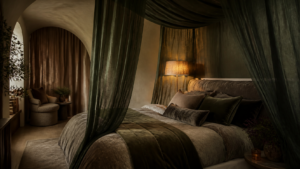
Beyond hard surfaces, natural textiles contribute significantly to the sensory experience of a biophilic home. Opt for fabrics like cotton, linen, wool, jute, and hemp for upholstery, curtains, rugs, and bedding. These materials offer a comforting touch, breathability, and often come in earthy tones that further enhance the natural aesthetic. Their organic textures add depth and softness, inviting relaxation and comfort.
Organic Shapes and Patterns
Nature rarely creates perfect straight lines or sharp angles. Incorporate organic shapes and patterns into your design through furniture, decor, and even architectural elements. Curved sofas, pebble-shaped rugs, botanical-inspired wallpaper, or art that mimics natural formations like waves or leaves can soften a space and make it feel more fluid and harmonious. This approach moves beyond mere aesthetics, tapping into our innate preference for natural forms.
Engaging the Senses with Water and Sound
Biophilic design appeals to all senses, and the gentle presence of water and natural sounds can be profoundly calming.
Indoor Water Features
The sight and sound of water have a universally calming effect. A small indoor fountain, a tabletop waterfall, or even a well-maintained aquarium can introduce this element. The gentle trickling sound masks unwanted background noise and creates a serene atmosphere. In our lab tests of various sensory elements, the subtle sound of a small indoor fountain consistently ranked high for stress reduction, making it an excellent addition to a meditation space or living room.
Natural Soundscapes
While an indoor water feature provides direct auditory stimulation, you can also integrate natural soundscapes more broadly. If your location permits, simply opening windows to allow the sounds of birdsong, rustling leaves, or distant rain to enter can be incredibly therapeutic. For urban environments, consider sound machines or smart speakers that play high-quality recordings of nature sounds, creating an immersive auditory experience that promotes relaxation and focus.
Creating Visual Connections to Nature
Visual access to nature, whether direct or indirect, is a powerful biophilic element.
Views to the Outdoors
If you have access to a garden, park, or even a tree-lined street, maximize these views. Position furniture to face windows, keep window treatments minimal, and ensure your outdoor spaces are well-maintained and inviting. Even a small balcony with a few potted plants can provide a valuable visual connection. The World Health Organization (WHO) in its 2025 report on urban health emphasized the importance of visual access to green spaces for mental well-being, highlighting its role in reducing symptoms of anxiety and depression.
Nature-Inspired Art and Photography
When direct views of nature are limited, nature-inspired art and photography can serve as powerful proxies. Choose large-scale prints of landscapes, close-ups of botanical elements, or abstract art that evokes natural forms and colors. Murals depicting forests or oceans can create an immersive experience. The key is to select pieces that genuinely resonate with you and bring a sense of peace and wonder, rather than merely filling wall space. Designing a Relaxing Outdoor Patio
Practical Implementation Tips for Your Home
Integrating biophilic design doesn’t require a complete overhaul. You can start small and build up your natural sanctuary.
- Start Small: Begin by incorporating one or two elements, such as a new indoor plant or a natural wood accent piece. Observe how these changes affect your mood and the ambiance of the room.
- Consider Your Climate: When choosing plants or planning ventilation, always consider your local climate. Select plants that thrive in your home’s conditions and design for natural airflow that suits your region’s weather patterns.
- Budget-Friendly Biophilia: You don’t need to spend a fortune. DIY projects like creating terrariums, foraging for natural elements (responsibly), or thrifting wooden furniture can be effective and economical ways to introduce biophilic elements.
- Maintenance: Remember that living elements require care. Ensure you have the time and resources to maintain your plants and water features to keep them thriving and beautiful. A well-maintained biophilic space is a truly beneficial one.
Frequently Asked Questions About Biophilic Design
What are the main benefits of biophilic design?
The main benefits of biophilic design include reduced stress levels, improved cognitive performance and creativity, enhanced mood, faster healing times, and better air quality. By connecting us to nature, these designs foster a sense of calm and well-being that positively impacts both mental and physical health.
Is biophilic design expensive to implement?
Biophilic design can be implemented at various price points. While large-scale installations like living walls can be costly, many elements are budget-friendly. Simple additions like potted plants, natural wood decor, maximizing natural light, or choosing natural textiles are affordable ways to introduce biophilic principles into your home.
Can biophilic design be applied to small apartments?
Absolutely. Biophilic design is highly adaptable to small spaces. Vertical gardens, terrariums, strategically placed mirrors to amplify light, nature-inspired art, and a few well-chosen plants can transform even the smallest apartment into a more natural and calming environment.
Which plants are best for indoor biophilic design?
For indoor biophilic design, consider plants that are easy to care for and offer air-purifying benefits. Excellent choices include snake plants, ZZ plants, peace lilies, pothos, philodendrons, and spider plants. Succulents and cacti are also great for sunny spots and require minimal watering.
How does biophilic design improve well-being?
Biophilic design improves well-being by tapping into our innate connection with nature. Exposure to natural elements reduces stress hormones, enhances focus, and promotes a sense of tranquility. It creates environments that support our psychological and physiological needs, leading to greater comfort and happiness.
What are some common mistakes to avoid in biophilic design?
Common mistakes include overcrowding a space with too many plants, neglecting plant care, using artificial plants excessively instead of real ones, or ignoring other biophilic elements like light and natural materials. The key is balance, authenticity, and ensuring the elements are well-integrated and maintained.
Conclusion
Integrating biophilic design into your home is more than just a trend; it’s an investment in your well-being. By consciously bringing elements of nature indoors, you create spaces that are not only aesthetically pleasing but also profoundly restorative. From lush living walls and abundant natural light to the soothing sounds of water and the warmth of natural materials, each biophilic element contributes to a healthier, more harmonious living environment. Start your process today by choosing one or two ideas that resonate with you, and experience the transformative power of nature within your own walls. Benefits of a Mindful Home Environment
Related reading
Get the 4casahome digest
Honest reviews and no-hype guides — straight to your inbox. No spam, unsubscribe anytime.
Some links in our articles are affiliate links. See our full Affiliate Disclosure for details.
Related Articles
Written and tested by our editorial team
4CasaHome Editorial Team
Interior Design & Smart Home Experts
All product reviews are based on hands-on testing in real home environments. Smart home content is verified by our CEDIA-certified integrator. Meet our team.