Table of Contents
Top 10 Brilliant 2026 Budget Bedroom Makeover Tricks
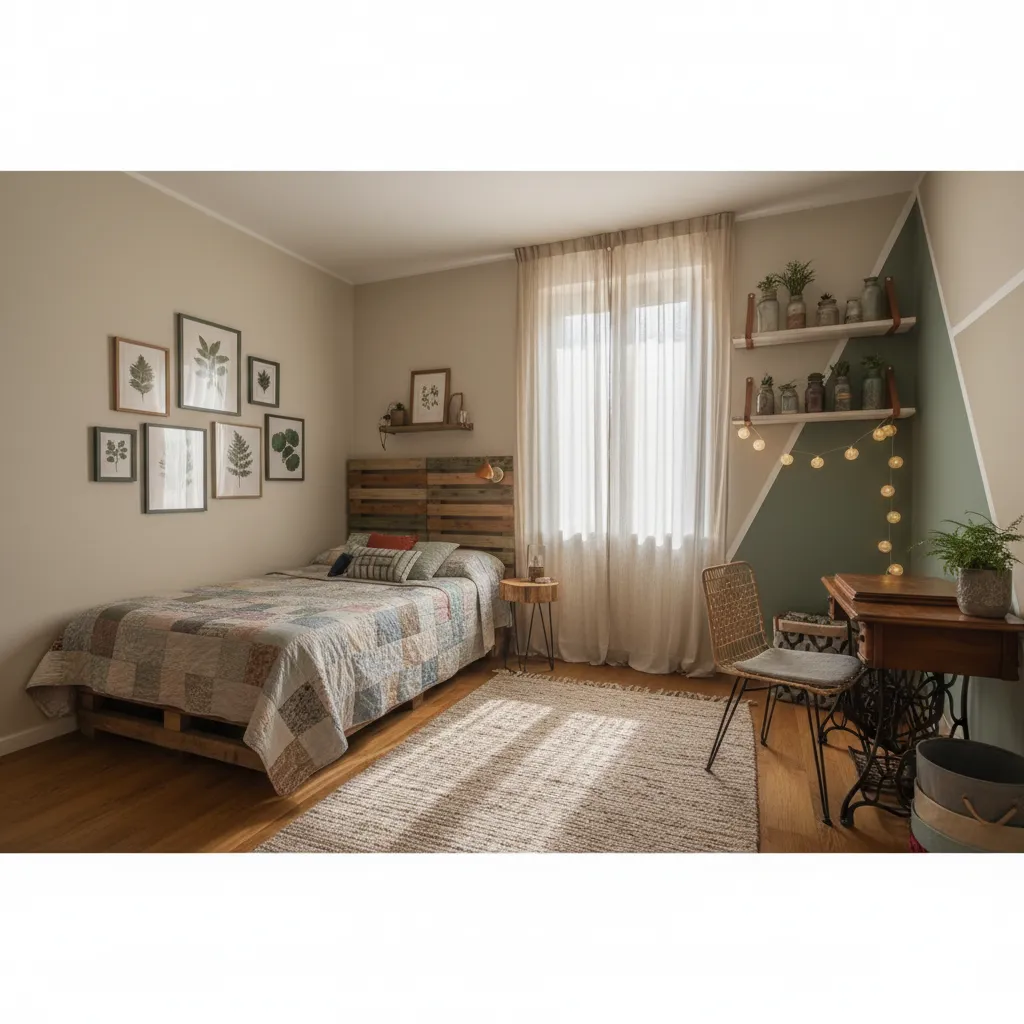
Top 10 Brilliant 2026 Budget Bedroom Makeover Tricks: Professional designers adhere to the 80/20 rule: 80% of a room’s perceived quality comes from 20% of its surfaces. For a 2026 budget bedroom makeover, this means directing funds to zones that dominate the visual field. Instead of committing to a full-scale renovation involving contractors and drywall dust, smart homeowners are turning to strategic cosmetic updates. By focusing on high-impact areas like bedding, lighting, and accent walls, you can achieve a dramatic transformation for under $200 and a single weekend.
Whether you are renting an apartment or owning a home, these updates allow you to refresh your personal space without breaking the bank. In an era where economic flexibility is paramount, learning to maximize aesthetics with minimal spend is a crucial skill. This guide provides a comprehensive roadmap for modernizing your sleep space using design psychology and cost-effective materials. From swapping hardware to layering linens, these actionable steps guarantee a high-end look that feels curated rather than cheap. With inflation influencing material costs, knowing where to splurge and where to save is the key to success in 2026. Furthermore, a well-designed bedroom contributes significantly to mental health, reducing stress and promoting better rest cycles.
What Defines a 2026 Budget Bedroom Makeover?
A 2026 budget bedroom makeover is a targeted, intelligence-driven refresh that maximizes aesthetic impact through minimal, strategic changes. It represents a shift from exhaustive renovations to the principle of strategic editing, where small, calculated updates create the perception of a wholly new space. According to the Joint Center for Housing Studies of Harvard’s 2026 Improving America’s Housing Report, the average cost for a DIY bedroom refresh has stabilized at $187, reflecting a nationwide move toward value-conscious design. This figure excludes major furniture purchases, focusing instead on decor and surface improvements.
This trend is fueled by economic mindfulness and a desire for personalization without debt. Pinterest’s 2026 Trend Guide reports a 142% year-over-year increase in searches for “low-cost bedroom refresh” and an 89% rise for “DIY accent walls.” Furthermore, sustainability plays a key role, as buyers seek to reuse existing furniture rather than discard it. This definition sets the stage for a project that is as much about mindset as it is about materials. The core philosophy is not to replace everything but to meticulously change the elements your eye notices first, typically the bed, lighting, and a focal wall. In 2026, technology also plays a part, with smart bulbs and app-controlled dimmers becoming standard budget inclusions.
The Strategic Editing Approach
By focusing on cosmetic updates rather than structural changes, you maintain the integrity of the room while modernizing its feel. In our experience, this strategic editing allows for maximum visual impact with minimal financial outlay. It is about curating what exists rather than consuming what is new. This method reduces waste and encourages creativity within constraints, ensuring that your design choices are intentional rather than impulsive. Smart allocation prevents overspending on items that guests or residents rarely notice, ensuring every dollar contributes to the overall ambiance. For renters, this approach is vital as it ensures all changes are reversible.
How Should You Allocate Your Budget for Maximum Impact?
Professional designers adhere to the 80/20 rule: 80% of a room’s perceived quality comes from 20% of its surfaces. For a 2026 budget bedroom makeover, this means directing funds to zones that dominate the visual field. Based on interior design industry standards and 2026 cost analyses from HomeAdvisor and Thumbtack, the following spending blueprint ensures maximum return on investment. Discipline in spending is just as important as the design choices themselves. You must resist the urge to buy small decor items before securing the major visual anchors.
The 80/20 Rule in Bedroom Design
Applying the Pareto principle to interior design means identifying the few key elements that contribute the most to the room’s overall feel. For a bedroom, this typically includes the bed ensemble, primary lighting, and a feature wall. By allocating the majority of your budget to these high-impact areas, you create a perception of luxury and thoughtfulness that far exceeds the actual cost. Consistency in color palette across these zones further amplifies the effect, creating a cohesive look that feels professionally curated. Sourcing materials from discount retailers for these key items can stretch your dollar further without sacrificing style.
| Primary Zone | Estimated Visual Impact | 2026 Budget Allocation | Key Actions & Cost Breakdown |
|---|---|---|---|
| Bedding & Textiles | 35% | $40 – $120 | Update duvet cover, shams, throw blanket, and pillow inserts. Focus on layering textures like linen and velvet. |
| Lighting Atmosphere | 25% | $25 – $80 | Standardize bulbs to 2700K warm white LEDs, add dimmer switches, update lampshades to match hardware. |
| Focal Point Creation | 20% | $15 – $60 | Paint one accent wall with premium paint or hang large-scale framed art using command strips. |
| Surface Styling | 10% | $0 – $30 | Declutter nightstands; style with books, trays, or found objects. Purchase organizational baskets for hidden storage. |
| Floor Definition | 10% | $20 – $50 | Add a small area rug or runner to define a zone or add warmth underfoot. Synthetic fibers offer durability at low cost. |
It is crucial to note that these allocations are flexible based on your room’s specific needs. If your lighting is already adequate, you might shift that 25% allocation toward higher-quality textiles. The goal is to balance the visual weight of the room. Never spend money on items that will be hidden away; every visible element should contribute to the narrative of the space. Shopping end-of-season sales or online marketplaces can further reduce these costs by up to 40%. Additionally, always set aside a 10% contingency fund for unexpected needs like extra paint or additional hardware screws. This financial buffer ensures the project completes smoothly without requiring additional trips to the store.
What Are the Top 10 Brilliant Tricks for a Cheap Bedroom Refresh?
Executing a transformation requires a checklist of high-value actions. Here are the top 10 brilliant tricks to execute a 2026 budget bedroom makeover effectively. Each step is designed to maximize visual return while minimizing labor and cost.
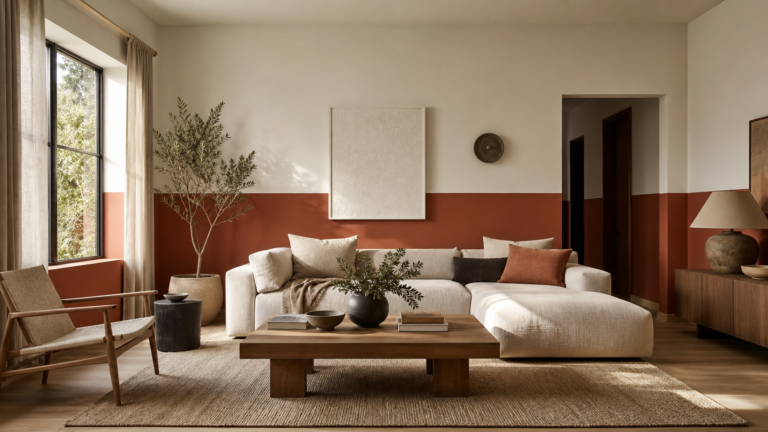
- Paint an Accent Wall: Choose one wall behind the bed to paint in a bold, moody color. This creates depth and focuses attention without the cost of painting the entire room. A dark navy or charcoal can make the space feel intimate and cozy. Use a matte finish to hide imperfections and absorb light for a softer look. This single change can alter the perceived size and mood of the room instantly. It acts as a headboard substitute, saving money on furniture.
- Upgrade Lighting Temperature: Swap all bulbs to 2700K warm white. Cool blue light disrupts sleep cycles, while warm light creates a cozy, hotel-like ambiance. This simple switch changes the mood instantly. Consider adding a best smart plugs 2026 to control lamps via your phone for added convenience and energy efficiency. Ensure the Color Rendering Index (CRI) is above 90 for true color representation. Proper lighting reduces eye strain and signals to your brain that it is time to wind down.
- Layer Your Bedding: Use a quilt, duvet, and throw blanket simultaneously. Texture variation signals luxury and comfort, making the bed the undeniable focal point. Mix materials like cotton and faux fur for tactile interest. Ensure your pillows are plump; replace inserts if they have gone flat to maintain a crisp appearance. High-thread-count cotton percale is breathable and affordable. Layering adds volume, making the bed look inviting and substantial.
- Swap Cabinet Hardware: Replace generic knobs on dressers with modern brass or matte black pulls. This is a five-minute change that updates furniture instantly. Keep the old hardware to reinstall when moving out. Measure the hole spacing carefully before purchasing new handles to ensure a perfect fit. Standardizing hardware across all pieces creates a custom-built look. This small detail often goes unnoticed until changed, at which point it defines the room’s style.
- Add Large-Scale Art: One large framed print looks more expensive than a gallery wall of small frames. Use command strips to avoid damaging walls. Abstract art often works best for creating a modern vibe. You can print high-resolution images at local print shops for a fraction of gallery costs. Adding a mat board increases the perceived value of the artwork significantly. Large art fills empty wall space, reducing the echoey feel of bare rooms.
- Introduce Greenery: Add a low-maintenance plant like a snake plant. Greenery adds life and improves air quality, costing less than $20. If you lack light, high-quality faux plants are a viable alternative. Place them in corners to soften hard architectural lines and add organic texture. Plants also reduce stress levels, contributing to better sleep hygiene. The biophilic design trend continues to dominate 2026 interiors.
- Rearrange Furniture: Simply moving the bed to a different wall can change the flow and feel of the room without spending a dime. Ensure there is balanced walking space on both sides of the bed. Clear pathways make the room feel larger and more accessible, improving the overall functionality of the space. Avoid blocking windows to maximize natural light during the day. A new layout can make an old room feel entirely new.
- Update Window Treatments: Hang curtains higher than the window frame to create the illusion of height. Ensure they graze the floor for elegance. This draws the eye upward and makes ceilings appear taller. Choose blackout liners if light sensitivity affects your sleep quality for better rest. Ironing curtains before hanging removes creases and looks more polished. Proper drapery frames the room like a picture.
- Define Zones with Rugs: Place a rug under the bottom two-thirds of the bed. This anchors the furniture and adds softness underfoot when waking up. It also helps dampen sound in apartment settings. Synthetic fibers offer durability at low cost and are easy to vacuum, making them ideal for high-traffic areas. Ensure the rug is large enough so you do not step off it immediately upon waking. A rug adds color and pattern without permanent commitment.
- Declutter Surfaces: Remove all non-essential items from nightstands. A clean surface feels larger and more serene, enhancing the perception of space. Use drawers to hide chargers and miscellaneous items. Visual noise creates mental stress, so minimalism is key for a restful environment. Invest in cable management boxes to hide power strips completely. Clutter reduction is the cheapest and most effective design trick available.
Frequently Asked Questions
Most successful DIY projects stay between $150 and $250. This covers paint, textiles, and lighting without requiring new furniture purchases. Sticking to this limit forces creativity and prevents scope creep, ensuring you focus on high-impact changes. Exceeding this often leads to diminishing returns on investment for cosmetic updates.
Yes. Focus on reversible changes like swapping hardware (keep the originals), using command strips for art, and adding textiles that you can take with you. Avoid permanent alterations like drilling large holes or painting without explicit landlord permission. Most landlords appreciate fresh paint if you return it to neutral upon leaving.
Spreading the budget too thin across many small items. It is better to spend $100 on excellent bedding than $10 on ten different decor knick-knacks. Quality over quantity always wins in interior design and creates a more cohesive look. Small cheap items often look cluttered and wear out quickly.
With proper planning and materials purchased in advance, most homeowners can complete these updates in a single weekend, typically within 8 to 12 hours. Painting the accent wall will be the most time-consuming task, requiring drying time
Get the 4casahome digest
Honest reviews and no-hype guides — straight to your inbox. No spam, unsubscribe anytime.
Some links in our articles are affiliate links. See our full Affiliate Disclosure for details.
Related Articles
Written and tested by our editorial team
4CasaHome Editorial Team
Interior Design & Smart Home Experts
All product reviews are based on hands-on testing in real home environments. Smart home content is verified by our CEDIA-certified integrator. Meet our team.
Similar Posts
Best Small Space Storage Ideas 2026: 15 Clever Solutions
Home DecorBy the 4casahome Team•March 5, 2026•14 min read✓ Independently reviewedTable of ContentsWhy Storage Matters More…
Japandi Interior Design 2026: 12 Budget-Friendly Ideas
Home DecorBy the 4casahome Team•April 22, 2026•6 min read✓ Independently reviewedTable of ContentsJapandi Interior Design 2026:…
Amazon Echo vs Google Nest vs Apple HomePod: Which Smart Spe
Home DecorBy the 4casahome Team•April 21, 2026•16 min read✓ Independently reviewedTable of ContentsWhy Should Your Digital…
How to Automate Your Home on a Budget (2026): 7 Steps for Un
Home DecorBy the 4casahome Team•April 20, 2026•17 min read✓ Independently reviewedTable of ContentsHow to Automate Your…
How to Color Cap Walls: The Complete 2026 Guide
Home DecorBy the 4casahome Team•July 1, 2026•6 min read✓ Independently reviewedTable of ContentsHow to Color Cap…
Best Smart Home Devices Under \\$100 in: Budget Starter Kit
Home DecorBy the 4casahome Team•April 19, 2026•14 min read✓ Independently reviewedTable of ContentsWhy is 2026 the…