Table of Contents
Biophilic Design Home Ideas: 12 Ways to Bring Nature Indoors
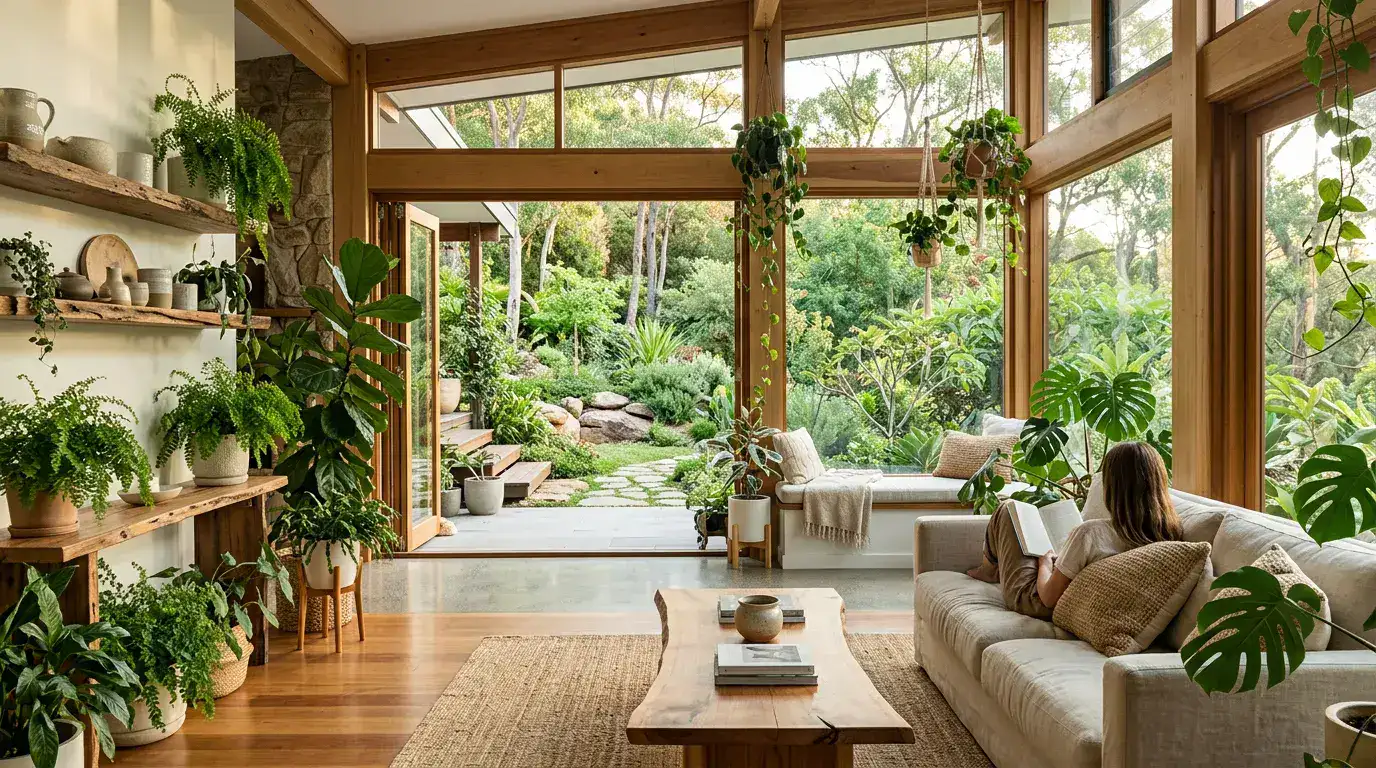
Biophilic design home ideas aren’t merely a passing interior design trend; they are a physiological necessity. Humans spent 99.9% of their evolutionary history outdoors, immersed in complex ecosystems of plants, water, stone, and natural light. When we move that sensory experience inside our homes, the results go far beyond aesthetics. Research indicates that integrating nature into built environments cuts stress hormones like cortisol by up to 15%, sharpens cognitive focus, and significantly improves sleep quality. This guide provides 12 specific, actionable biophilic design home ideas you can apply in 2026, whether you’re working with a compact studio apartment or a sprawling five-bedroom house. For more inspiration on maximizing your space, check out these Home Office Setup Ideas for Small Space 2026.
What Is Biophilic Design and Why Does It Work?
Biophilic design is the deliberate practice of connecting built environments to nature through the use of materials, light, vegetation, water features, and organic forms. The concept was popularized by biologist E.O. Wilson, who argued in his seminal 1984 book Biophilia that humans possess an innate, genetically determined bond with other living systems. This “biophilic instinct” suggests that our physical and mental health is inextricably linked to our connection with the natural world.
The impact of this design philosophy on human health is measurable and significant. A comprehensive 2015 Human Spaces study, which surveyed 7,600 office workers across 16 countries, found that individuals working in spaces with natural elements reported a 15% higher sense of well-being and demonstrated 6% higher productivity. While this data originated in commercial settings, the psychological mechanisms, specifically the reduction of cognitive fatigue, are identical in residential environments. If you are looking to optimize a small rental, you might also find value in these Cozy Apartment Decor Ideas on a Budget.
Furthermore, a 2019 meta-analysis published in Environmental Research by Twohig-Bennett & Jones, covering 143 separate studies, confirmed that exposure to natural environments is associated with reduced cortisol levels, lower blood pressure, and improved mental health outcomes. Biophilic design operates on three core pillars:
- Direct contact with nature: This includes actual plants, water features, natural light, and airflow.
- Indirect experience of nature: This involves natural materials (wood, stone), colors, textures, and imagery that evoke the natural world.
- Space and place conditions: This refers to spatial configurations that mimic nature, such as “prospect and refuge” (open views combined with safe, enclosed spaces) and sensory variability.
The 12 biophilic design home ideas below cover all three pillars, prioritizing high-impact changes that offer the greatest return on investment for your well-being.
What Are the Top 12 Biophilic Design Home Ideas for 2026?
1. Build a Living Plant Wall
A living plant wall, often called a vertical garden, is arguably the single highest-impact biophilic intervention available. A standard 2.4m × 1.2m panel filled with pothos, ferns, and philodendrons converts a flat, sterile wall into a breathing ecosystem. This not only improves air quality but introduces dynamic movement as leaves shift with air currents. Vertical gardens can increase indoor humidity by 5-10%, which is beneficial for respiratory health.
How to start: The most accessible method utilizes modular pocket panels made of felt or recycled plastic, mounted on a waterproof backing board. Fill the pockets with a lightweight, moisture-retentive potting mix and install a simple drip irrigation timer to automate care. A DIY installation covering 4 square meters typically costs between $150 and $400 in materials. Ensure your wall can support the weight, which can reach 20kg per square meter when wet.
Best plants: Select species that tolerate indoor humidity fluctuations, such as Pothos (Epipremnum aureum), heartleaf philodendron, spider plants, and Boston ferns.
2. Maximize Every Source of Natural Light
Natural light is frequently the most underutilized resource in home design. Daylight regulates the circadian rhythm, reduces eye strain, and triggers serotonin production. A 2017 study by Northwestern University Medicine found that workers in daylit offices slept an average of 46 minutes more per night than those in windowless spaces. Aim for a minimum of 300 lux in living areas to maintain alertness.
Practical moves to capture daylight:
- Replace heavy, light-blocking drapes with sheer linen panels that diffuse light without blocking it.
- Install solar tubes in dark hallways or bathrooms where traditional skylights are structurally difficult.
- Position large, frameless mirrors on walls perpendicular to windows to bounce light deeper into the room’s core.
- Clear window sills completely; decorative objects on the sill can obstruct incoming daylight by 20–35%.
If structural changes aren’t possible, invest in full-spectrum LED panels that mimic daylight’s color temperature shift, moving from 2700K (warm morning light) to 5000K (cool midday light).
3. Add an Indoor Water Feature
The sound of moving water triggers the parasympathetic nervous system, the “rest and digest” response that counteracts stress. A small tabletop fountain running at a low volume (30–40 dB) effectively masks urban noise frequencies and lowers perceived stress levels. Additionally, evaporating water helps maintain optimal indoor humidity levels between 40-60%.
Options by budget:
| Budget | Type | Best Location |
|---|---|---|
| $30–$80 | Tabletop resin or ceramic fountain | Desk, nightstand |
| $150–$400 | Wall-mounted slate or copper panel | Living room focal point |
| $500+ | Custom stone or concrete floor feature | Entryway, hallway |
Maintenance involves topping up the reservoir monthly and cleaning the pump every six months to prevent mineral buildup and bacterial growth.
4. Choose Natural Materials: Wood, Stone, and Bamboo
Synthetic surfaces like laminates and PVC activate no biophilic response. In contrast, natural materials possess grain, texture, and thermal properties that our nervous systems recognize as environmental cues. Wood is the most versatile option, performing well in flooring, furniture, and wall cladding. Reclaimed wood is particularly effective because its varied grain and knots create the visual complexity our brains associate with healthy natural systems.
Stone works best in kitchens and bathrooms; quartzite and slate offer durability superior to marble. Bamboo, a fast-renewing grass, provides wood-like aesthetics with a smaller environmental footprint, making it ideal for flooring and furniture in high-humidity areas. Look for FSC-certified wood to ensure sustainability.
5. Build a Nature-Inspired Earthy Color Palette
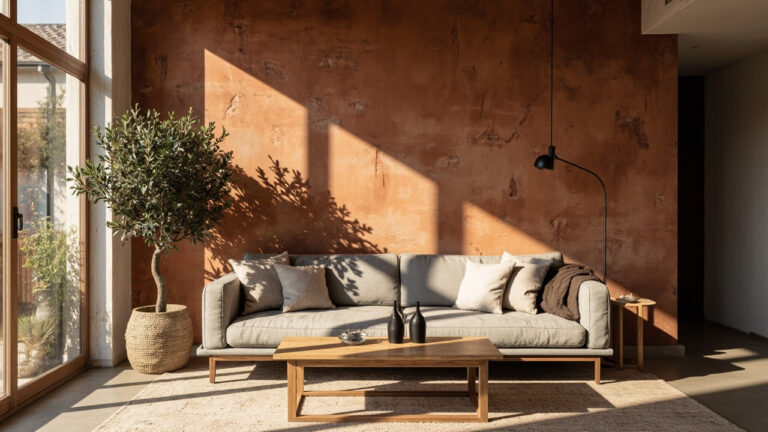
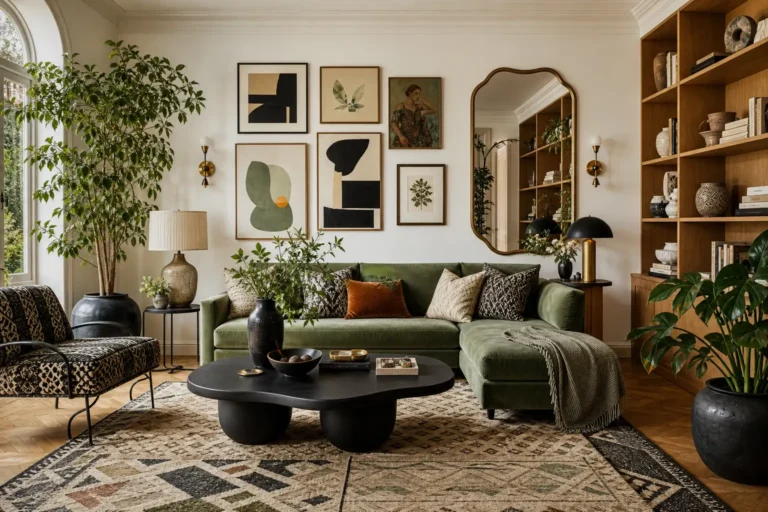
Color is one of the fastest and most cost-effective biophilic tools. Nature’s palette avoids sterile pure whites and synthetic brights, favoring warm ochres, terracotta, sage greens, bark browns, and stone grays. These colors reduce visual stress and create a grounding effect.
A reliable formula for a single room:
- 60% Dominant Neutral: Warm white, sand, pale clay, or stone.
- 30% Mid-tone: Olive, sage, warm gray, or straw.
- 10% Accent: Terracotta, ochre, rust, or deep forest green.
Avoid cool-toned whites with blue undertones, as they read as clinical. Strong starting paint choices include Benjamin Moore “Pale Oak” (OC-20) or Farrow & Ball “Mole’s Breath” (276).
6. Use Botanical Prints and Nature-Inspired Art
Not everyone can maintain living plants in every room. Botanical prints and nature photography activate the “indirect experience” pillar of biophilic design. The key is scale and realism; a small print does little, but a large-format (80×100cm+) high-resolution photograph of a forest or ocean changes the perceived depth of a room. Place art at eye level on the wall you face most often while seated to maximize the psychological benefit.
7. Apply Strategic Houseplant Placement
A single plant registers as decor; eight plants create an environment. Aim for the 10% visual field rule: plants should cover roughly 10% of your visual field from your primary seating position. In a typical 4m × 4m living room, this translates to 5–8 medium plants. Grouping plants together creates a microclimate that enhances humidity and air purification.
Top low-maintenance choices: Snake plants (convert CO₂ to O₂ at night), Peace lilies (remove ammonia), and Spider plants (filter carbon monoxide). Place tall plants in corners to soften right angles, making the space feel more organic.
8. Layer Natural Textures: Linen, Jute, Wool, and Rattan
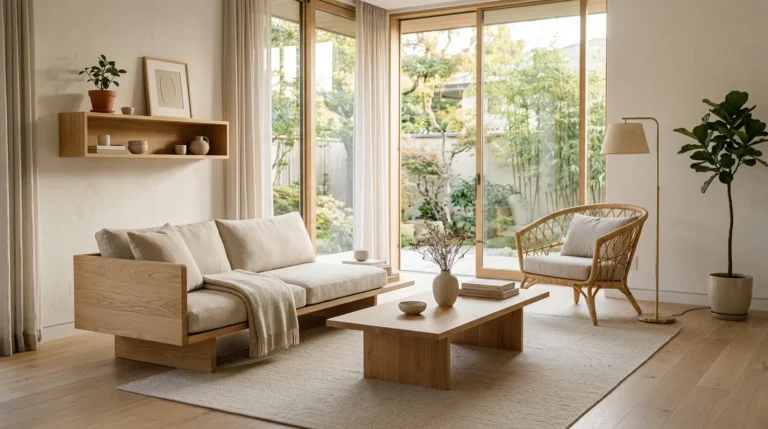
Touch is a sensory channel often ignored in visual design. Natural textiles activate the same nature-recognition system as plants. Replace polyester throws with linen or wool, swap synthetic carpets for jute or sisal rugs, and use rattan baskets for visible storage. Layering these textures creates a coherent, tactile environment that feels grounded and warm.
9. Frame Views of the Outdoors
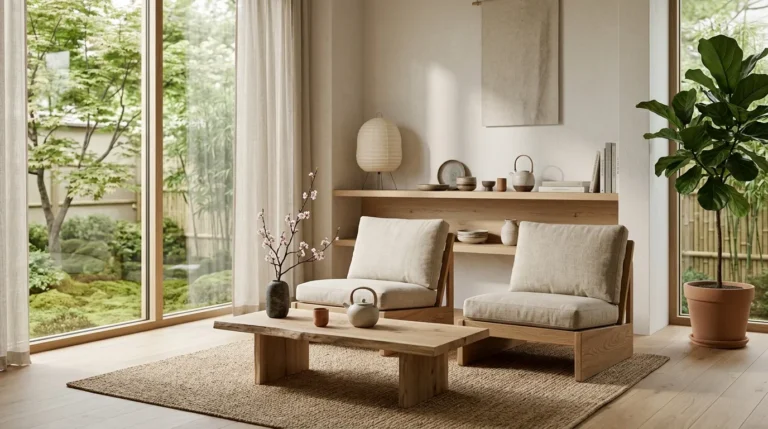
If you have a garden or trees visible from a window, optimize that view. Roger Ulrich’s foundational 1984 study showed that patients with window views of trees recovered faster from surgery. Position your desk or reading chair to face the most verdant view available. If you lack an outdoor view, a large terrarium placed at eye level can achieve a comparable layered-depth effect.
10. Introduce Organic Shapes and Biomorphic Forms
Right angles are efficient for construction but absent in nature. Circles, waves, and irregular curves reduce subconscious tension. Choose a round dining table over a rectangular one, use curved sofas, or add decorative objects with spiral forms like hand-thrown pottery. Even replacing a rigid gallery wall with an asymmetric layout can break the rigidity of a room.
11. Add Natural Scent Through Plants and Essential Oils
Scent is the most direct route to the limbic system, governing emotion and memory. Natural compounds like linalool (lavender) and limonene (citrus) are linked to reduced anxiety. Grow aromatic plants like lavender or rosemary in relevant rooms, or use cold-air diffusers with 100% essential oils. Avoid synthetic air fresheners, which often contain VOCs that counteract air quality goals.
12. Apply Biomorphic Patterns to Surfaces and Fabrics
When living plants aren’t feasible, surface patterns become the primary tool. Biomorphic patterns echo natural forms like leaf veins, water ripples, or cloud formations. Use these on wallpaper, upholstery, or rugs. Crucially, avoid rigid geometric patterns (grids, chevrons); the brain responds specifically to organic, fractal-like repetition found in nature.
How Should You Apply Biophilic Design Home Ideas Room by Room?
You do not need to apply all 12 elements to every room. Effective biophilic interiors layer 3–5 complementary elements suited to the room’s function.
Living Room Stack: Maximize natural light, adhere to the 10% plant rule, and layer natural textures like wool rugs and linen cushions. This creates a social space that feels inviting and calm.
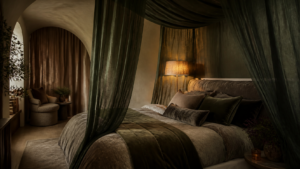
Bedroom Stack: Focus on scent and light. Use blackout curtains made of natural linen for sleep hygiene, introduce lavender scents for relaxation, and ensure at least one large plant is visible from the bed to reduce morning stress.
home office setup guide Stack: Prioritize views and organic shapes. Position your desk to face a window or a large nature print. Use a curved desk or chair to reduce physical tension during long work sessions.
Kitchen Stack: Utilize natural materials and water. Incorporate stone countertops, wood cabinetry,
Get the 4casahome digest
Honest reviews and no-hype guides — straight to your inbox. No spam, unsubscribe anytime.
Some links in our articles are affiliate links. See our full Affiliate Disclosure for details.
Related Articles
Written and tested by our editorial team
4CasaHome Editorial Team
Interior Design & Smart Home Experts
All product reviews are based on hands-on testing in real home environments. Smart home content is verified by our CEDIA-certified integrator. Meet our team.