Table of Contents
DIY Accent Wall Ideas for Living Room: 7 Methods for 2026
DIY Accent Wall Ideas for Living Room: 7 Methods for 2026: Accent walls remain a top search trend because they solve the common problem of bland interiors without the cost of remodeling. In 2026, the focus has shifted from simple color changes to textural depth. Homeowners are increasingly seeking ways to personalize their spaces without undertaking major construction projects that disrupt daily life. The modern living room is no longer just a space for seating; it is a backdrop for digital content, remote work, and social gathering, requiring a design that performs well on camera and in person. This shift towards multifunctional spaces means your wall design must look good during video calls and evening gatherings alike. For those interested in blending styles, explore our Japandi Interior Design 2026: 12 Budget-Friendly Ideas.
A single accent wall transforms a living room faster than any furniture swap. In the evolving design field of 2026, homeowners are prioritizing high-impact, low-commitment upgrades that add character without requiring a full renovation. Prices listed below are based on US retail averages as of June 2026. Whether you are looking to increase property value or simply refresh your rental space, these DIY solutions offer measurable returns on investment. Real estate experts suggest that visual staging improvements can increase perceived home value by up to 5%, making this a smart financial decision for sellers. Learn more about transformative projects in our guide to 15 Best DIY Accent Wall Ideas That Will Change Your Living Room.
You do not need a contractor, a massive budget, or a full weekend to achieve a designer look. The seven methods below range from $30 paint projects to $200 board and batten builds, with several options specifically curated for renters. Each section provides a direct cost range, a difficulty rating, and the specific materials you need to start today. By choosing the right texture and color, you can define zones in open-concept layouts without building permanent partitions. For more inspiration on integrating natural elements, explore our Biophilic Design Home Ideas: 12 Ways to Bring Nature Indoors.
Why Is an Accent Wall the Best DIY Project for 2026?
Accent walls remain a top search trend because they solve the common problem of bland interiors without the cost of remodeling. In 2026, the focus has shifted from simple color changes to textural depth. Homeowners want walls that interact with light and furniture, creating a dynamic backdrop for social gatherings. Furthermore, with real estate markets fluctuating, low-cost improvements that enhance visual appeal are crucial for sellers and renters alike. These projects allow you to test bold design choices without committing the entire room. Check out more DIY Wall Decor Ideas Bedroom Easy: 25+ Budget-Friendly Projects (source: U.S. Department of Energy home tips).
Psychologically, an accent wall draws the eye to a specific area, making rooms feel larger or cozier depending on the color choice. Darker tones recede, adding depth, while lighter textured walls reflect light to open up space. This strategic design choice is particularly effective in studio apartments or open-concept living areas where defining a lounge zone is necessary without erecting physical barriers. Proper wall treatment can also improve acoustics, reducing echo in large living spaces. (source: EPA indoor air quality).
Quick Comparison: 7 DIY Accent Wall Methods at a Glance
| Method | Estimated Cost | Renter-Friendly | Difficulty Level | Time Required |
|---|---|---|---|---|
| 1. Bold Paint Color | $30-$60 | Yes (with permission) | Beginner | 4-6 hours |
| 2. Limewash Paint | $50-$100 | Yes (with permission) | Beginner | 6-8 hours |
| 3. Peel and Stick Wallpaper | $80-$200 | Yes | Beginner | 3-5 hours |
| 4. Shiplap Planks | $150-$400 | No | Intermediate | 1-2 days |
| 5. Board and Batten | $80-$200 | No | Intermediate | 1 day |
| 6. Paint Stencil | $30-$70 | Yes (with permission) | Beginner | 5-7 hours |
| 7. Fluted/Slat Panels | $120-$350 | Some options | Intermediate | 1 day |
How Should You Prepare Your Wall Before Starting?
Proper preparation is the secret to a professional finish, regardless of the method you choose. Before purchasing materials, inspect your wall for cracks, nail holes, or uneven textures. For paint and limewash, fill holes with spackle and sand smooth using 120-grit sandpaper. For wallpaper and panels, ensure the surface is clean and dry. Dust and grease are the enemies of adhesion. Use a degreaser or TSP substitute to wipe down the area, especially near light switches or high-touch zones. If you are working with wood products like shiplap, allow the materials to acclimate to the room’s humidity for 48 hours to prevent warping after installation. Always wear a mask when sanding to ensure indoor air quality remains safe. Additionally, remove outlet covers and switch plates to ensure a seamless look around hardware.
Gather your tools before beginning. A basic kit should include a level, measuring tape, painter’s tape, and a drop cloth. For adhesive projects, have a smoothing tool or squeegee ready to remove air bubbles. If you are cutting wood, ensure you have access to a miter saw or ask your hardware store to make cuts for you. Safety glasses are mandatory when cutting or sanding materials. Taking the time to prep correctly reduces material waste and ensures your DIY accent wall ideas for living room spaces last for years without peeling or cracking.
What Are the Top 7 DIY Accent Wall Methods?
Choosing the right method depends on your budget, skill level, and whether you own or rent your home. Below is a detailed breakdown of the seven most effective methods for 2026.
1. Bold Accent Wall Paint: The $30 Starting Point
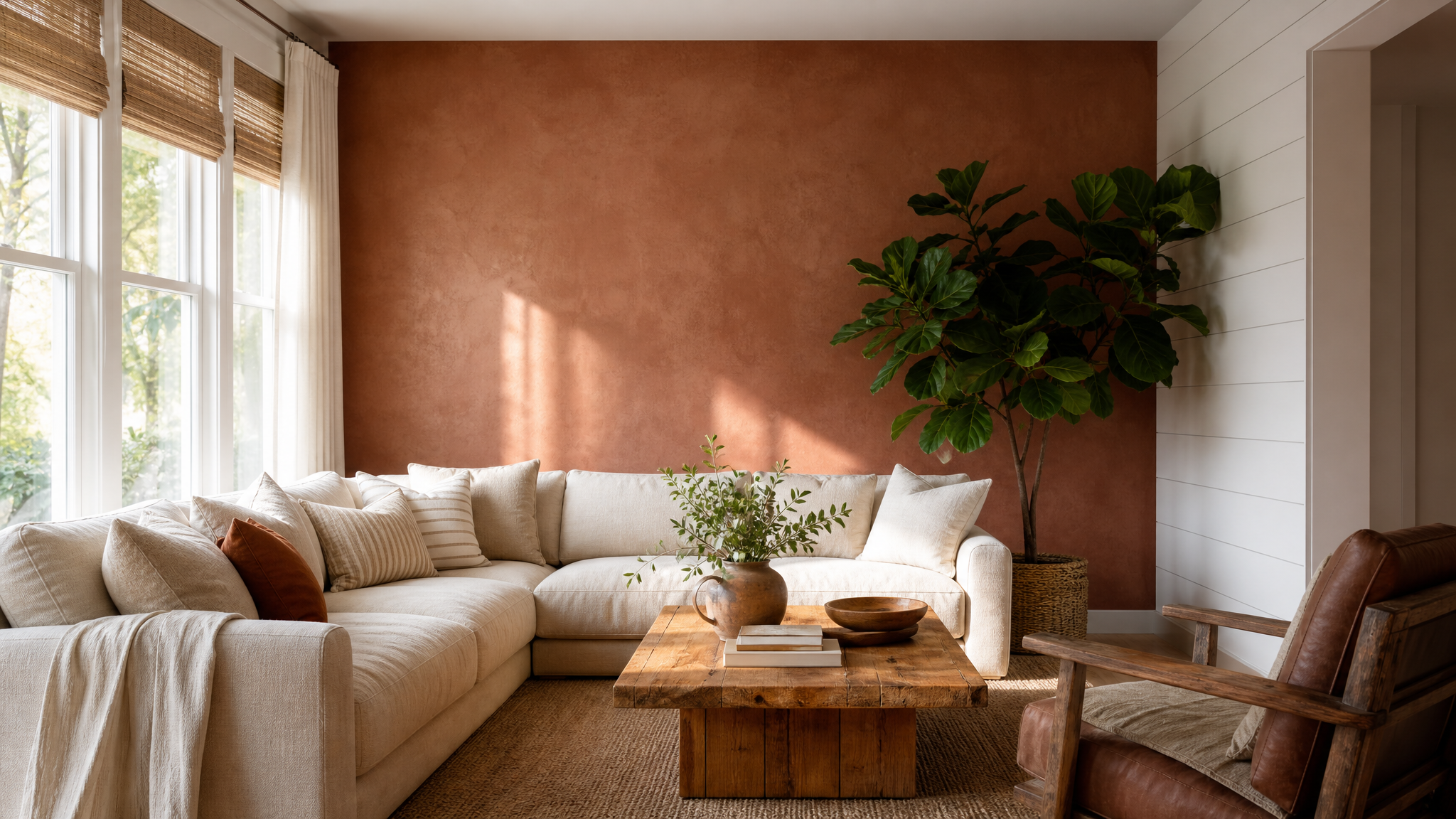
The most accessible method is simply using high-quality interior paint in a saturated hue. Unlike previous years where gray dominated, 2026 trends favor deep greens, navy blues, and warm terracottas. Choose a matte or eggshell finish to hide imperfections. Apply two coats for full coverage, using a brush for edges and a roller for the main surface. This method offers the highest ROI for the lowest cost. Ensure you use painter’s tape to create crisp lines where the accent wall meets the ceiling and adjacent walls.
Related reading: How to Color Cap Walls: The Complete 2026 Guide
2. Limewash Paint: Textural Elegance
Limewash creates a cloudy, mottled appearance that adds significant depth. It is breathable and mold-resistant, making it ideal for older homes. Application requires a specific brush and a cross-hatch technique while the paint is wet. Although the material cost is higher than standard paint, the artisanal look mimics high-end plaster finishes without the labor cost. Work in small sections to maintain a wet edge, blending each new stroke into the previous one for a seamless organic texture.
3. Peel and Stick Wallpaper: Renter’s Best Friend
Modern peel-and-stick options are indistinguishable from traditional wallpaper. Measure your wall square footage accurately to avoid running short. Start from a corner and use a level to ensure your pattern hangs straight. The adhesive is strong enough to stay put but removes cleanly without damaging drywall, making it perfect for leases. Look for textured varieties that mimic grasscloth or linen to add tactile interest without the permanence of glue.
4. Shiplap Planks: The Modern Farmhouse
Shiplap involves installing overlapping wood boards horizontally. You can use genuine wood or MDF strips for a budget-friendly alternative. Secure the planks to wall studs using a nail gun. Paint the entire wall white or a contrasting color after installation to unify the seams. This adds significant architectural interest to plain drywall. For a modern twist, consider installing the shiplap vertically or in a herringbone pattern to update the classic farmhouse aesthetic.
5. Board and Batten: Classic Geometry
This method uses vertical battens spaced evenly over a flat baseboard. Calculate your spacing precisely to ensure symmetrical gaps, typically 8 to 12 inches apart. Use wood filler to cover nail holes before painting. This style works well behind sofas or TVs, creating a framed effect that elevates the entire room. You can also add a horizontal chair rail to create a grid pattern, which adds even more dimension and sophistication to the living space.
6. Paint Stencil: Custom Patterns on a Budget
Get the 4casahome digest
Honest reviews and no-hype guides — straight to your inbox. No spam, unsubscribe anytime.
Some links in our articles are affiliate links. See our full Affiliate Disclosure for details.
Related Articles
Written and tested by our editorial team
4CasaHome Editorial Team
Interior Design & Smart Home Experts
All product reviews are based on hands-on testing in real home environments. Smart home content is verified by our CEDIA-certified integrator. Meet our team.
Similar Posts
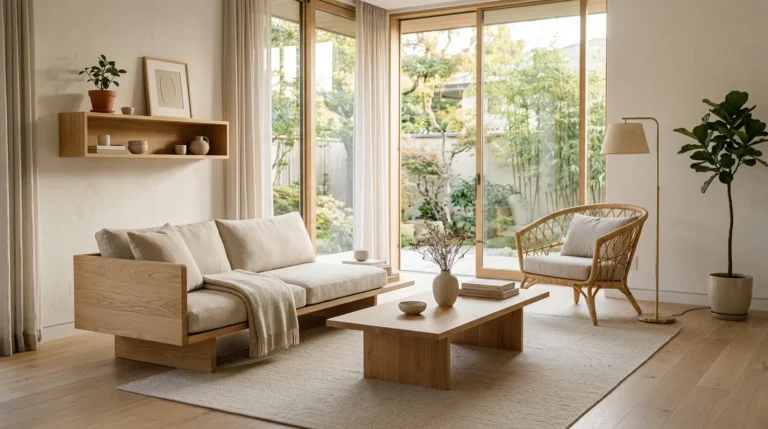
Japandi Interior Design 2026: 12 Budget-Friendly Ideas
Home DecorBy the 4casahome Team•April 22, 2026•6 min read✓ Independently reviewedTable of ContentsJapandi Interior Design 2026:…
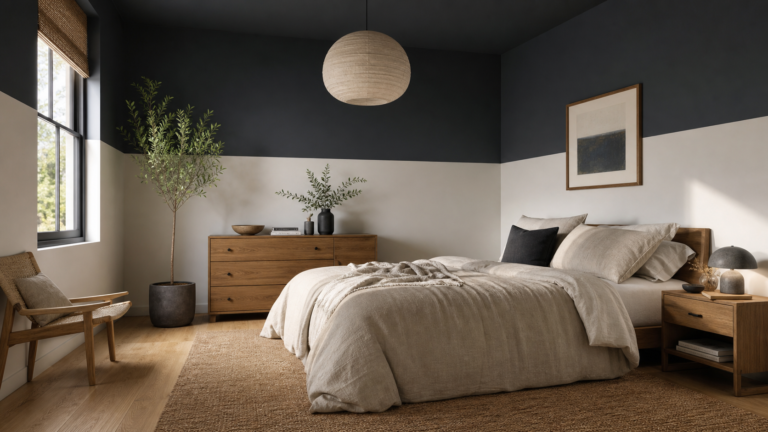
Color Capping Walls: How-To Guide + 5 Designer Secrets (2026)
Home DecorBy the 4casahome Team•July 13, 2026•12 min read✓ Independently reviewedTable of ContentsColor Capping Walls: How-To…
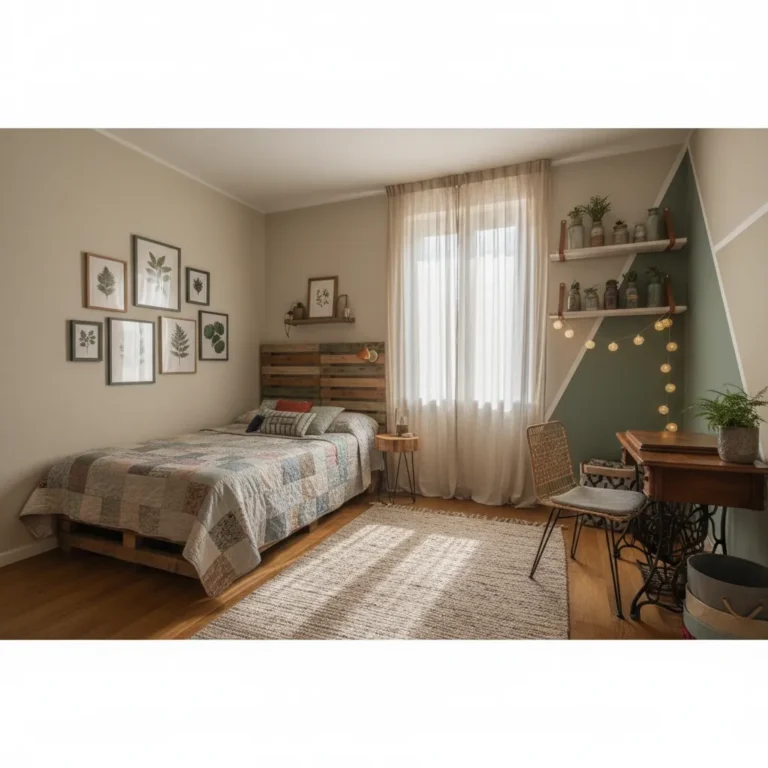
Top 10 Brilliant 2026 Budget Bedroom Makeover Tricks
Home DecorBy the 4casahome Team•April 29, 2026•10 min read✓ Independently reviewedTable of ContentsTop 10 Brilliant 2026…
Small Living Room Ideas for Hybrid Work 2026
Home DecorBy the 4casahome Team•March 7, 2026•17 min read✓ Independently reviewedTable of ContentsSmall Living Room Ideas…
27 Best Budget Bathroom Decor Ideas You Should Try in 2026
Home DecorBy the 4casahome Team•May 13, 2026•14 min read✓ Independently reviewedTable of Contents27 Best Budget Bathroom…