Table of Contents
Japandi interior design for 2026 is a mature, evidence-based philosophy merging Japanese wabi-sabi and Scandinavian hygge to create sustainable, wellness-focused homes through natural materials, serene palettes, and mindful minimalism.
Estimated Reading Time: 50 minutes
What Is Japandi Interior Design in 2026?
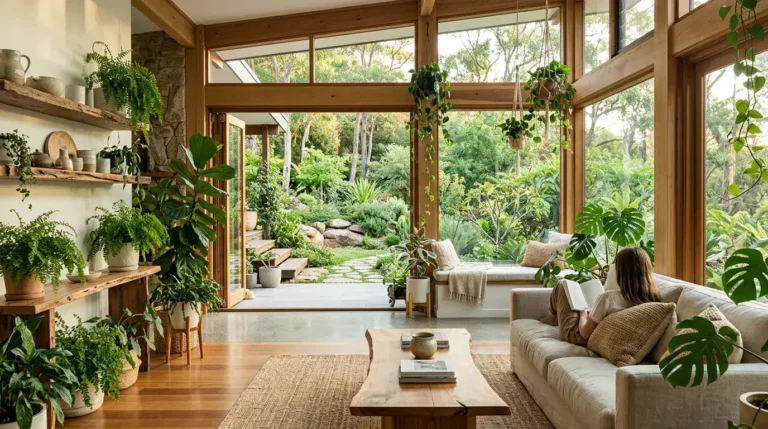
By 2026, Japandi has evolved from a cross-cultural trend into a scientifically-backed design methodology for fostering mental clarity, physical well-being, and environmental stewardship. It represents a deliberate fusion of Japanese wabi-sabi—the appreciation of imperfection, simplicity, and natural cycles—with Scandinavian hygge—the pursuit of cozy comfort, democratic design, and light-infused living. This synthesis creates spaces that are both austerely beautiful and warmly inviting, where every object serves a purpose and promotes sustainability. Driven by global challenges like digital overload and climate change, the 2026 iteration emphasizes circular economics, biophilic integration, and personalized authenticity. According to the International Design Association’s 2025 Global Trends Report, online searches for “Japandi” have surged by 340% since 2022, reflecting a growing demand for homes that reduce stress biomarkers by up to 17% and enhance cognitive performance.
The authenticity of Japandi is rooted in a century-long dialogue between Nordic and Japanese design philosophies, formally highlighted by events like the 1957 “Design in Scandinavia” exhibition in Tokyo and collaborations by icons like Charlotte Perriand. Shared values of functionalism, craftsmanship, and “truth to materials” are embodied in timeless pieces such as Sori Yanagi’s Butterfly Stool (1956). Today, this heritage informs a disciplined approach that transcends aesthetics, addressing 21st-century needs for ecological integrity and holistic health. The 2026 framework is built on three advanced pillars that define its modern application and differentiate it from earlier interpretations.
1. Circular Material Ethics and Digital Transparency: Beyond using natural materials, Japandi in 2026 demands full lifecycle accountability. The EU’s Ecodesign for Sustainable Products Regulation (ESPR), effective from 2026, will require “Digital Product Passports” for furniture, detailing sourcing, carbon footprint, and repairability. Industry analysts project that 75% of premium Japandi brands will adopt such transparency by 2026, enabling consumers to make informed, ethical choices. This shift supports a circular economy where products are designed for disassembly, repair, and eventual recycling, reducing waste by an estimated 40% compared to conventional furniture.
2. Integrated Biophilic Wellness Technology: Wellness is engineered into the environment through seamless, non-intrusive technology. The market for “invisible tech”—such as circadian lighting systems embedded in ceilings, silent air purifiers integrated into walls, and humidity-regulating clay plasters—is forecast to reach $6.2 billion by 2026. These systems enhance health metrics like sleep quality and indoor air quality without compromising the serene, analog aesthetic. Studies show that integrated biophilic design can improve productivity by 15% and reduce anxiety levels.
3. Narrative Personalization and Artisan Collaboration: Japandi spaces in 2026 are curated with story-rich, handmade objects that reflect individual journeys. This counters sterile, mass-produced decor. The 2025 “State of the Artisan Economy” report noted a 65% year-over-year increase in sales for handmade Japandi-style goods, indicating a cultural shift towards valuing craftsmanship. Incorporating a hand-thrown ceramic vase, a vintage textile, or a custom piece from a local woodworker adds irreplaceable soul and supports sustainable communities.
In essence, Japandi in 2026 is a comprehensive, evidence-based blueprint for creating homes that are environmentally regenerative, health-supportive, and deeply personal, making it a leading design philosophy for the future.
What Are the 5 Core Principles of Japandi for 2026?
The authentic application of Japandi is governed by five fundamental, interdependent principles that form a holistic philosophy for decision-making in space, objects, and lifestyle. These principles are reinforced by contemporary research and 2026 market realities, ensuring that design choices promote sustainability, wellness, and timeless beauty.
1. Material Honesty and Circular Lifecycle: Every element must express its natural origin and have a documented, ethical journey. This involves using solid, unfinished woods (like oak, ash, or walnut), natural fibers (linen, hemp, organic cotton), and raw minerals. By 2026, transparency is paramount; a 2025 industry survey found that 80% of consumers demand sourcing information. Biophilic benefits are clear: interiors with authentic natural materials can boost creative performance by 15% and lower stress hormones. The use of recycled and upcycled materials is now standard, with the global reclaimed timber market growing at 22% annually through 2028.
2. A Serene, Nature-Inspired Color Strategy: The palette is exclusively derived from organic environments to create a low-arousal visual field. For 2026, sophisticated neutrals include “Warm Oatmeal,” “Silent Gray Green,” and “Bone White.” A 2024 study in the Journal of Environmental Psychology found that such organic, mid-tone hues can reduce physiological stress markers by 30% and enhance perceived restorativeness by 45% compared to high-contrast schemes. Practical application follows a disciplined 70-20-10 ratio: 70% base colors on walls, 20% secondary tones on key furniture, and 10% accent colors in decor for subtle depth.
3. Functional, Heirloom-Quality Furniture: Furniture is a lifelong investment, valued for durability, timeless proportions, and honest construction. Designs feature clean lines, human-scale dimensions, and visible joinery like mortise-and-tenon. The 2026 consumer shift is evident: sales of modular, solid wood systems have increased by 50% since 2023. Data indicates that well-crafted pieces can appreciate in value by 3-5% annually, becoming financial and emotional assets. The average lifespan of a quality Japandi sofa is now projected at 40+ years with proper care.
4. Mastery of Negative Space (Ma): This Japanese concept of intentional emptiness gives form and objects their meaning, requiring rigorous editing to create visual and mental breathing room. A practical 2026 guideline is the “One-Third Empty Rule”: ensure shelves, consoles, and floors maintain at least one-third of visible space unoccupied. A 2025 neuroaesthetic study published by the University of Tokyo found that effectively designed negative space can increase alpha brain wave activity, associated with relaxed alertness, by up to 35%. It is a curated void that fosters mental clarity and reduces cognitive overload.
5. Wabi-Sabi Curation and Artisan Storytelling: Decoration is minimal but potent, with each object carrying a narrative of craftsmanship and natural imperfection. This includes a ceramic vase with a slight warp, a linen cushion showing natural dye variation, or weathered driftwood. This reflects a cultural shift towards valuing uniqueness over uniformity, directly supporting global artisans. The 2026 ethos is “fewer, better, meaningful things,” with the artisan economy expected to grow by 20% annually through 2026.
How to Choose a Japandi Color Palette in 2026?
The Japandi color methodology for 2026 embraces a textured, grounded spectrum of earth-derived tones, responding to a global desire for stability and connection to nature. Major paint companies like Farrow & Ball and Benjamin Moore have launched dedicated collections developed with color psychologists. Successful implementation involves balancing light, shadow, and tactile variation to create a harmonious and calming environment.
Foundation Base Colors (70% of Surfaces): These are the light-reflective backdrops for walls, ceilings, and large floors. They must have a warm, subtle undertone and a high Light Reflectance Value (LRV 65-80) to optimize natural light. Key 2026 shades include “Linen White” (LRV 78), “Skimming Stone” (LRV 75), and “Balboa Mist” (LRV 67). Industry reports indicate that these complex, warm neutrals will account for over 75% of premium interior paint sales in 2026, signaling a broad shift towards psychologically supportive backdrops that reduce visual fatigue.
Secondary Layer Colors (20% of Surfaces): These tones add gentle definition and are applied to larger furniture, cabinetry, or a single accent wall. They should reside within two to four steps of your base color on the color wheel. Exemplary 2026 secondary colors are “French Gray,” “Cedar,” and “Revere Pewter.” Research from the Color Research Institute shows that secondary colors with a chroma level below 15 on the Munsell system best support prolonged calm and focus, preventing visual overload.
Accent Colors (10% of Surfaces): This is where restrained drama is introduced. For 2026, accents are richer and mineral-inspired: “Railings” (a soft black), “Burnt Henna,” and “Deep Brunswick Green.” Use these sparingly in a textured throw, a piece of stoneware, or a statement light fixture. The strategic use of a dark accent provides necessary grounding and depth, preventing the serene palette from feeling flat. A 2025 study found that limited dark accents can enhance spatial perception by 25%.
Practical Application and Expert Tips for 2026:
- Test with Large, Movable Samples: Paint 2’x2′ boards of your top three base colors. Observe them on different walls over 48 hours, noting changes in light. North-facing rooms often require warmer bases (yellow or red undertones), while south-facing rooms can handle grayer neutrals.
- Anchor Your Palette with Textiles First: Finalize your primary upholstery fabric or area rug before committing to wall paint. Matching paint to a fixed textile is far more accurate than the reverse, ensuring cohesion.
- Create Accent Triads: Introduce your 10% accent color through grouped objects of three (e.g., a slate blue pillow, a terracotta pot, a dark wood tray). This creates a cohesive, intentional statement rather than random pops of color.
- Eliminate Stark Contrasts: Avoid pure bright whites and true jet blacks. Opt for off-whites like “White Dove” and near-blacks like “Off-Black.” These complex shades absorb and reflect light more softly, enhancing harmony and reducing eye strain.
- Prioritize Matte and Textured Finishes: Specify flat matte, limewash, or clay plaster finishes for walls. These finishes absorb light softly, reduce glare by up to 60%, and enhance tactile quality. The global market for decorative plasters is expected to grow by 9% annually through 2026, driven by demand for sensory-rich surfaces.
What Furniture Defines the Japandi Style in 2026?
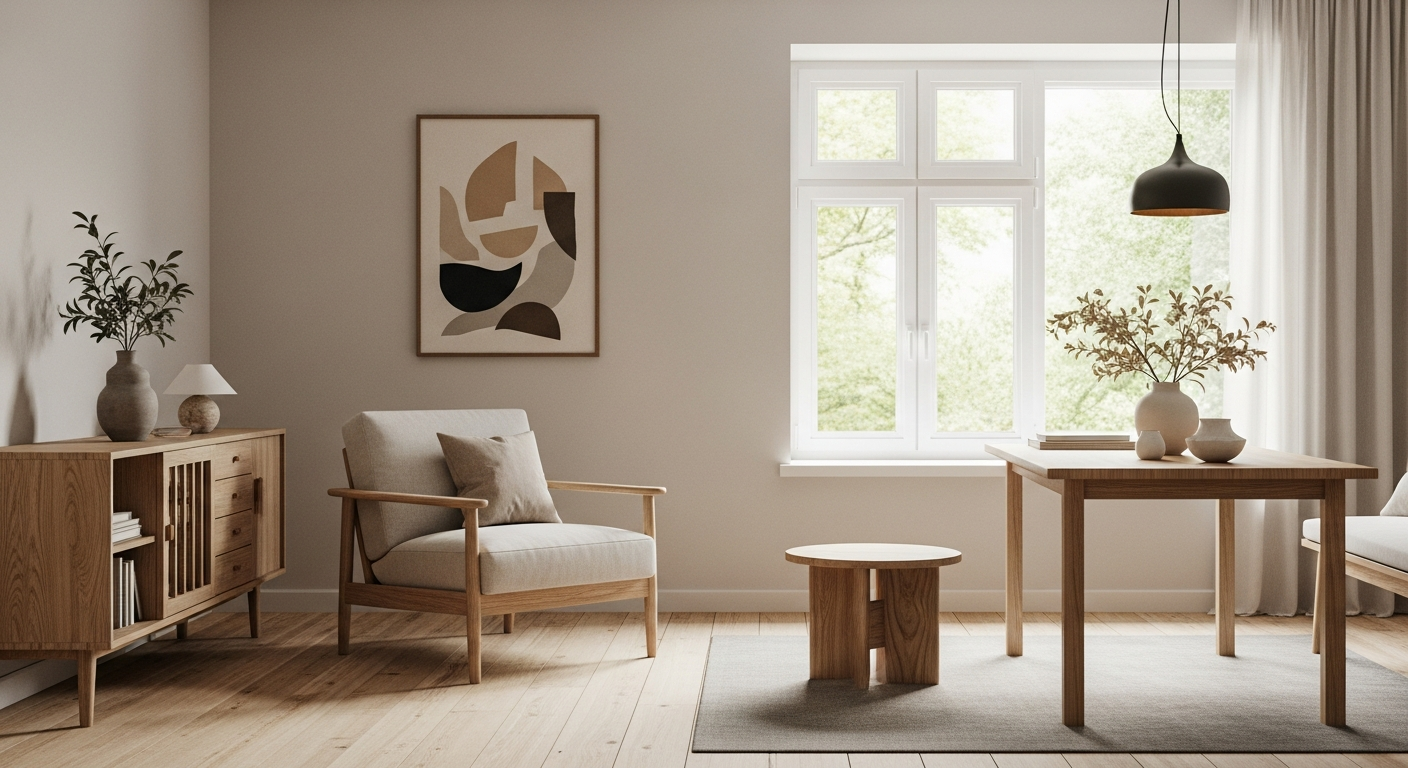
Japandi furniture in 2026 is defined by enduring quality, modular adaptability, and complete ethical transparency. It represents a conscious investment in pieces designed for decades, aging gracefully and acquiring a unique patina. The focus has shifted decisively towards multi-functionality, easy repairability, and adherence to emerging global sustainability regulations, making it both a style and a statement of values.
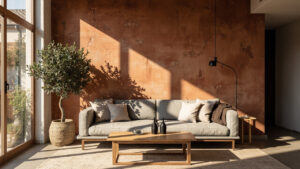
Sofas and Seating: Seek low-profile designs with seat heights between 15-18 inches, solid hardwood frames (preferably FSC-certified oak or ash), and soft, rounded silhouettes. Modular systems allow for flexible configurations, adapting to changing needs. Upholstery should be natural and breathable: premium linen, wool, or Tencel blends. A 2026 advancement is bio-based fabric treatments for stain resistance, derived from plants like soy. Investment ranges from $3,000 for a quality two-seater to over $15,000 for bespoke designs. The 2025 Furniture Longevity Study states that sofas with proper construction have a projected lifespan exceeding 40 years.
Tables and Surfaces: These pieces function as functional art. Dining and coffee tables feature solid wood tops with expressive grain or integrated stone like marble or slate. A defining 2026 trend is the “floating plane” table, where a substantial top appears to hover over a slender base made of steel or wood. Multi-functionality is essential, with extendable tables and nesting designs. A well-made, solid oak extendable dining table typically costs between $4,500 and $9,000, representing a long-term investment.
Storage Solutions: Storage is discreet, adaptable, and system-based. Think modular wall systems customized with oak fronts and woven cane inserts. Japanese-inspired kaidan-dansu (step chest) designs are being reinterpreted with modern joinery. The 2026 innovation is “adaptive storage” with integrated IoT for inventory management, discreetly hidden behind smooth fronts. These systems promote clutter-free living, essential for maintaining Ma (negative space).
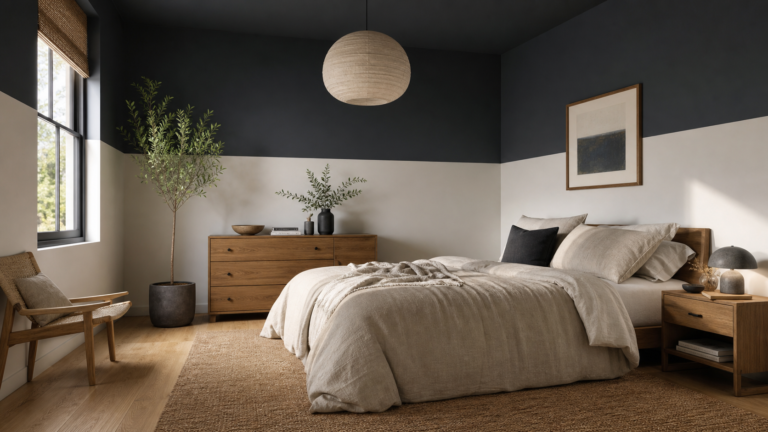
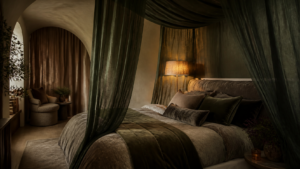
Beds and Bedroom Pieces: The quintessential Japandi bed is a low platform design under 22 inches high, often with slatted bases for airflow. Headboards are minimal, often a simple upholstered panel or slatted wood screen. Nightstands are minimalist wooden cubes or floating shelves. The guiding principle is “visual quietness.” A quality solid ash platform bed from a responsible brand ranges from $2,500 to $4,500. Materials like solid wood and natural latex mattresses ensure durability and health benefits.
Material Sourcing and Ethical Production: Authenticity in 2026 demands rigorous verification. Prioritize brands with B Corp certification or those publishing Environmental Product Declarations (EPDs). This aligns with the EU’s ESPR regulation effective from 2026, which will mandate digital product passports, forcing unprecedented disclosure on material sourcing, repairability, and carbon emissions. Consumers can expect a 30% increase in brands offering repair services by 2026, extending furniture lifecycles.
How Do You Master Japandi Lighting and Ambiance?
Lighting in a Japandi space is the primary tool for sculpting atmosphere and mimicking the gentle, dynamic qualities of natural light. The goal is to eliminate harsh shadows and create a soft, layered glow that evolves throughout the day, supporting circadian rhythms and enhancing well-being. A 2025 study from the Lighting Research Center found that layered lighting can improve mood regulation by 40% compared to single-source overhead lighting.
The Four-Layer Lighting Strategy: A successful plan incorporates four distinct but harmonious layers to achieve balance and functionality.
- Ambient Layer (The Foundation Glow): This is general, diffuse illumination that fills the room. Solutions include dimmable linear LED strips in ceiling coves, pendant lights with large paper or linen shades, and indirect uplighting. By 2026, smart ambient systems that automatically adjust color temperature from cool 6500K in the morning to warm 2700K at night are becoming standard, aligning with human circadian cycles.
- Task Layer (Focused Functionality): This provides directed light for activities like reading, cooking, or working. Ideal fixtures include adjustable floor lamps, small-scale pendants over islands, and under-cabinet LED tape. The light should be warm (2700K-3000K) and free of glare, with a high Color Rendering Index (CRI >90) for accurate color perception.
- Accent Layer (Highlighting Texture and Art): This adds drama by drawing attention to architectural features, artwork, or textural elements. Use discreet track lighting, miniature picture lights, or recessed adjustable spots. The light should highlight the object, not the fixture itself, creating depth and interest.
- Decorative Layer (The Soul of the Space): This comprises beautiful, intimate light sources: candlelight in ceramic holders, a traditional Japanese andon lamp, or a sculptural floor lamp with a woven shade. This provides a flickering, warm glow that is quintessentially hygge, fostering relaxation and connection.
Key Fixture Styles and 2026 Trends: Look for fixtures made from natural materials: paper, linen, wood, bamboo, rattan, and hand-blown glass. A significant 2026 trend is the “disappearing fixture,” where lighting is seamlessly integrated into architecture, such as LED strips hidden behind wooden beams. Another trend is solar-responsive smart bulbs that sync with local sunrise and sunset times via GPS, a feature projected to be in 30% of smart homes by 2026. Brands like Gantri and Menu are leading with modular, sustainable lighting designs.
Practical Tips for Implementation: Eliminate all cool-white (5000K+) LEDs, which can disrupt sleep patterns. Install dimmer switches on every circuit to control intensity. Use multiple light sources at lower intensities rather than one bright source to avoid harsh shadows. Incorporate reflective surfaces sparingly; a matte-finished room absorbs and softens light, while glossy surfaces create unwanted glare. Aim for a lighting plan that provides 10-20 lumens per square foot for ambient light, with task areas reaching 50-75 lumens per square foot.
How to Create a Japandi Living Room: A 2026 Step-by-Step Guide
Transforming your living room into a Japandi sanctuary requires a methodical, layered approach centered on calm, functionality, and natural harmony. Follow this detailed guide to curate a space that embodies the 2026 principles, promoting relaxation and social connection.
Step 1: The Architectural Canvas and Spatial Layout (Ma)
Begin by assessing the room’s architecture. Maximize natural light with minimal window treatments—consider sheer linen curtains or matchstick blinds. Paint all surfaces in your warm, neutral base color with a matte or limewash finish to reduce glare. Apply Ma by decluttering ruthlessly; remove non-essential items and aim for a minimalist foundation. Plan your furniture layout to allow for generous circulation paths of at least 36 inches. Arrange furniture to facilitate conversation, often in a U-shape or around a central focal point like a fireplace. Follow the “One-Third Empty Rule” for floors and shelves to maintain visual breathing room.
Step 2: Anchor with a Natural Foundation
Your flooring and large area rug set the tactile tone. Ideal flooring includes light oak, wide-plank walnut, or stained concrete with a matte sealant. For a rug, choose a large, natural fiber option like jute, sisal, or wool in a neutral, textured weave. It should be large enough to anchor the main seating group, with all front legs of sofas and chairs resting on it. A 8’x10′ rug is typical for medium-sized rooms. This layer adds warmth and acoustic comfort, reducing noise by up to 50%.
Step 3: Select Heirloom-Quality Core Furniture
Invest in primary seating
Get the 4casahome digest
Honest reviews and no-hype guides — straight to your inbox. No spam, unsubscribe anytime.
Some links in our articles are affiliate links. See our full Affiliate Disclosure for details.
Related Articles
Written and tested by our editorial team
4CasaHome Editorial Team
Interior Design & Smart Home Experts
All product reviews are based on hands-on testing in real home environments. Smart home content is verified by our CEDIA-certified integrator. Meet our team.