Table of Contents
Minimalist Living Room Furniture Ideas 2026
By Laura Bennett | Updated July 2026
This article contains affiliate links. We may earn a commission if you purchase through our links, at no extra cost to you. Ultimate Living Room Makeover Guide Under $500: Avoid The…
The best minimalist living room furniture ideas for 2026 center on multifunctional pieces, natural materials, and a deliberate reduction of visual clutter while retaining warmth. Think low-profile sofas in neutral tones, slim-leg coffee tables, and built-in or wall-mounted storage that replaces bulky standalone pieces. The goal is a space that feels intentional and calm, not empty and cold. Japandi Interior Design 2026: 12 Budget-Friendly Ideas
According to IKEA’s 2025-2026 Living at Home Report, which surveyed 37,000 households across 37 countries, the top home interior priority globally was “calm,” cited by 73% of respondents, followed by “organized” at 67% and “natural” at 61%. These numbers tell you exactly why warm minimalism is the dominant interior design approach in 2026. Cozy Apartment Decor Ideas on a Budget: 20 Affordable Ways t
What Is Warm Minimalism and Why Has It Replaced Cold Minimalism in 2026?
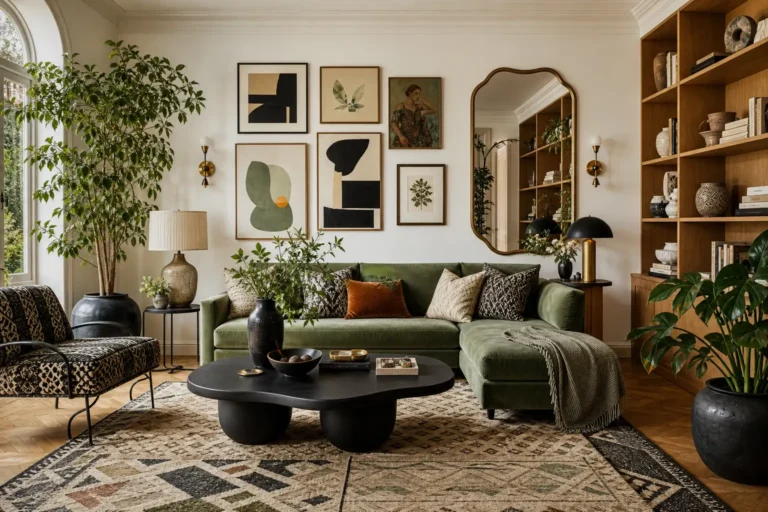
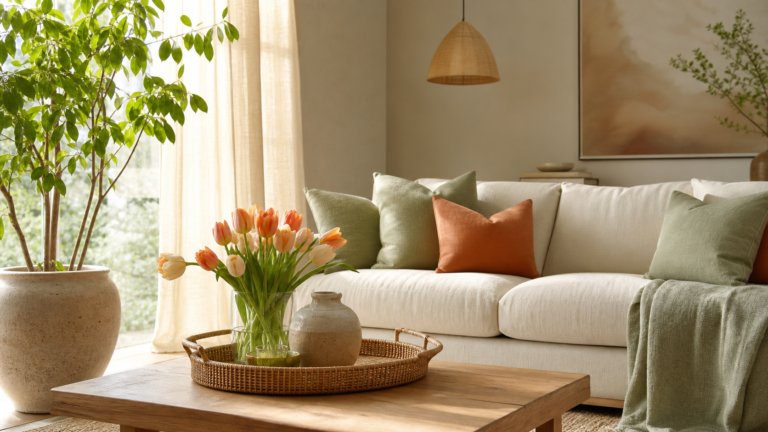
Warm minimalism is the dominant living room design direction in 2026, replacing the stark white rooms of earlier minimalist design with something more livable. It’s defined by simplicity of form combined with richness of natural material, and it’s the approach that actually works in real homes. Home Office Setup Ideas for Small Space 2026: 15 Practical L
The shift has a name: “Japandi,” a Japanese-Scandinavian fusion defined by specific material choices. Linen, oak, walnut, rattan, and raw ceramics replace cold metals and pure whites. The visual result is a room where every piece earns its place and where sightlines are unobstructed, but the space still feels genuinely warm.
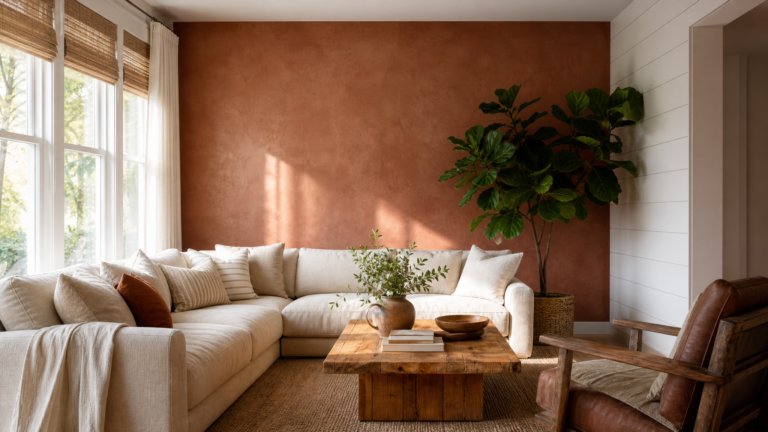
Design publications including Architectural Digest and Dwell have documented this transition extensively. The key insight is that warmth in a minimalist space comes from material texture, not from adding more objects. A linen sofa and oak coffee table in a simple, uncluttered arrangement reads as warmer than a room packed with colorful accessories.
For broader color guidance that works within a minimalist palette, trending home decor colors for 2026 covers the specific palettes that complement minimalist furniture beautifully.
What Sofa Works Best in a Minimalist Living Room?
The sofa is the single most important furniture decision in a minimalist living room. Get it wrong, and nothing else compensates. In 2026, the right minimalist sofa has specific characteristics that set it apart from traditional upholstered pieces.
Key characteristics of a minimalist sofa:
- Low profile: Seat height of 15-17 inches creates a grounded, contemporary feel versus the higher traditional sofa look
- Clean lines: No rolled arms, no fussy tufting, no ornate legs. Think straight or slightly tapered legs in natural wood or matte metal
- Natural upholstery: Textured linen, brushed cotton, boucle, or performance velvet in neutral tones (oat, warm gray, clay, slate)
- Modular capability: Many 2026 minimalist sofas come in modular sections, allowing you to customize shape without a fixed configuration
Top minimalist sofa options for 2026:
- IKEA KIVIK (sectional): Budget-friendly entry point, clean profile, available in washable slipcover. Best for a first apartment or rental.
- West Elm Haven Sofa: Mid-tier quality with excellent natural upholstery options. The low-slung profile is perfect for contemporary minimalist spaces.
- Muuto Rest Sofa: Investment-level Danish design that defines the warm minimalist category. Built to last decades.
- Castlery Otis Sofa: A newer brand offering West Elm quality at more accessible pricing. A strong 2026 option in the mid-market.
Avoid overstuffed sectionals with bulky arms, recliners, or anything with multiple contrasting materials. In a minimalist space, the sofa should read as a single, unified form.
You can browse current sofa options on Amazon or check Wayfair’s living room collection for a broad range at every price point.
Which Coffee Table Fits a Minimalist Living Room Best?
The minimalist coffee table does double or triple duty: surface space, storage, and sculptural element. In 2026, the dominant approaches offer something for every budget and aesthetic direction.
Solid wood (oak, walnut, ash): A simple rectangular or round slab on tapered legs is the quintessential minimalist coffee table. The grain and warmth of natural wood adds richness without decoration, and nothing competes with a well-made solid wood piece for longevity.
Nesting tables: Two tables that tuck under each other. Pull them out when you need extra surface area, tuck them away when you don’t. Ideal for smaller spaces or anyone who values flexibility over fixed furniture.
Travertine or stone top tables: The major trend for 2026. Natural stone with simple metal or wood bases adds textural luxury while maintaining clean lines. The organic stone pattern provides visual interest without added decor.
Low rattan or bamboo tables: Perfect for Japandi-influenced spaces. The organic material contrasts beautifully with linen sofas and creates a grounded feel at a budget-friendly price point.
What to avoid: glass-topped tables (visually busy, constantly smudged), overly ornate metal bases, tables with too many tiers or conflicting materials.
How Do You Handle Storage Without Adding Visual Clutter?
Minimalism is sabotaged by visible clutter. The key to maintaining a clean aesthetic in real life, with remote controls, books, blankets, and everyday objects, is thoughtful concealed storage that doesn’t add visual weight to the room.
Media console / TV stand: Keep it low and long. A floating wall-mounted console or a low-profile credenza with closed doors hides electronics and cables without drawing the eye upward. Floating versions remove the visual weight of legs entirely.
Built-in shelving: If your budget allows, built-in floor-to-ceiling shelving on a single wall is the ultimate minimalist storage move. It integrates into the room architecture rather than sitting in the space as a separate object. (source: U.S. Department of Energy home tips)
Ottoman with hidden storage: Replaces both a coffee table and a storage piece. Upholstered ottomans with lift-top storage are multipurpose workhorses for minimalist living rooms. Surface when you need it, concealed storage when you don’t. (source: EPA indoor air quality)
Sideboard or credenza: A simple, low sideboard along a living room wall stores everything out of view while its clean surface becomes a display area for two or three intentional items: a lamp, a plant, one art object.
According to a 2024 National Association of Home Builders survey, storage was the number one feature homebuyers listed as essential, cited by 85% of respondents. Effective storage design is as important as aesthetic choices in any minimalist interior.
Home Depot’s storage section carries a range of credenzas and media consoles that work well in minimalist setups.
What Accent Chair Works Best in a Minimalist Living Room?
One well-chosen accent chair can define the entire personality of a minimalist living room. The key word is “one.” In a minimalist scheme, a singular, bold accent chair makes a statement; two identical chairs flanking a sofa feel traditional rather than minimalist.
Best minimalist accent chair styles for 2026:
- Egg chair (Fritz Hansen style): The sculptural silhouette becomes the art piece in the room. Pair with a simple wooden floor lamp alongside it.
- Woven rattan or cane chair: Natural material, Japandi-perfect, adds texture without color contrast. The Pierre Jeanneret-inspired style continues to dominate minimalist interior design in 2026.
- Low, wide lounge chair in boucle or textured fabric: The reading chair configuration with a wide seat and low arms works beautifully as a singular accent piece.
- Tulip-style pedestal chair: A single-material form adds architecture to a living room corner without adding visual clutter.
Placement matters as much as the chair itself. Position it at 90 degrees to the sofa, not parallel. Add a floor lamp and a small side table. This creates a functional reading corner that anchors one end of the room without feeling crowded.
What Rug Strategy Works for a Minimalist Living Room?
A rug in a minimalist living room should define the seating area without dominating it. The rules here are simpler than they appear, and the most common mistakes are easy to avoid once you know what to look for.
Size: Go bigger than you think. The most common minimalist living room rug mistake is choosing too small a rug. A 5×8 under a standard sectional looks like a doormat. For most living rooms, 8×10 or 9×12 is appropriate. Furniture legs should sit on the rug, at least the front legs.
Pattern: In a minimalist scheme, opt for solid, subtle texture, or very low-contrast geometric pattern. High-contrast patterns compete with the clean lines of minimalist furniture. Natural fiber rugs (jute, sisal, seagrass) add organic texture without color disruption.
Color: Stay within your neutral palette. Warm whites, oats, taupes, warm grays. A tonal rug grounds the space; bold color or pattern rugs shift the room from minimalist toward eclectic.
One exception worth noting: a simple Beni Ourain Moroccan rug (white/ivory wool with subtle geometric markings) has become a signature element in 2026 minimalist interiors. It adds artisanal warmth while maintaining a quiet visual presence.
How Should Lighting Be Handled in a Minimalist Living Room?
Lighting in a minimalist living room should feel architectural rather than decorative. This means avoiding fussy, ornate fixtures in favor of pieces where the light source itself becomes the sculptural element in the room.
Floor lamps: An arched brass or matte black floor lamp is one of the most impactful single purchases in a minimalist living room. It reads as both functional and sculptural, adding vertical dimension without ceiling-mounted complexity.
Table lamps: Simple ceramic or rattan bases with linen shades. Two matching lamps on opposite ends of a console or sideboard create symmetry without fussiness.
Recessed lighting (if renovating): For those who can retrofit, recessed lighting eliminates surface-mounted fixtures entirely. The cleanest possible ceiling aesthetic. Pair with warm (2700-3000K) LED bulbs.
The goal is layered light at three levels: ambient (ceiling/floor lamp), task (reading lamp), and accent (a small lamp or candles highlighting a specific display area). This eliminates the flat overhead-only lighting common in rental spaces while maintaining a simple, uncluttered look.
What Budget Do You Need for a Minimalist Living Room?
Minimalism doesn’t require designer budgets. Buying fewer, better pieces is a more economical approach long-term than buying many cheap items that wear out and need replacing. Here’s how the numbers break down across three budget ranges.
$500-1,500 budget (apartment starter):
– IKEA KIVIK sofa ($700-900) + HEMNES TV unit ($250) + LACK coffee table ($50) + SINNERLIG jute rug ($80) + floor lamp ($60-100)
– Total: approximately $1,200-1,400
– Tip: invest in better quality for the sofa and keep everything else minimal and functional
$2,000-4,000 budget (mid-range):
– West Elm or Castlery sofa ($1,200-1,800) + solid wood coffee table ($400-600) + low media console ($400-500) + quality jute or wool rug ($300-500)
– Total: approximately $2,500-3,500
– At this level, material quality significantly improves the overall look and longevity
$5,000+ budget (investment level):
– Muuto or Hay sofa ($2,500-4,000) + travertine coffee table ($600-1,200) + custom built-in shelving ($1,200-2,500) + quality area rug ($600-1,000)
– Total: $5,000-9,000, but these pieces last 20+ years with proper care
A 2023 study by the American Home Furnishings Alliance found that consumers who invested in mid-to-high quality furniture reported an average 4.2x longer product lifespan compared to entry-level alternatives. For minimalists committed to less-but-better, quality is the superior economics.
For inspiration on creating a cohesive apartment aesthetic on any budget, our guide on cozy apartment decor ideas on a budget covers affordable transformation strategies that complement a minimalist furniture approach.
What Are the Key Minimalist Design Principles to Follow in 2026?
If you’re building a minimalist living room from scratch or renovating an existing space, a few core principles make the difference between a room that feels intentional and one that just feels sparse.
The rule of intention: Every object in the room should have a reason to be there. Before you add anything, ask yourself what function it serves, visual or practical. If you can’t answer that question clearly, the item doesn’t belong.
The rule of materials: Limit yourself to three to four materials across all furniture pieces. A room that mixes oak, linen, rattan, and ceramic creates a cohesive material story. A room that mixes chrome, glass, plastic, MDF, and velvet feels chaotic regardless of how few pieces there are.
The rule of negative space: Empty space is not wasted space. In minimalist design, the areas between objects are as important as the objects themselves. Resist the urge to fill every corner, surface, and wall.
The rule of scale: In a minimalist room, getting the scale right matters more than in a maximalist space because there’s less visual competition. A too-small sofa in a large room looks lost; an oversized coffee table overwhelms a small seating area. Measure twice, buy once.
Wirecutter’s furniture buying guides consistently emphasize that scale is the factor buyers most often get wrong when shopping without measuring their space first. It’s worth taking 10 minutes with a tape measure before any major purchase.
FAQ: Minimalist Living Room Furniture
What furniture is essential for a minimalist living room?
The essential pieces are: one sofa or sectional, a coffee table or ottoman, a TV media unit or shelving if needed, and adequate lighting (at minimum one floor lamp plus ambient). Everything else is optional. A minimalist room’s power comes from deliberate editing, not comprehensive furnishing.
What colors work best in a minimalist living room in 2026?
Warm neutrals dominate 2026 minimalist spaces: warm white, oat, linen, warm gray, clay, and terracotta. The palette is anchored by natural wood tones (oak, walnut, bamboo) and accented with a single richer color in one element like an accent chair or throw blanket.
How do I keep a minimalist living room feeling warm and not cold?
Three keys: natural materials (linen, wood, rattan instead of plastic, metal, glass), layered lighting (three sources minimum), and textural variety within a tight color palette. A neutral room with a linen sofa, oak table, woven rug, and ceramic lamp reads as warm and curated.
Is minimalist furniture expensive?
It doesn’t have to be. IKEA’s range includes excellent minimalist pieces (KIVIK sofa, LISABO table, KALLAX shelving, HEMNES media units) that form a complete minimalist living room for under $1,500. The principle of fewer, better pieces means you’re spending less overall even if individual pieces cost more.
What is Japandi style and is it the same as minimalism?
Japandi is a fusion of Japanese and Scandinavian design principles. Both prioritize simplicity, functionality, and natural materials. But Japandi adds warmth and wabi-sabi (imperfect beauty) that pure Scandinavian minimalism sometimes lacks. In practice, Japandi is warm minimalism: it looks minimalist but feels cozy.
How many pieces of furniture should a minimalist living room have?
A complete minimalist living room typically needs 5-7 pieces: sofa, coffee table, one or two accent chairs, media unit or shelving, rug, and two or three lighting elements. The test isn’t the number of pieces but function. Every item should have a clear purpose.
What is the biggest mistake in minimalist living room design?
Confusing minimalism with emptiness. Minimalism isn’t about having nothing. It’s about having the right things. The most common mistake is removing too much furniture, leaving the room feeling sparse and uncomfortable rather than calm and intentional.
Get the 4casahome digest
Honest reviews and no-hype guides — straight to your inbox. No spam, unsubscribe anytime.
Some links in our articles are affiliate links. See our full Affiliate Disclosure for details.
Related Articles
Written and tested by our editorial team
4CasaHome Editorial Team
Interior Design & Smart Home Experts
All product reviews are based on hands-on testing in real home environments. Smart home content is verified by our CEDIA-certified integrator. Meet our team.