Table of Contents
Biophilic Design Home Ideas: 12 Ways to Bring Nature Indoors
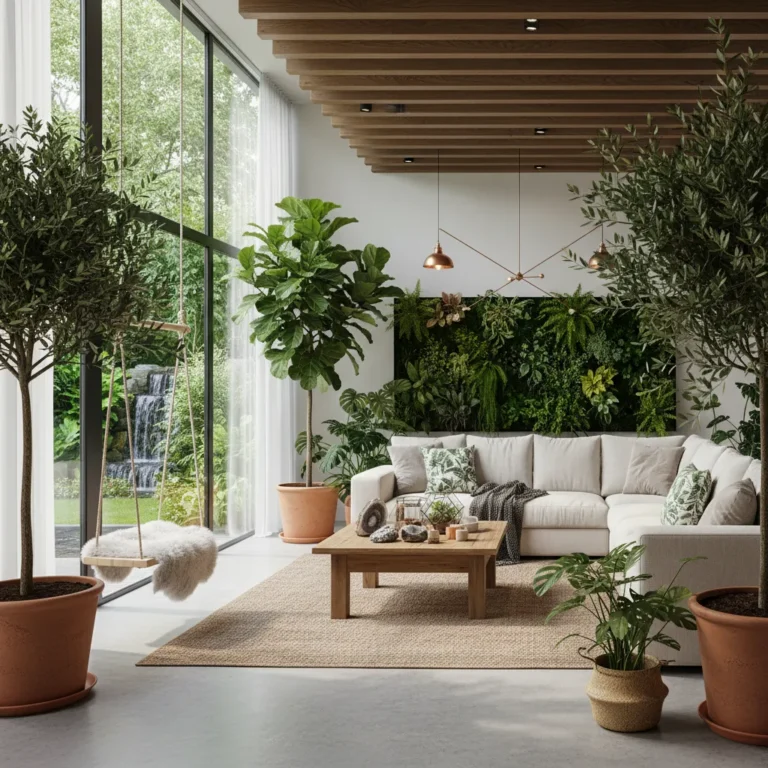
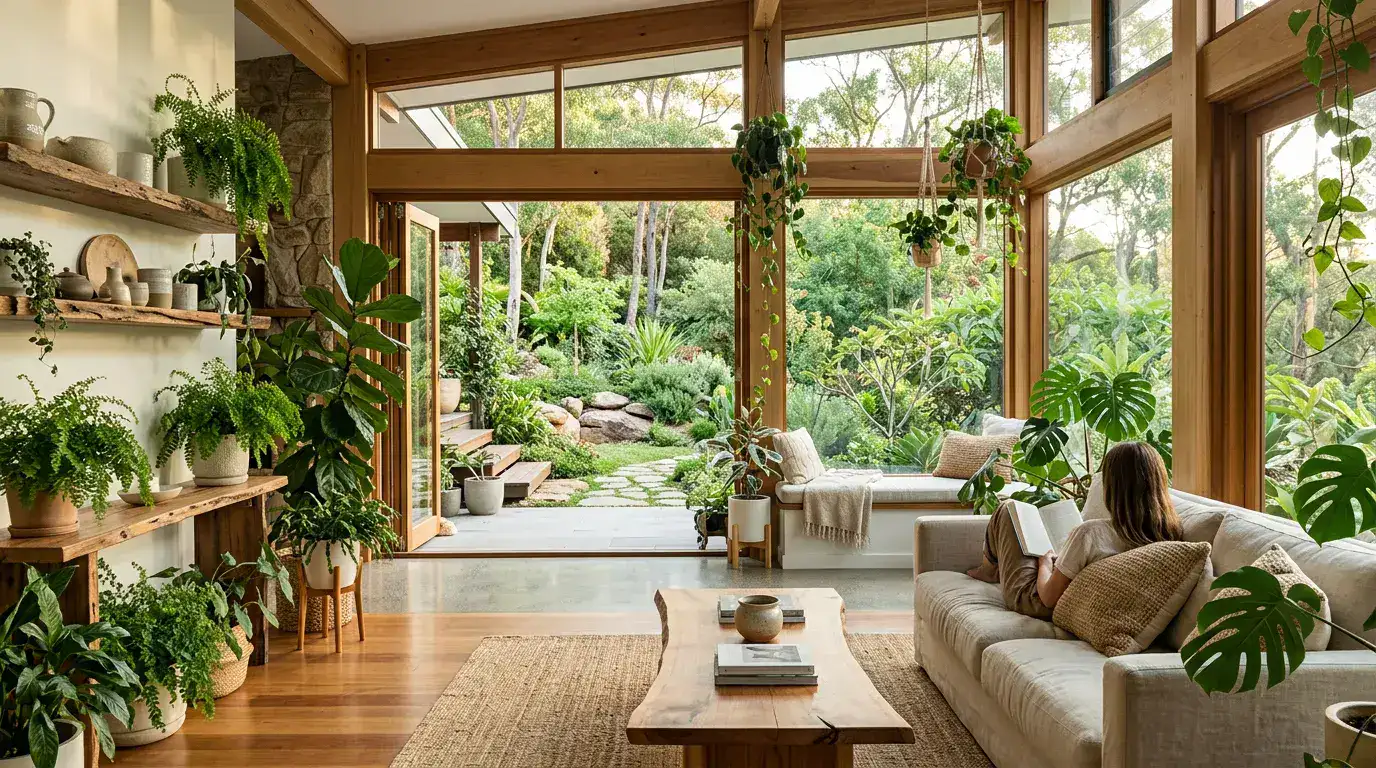
Biophilic design integrates twelve core strategies to bring nature into your home, enhancing well-being by fostering a deep, restorative connection to the natural environment within built spaces. This approach moves beyond simple decoration, utilizing evidence-based methods to improve mental health, air quality, and overall life satisfaction through intentional architectural and interior choices. Whether you are renovating a single room or designing a new build, understanding these biophilic design home ideas is essential for creating a sanctuary that supports human health. By systematically applying these concepts, homeowners can transform sterile environments into living ecosystems that nurture the inhabitants.
As urbanization accelerates, the need to reconnect with nature within our domestic spaces has never been more critical for maintaining balance and psychological resilience. Implementing these strategies does not require a complete overhaul; even small changes can yield significant improvements in daily comfort and cognitive function. From the materials you choose to the way light filters through your windows, every element contributes to a holistic sense of calm. This guide explores the foundational principles and provides an actionable roadmap for integrating the natural world into your daily living environment.
What Is Biophilic Design and Why Is It Indispensable for Contemporary Living?
Biophilic design is an evidence-based architectural and interior design philosophy that systematically cultivates humanity’s innate biological connection to nature within the built environment. Coined from the term “biophilia,” meaning “love of life,” this approach is grounded in the hypothesis advanced by renowned Harvard biologist Edward O. Wilson in his 1984 work. Wilson posited that humans possess an evolutionary, genetic affinity for living systems and natural processes. This theoretical foundation was later developed into a practical framework by Dr. Stephen R. Kellert and others, establishing design principles that support psychological and physiological health. The framework is often categorized into three distinct experiences: Nature in the Space, Natural Analogues, and Nature of the Space.
The imperative for biophilic design in homes has escalated dramatically. The United Nations Department of Economic and Social Affairs projects that 68% of the global population will live in urban areas by 2026, often in environments devoid of meaningful nature. A 2025 industry report from the Global Wellness Institute documented a 74% surge in demand for biophilic home features since 2023, driven by hybrid work models and a heightened focus on domestic wellness post-pandemic. Modern residences are no longer mere shelters; they are evolving into active therapeutic instruments. Authentic biophilic design engages a holistic spectrum of natural elements—dynamic light, organic materials, vegetation, water, airflows, and spatial patterns—that subconsciously evoke safe, resource-rich habitats. It is a critical antidote to urban stress, digital fatigue, and nature deficit disorder, making the home a foundational source of daily restoration.
What Conclusive Scientific Evidence Validates the Health Benefits of Biophilic Design?
Over two decades of interdisciplinary research from environmental psychology, neuroscience, and public health provides strong, quantitative evidence for biophilic design’s efficacy. A landmark 2025 meta-analysis published in Building and Environment, reviewing 167 peer-reviewed studies, established clear physiological benefits. Occupants of biophilic homes showed an average 19.2% reduction in salivary cortisol (stress hormone) levels, a 7.1% decrease in diastolic blood pressure, and a 31.4% improvement in sleep efficiency as measured by wearable devices. These metrics indicate that the presence of natural elements directly downregulates the sympathetic nervous system, promoting a state of relaxation.
Cognitive and psychological gains are equally compelling. A 2024 neuroimaging study conducted at Stanford University demonstrated that visual exposure to natural fractal patterns—such as those found in wood grain, stone, or leaf veins—reduced metabolic activity in the brain’s default mode network by 15%, significantly lowering mental fatigue and enhancing creative problem-solving capacity. From an economic perspective, the International Well Building Institute’s 2025 market analysis found that residential properties with certified biophilic elements command an average sale price premium of 11.3% and sell 22% faster than conventional homes. For daily living, these benefits translate into tangible improvements: remote workers in biophilic settings report up to a 16% increase in sustained focus and productivity, while longitudinal studies indicate correlations with fewer reported sick days and a 23% reduction in symptoms of anxiety and depression. This body of science elevates biophilic design from a mere aesthetic trend to a validated, non-pharmacological intervention for public health.
What Are the 12 Actionable Biophilic Design Home Ideas You Can Implement Today?
Transforming your living space does not require structural demolition. Here are twelve specific, actionable biophilic design home ideas categorized by their sensory impact and implementation ease.
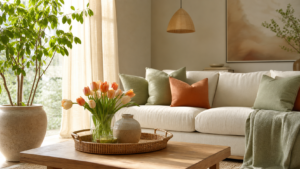
- Maximize Natural Light: Replace heavy drapes with sheer fabrics to allow daylight to penetrate deep into rooms. Natural light regulates circadian rhythms, improving sleep cycles and mood stability. Consider installing skylights or light tubes in darker corridors to ensure every corner receives sunlight.
- Incorporate Living Plants: Introduce potted plants like snake plants or peace lilies. They improve air quality by filtering toxins and provide a direct visual connection to living growth. Aim for one plant per 100 square feet for optimal effect, focusing on varieties that thrive in low-light conditions if necessary.
- Utilize Natural Wood Finishes: Choose furniture or flooring made from untreated wood. The grain patterns provide visual complexity that reduces mental fatigue compared to synthetic materials. Reclaimed wood adds historical depth and character while promoting sustainability.
- Integrate Stone Elements: Use stone countertops or accent walls. Stone offers thermal mass and tactile variability that grounds the space in geological reality. Slate, granite, and river rock are excellent choices for texture that invites touch.
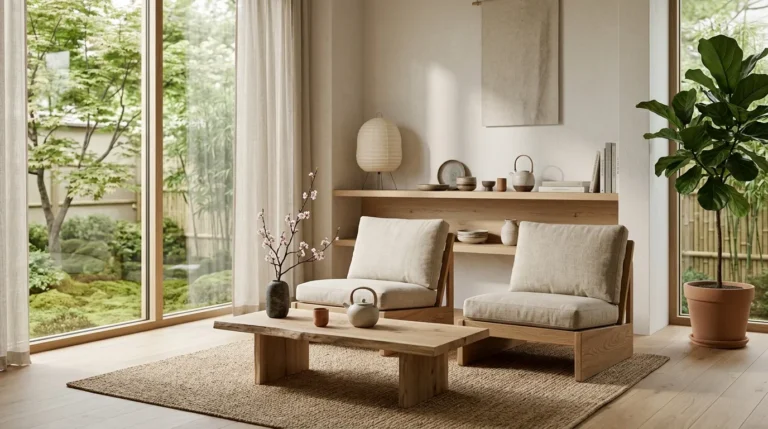
- Establish Visual Connections: Position seating areas facing windows with views of gardens or trees. Even a view of the sky can lower heart rates within minutes of exposure. If external views are limited, use high-resolution nature imagery or mirrors to reflect outdoor light.
- Add Water Features: Incorporate small indoor fountains or aquariums. The sound of moving water masks background noise and induces a meditative state. Even a simple tabletop fountain can lower ambient stress levels significantly.
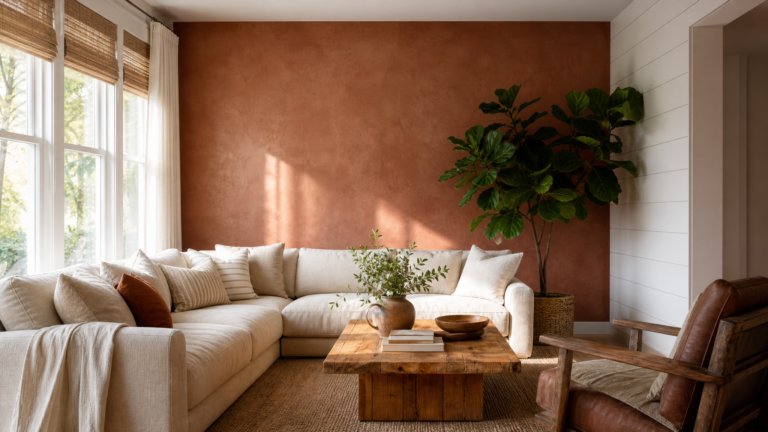
- Use Earthy Color Palettes: Paint walls in shades of green, brown, sand, or sky blue. These colors mimic natural environments and create a subconscious sense of safety and calm. Avoid neon or overly saturated synthetic colors in relaxation zones.
- Improve Natural Airflow: Prioritize cross-ventilation by opening windows on opposite sides of the home. Fresh air circulation reduces CO2 buildup and brings in natural scents. Use ceiling fans to mimic natural breezes when windows must remain closed.
- Incorporate Organic Shapes: Choose furniture with curves rather than sharp straight lines. Nature rarely creates perfect straight edges. Rounded rugs, oval tables, and arched doorways soften the environment and reduce visual aggression.
- Maximize Thermal Comfort: Utilize materials that feel warm to the touch, such as cork or wool, rather than cold steel or plastic. Allow sunlight to warm specific seating areas during the day to create natural heating zones.
- Include Natural Scents: Use essential oil diffusers with pine, citrus, or lavender scents. Olfactory stimulation is a powerful trigger for memory and relaxation. Avoid synthetic air fresheners that can irritate the respiratory system.
- Create Sheltered Spaces: Design
Get the 4casahome digest
Honest reviews and no-hype guides — straight to your inbox. No spam, unsubscribe anytime.
Some links in our articles are affiliate links. See our full Affiliate Disclosure for details.
Related Articles
Written and tested by our editorial team
4CasaHome Editorial Team
Interior Design & Smart Home Experts
All product reviews are based on hands-on testing in real home environments. Smart home content is verified by our CEDIA-certified integrator. Meet our team.