Table of Contents
Japandi Interior Design: 15 Ideas for a Serene Home in 2026
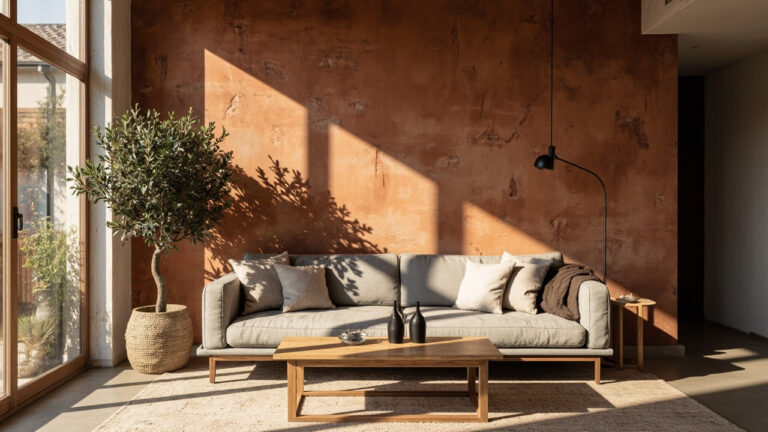
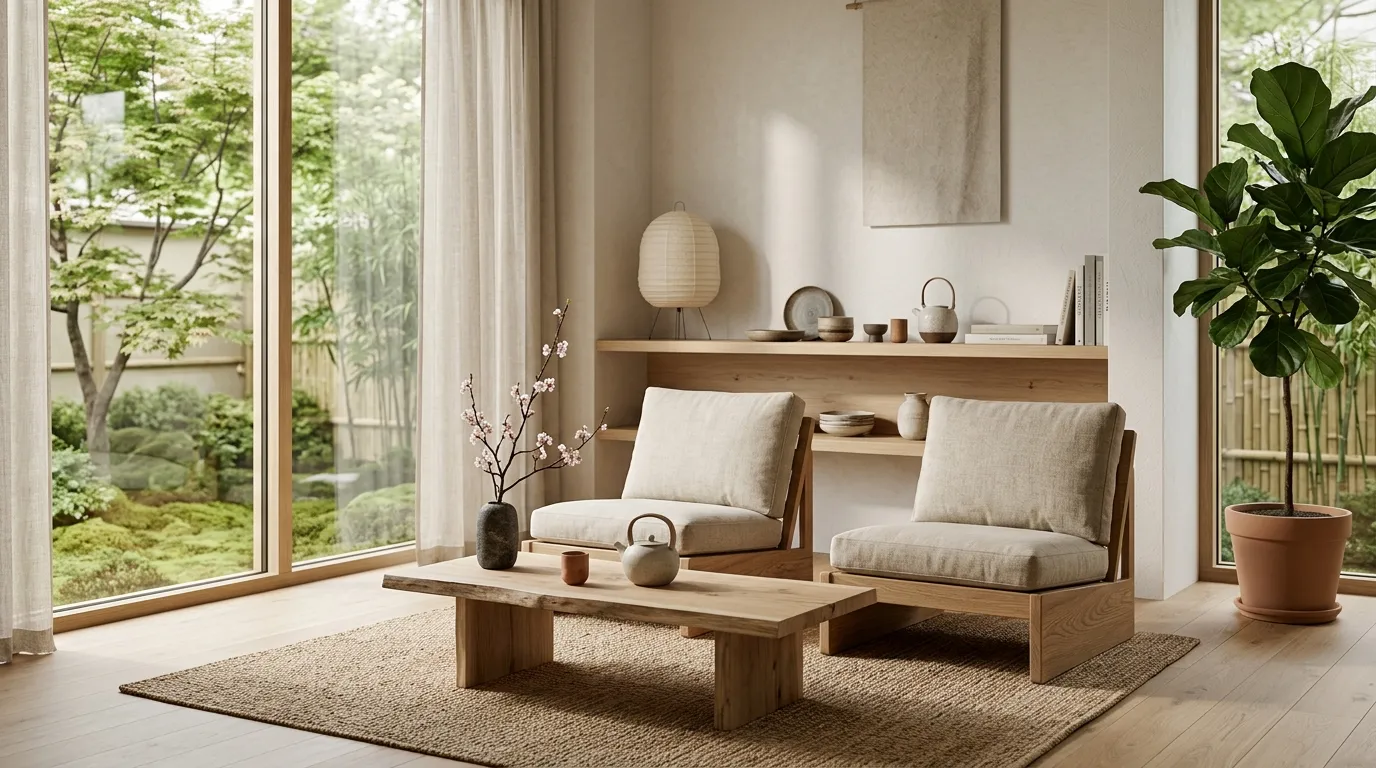
Japandi interior design ideas offer the fastest path to a home that feels genuinely calm rather than simply tidy. This enduring style fuses Japanese wabi-sabi, which finds beauty in imperfection and transience, with Scandinavian hygge, the Danish art of comfortable coziness. The result is a home stripped of everything that creates visual noise, filled only with warm natural materials and furniture low enough to make a room feel twice its size. This hybrid aesthetic is not just a fleeting trend; it is a lifestyle adjustment that prioritizes mental clarity through physical space.
In 2026, Japandi remains one of the most searched home-style terms globally. Pinterest reported a 240 percent year-over-year spike in Japandi saves between 2023 and 2025, driven by homeowners seeking a counterweight to overstimulating digital environments. A 2024 study published in the Journal of Environmental Psychology confirmed that rooms with reduced visual clutter and biophilic elements lower cortisol by up to 15 percent within 20 minutes of exposure. That is not an abstract claim; it is why interior designers now use Japandi principles in both residential and therapeutic settings to promote well-being.
This guide covers 15 actionable Japandi interior design ideas, a practical color palette reference, a mistakes-to-avoid section, and an FAQ answering the questions real homeowners ask before starting a Japandi project. Whether you are renovating a single room or overhauling an entire floor plan, these principles ensure longevity and tranquility.
What Makes Japandi Interior Design Ideas Different from Minimalism?
Minimalism removes; Japandi curates. A strict minimalist room can feel cold and unwelcoming, often resembling a gallery more than a living space. Japandi interior design ideas introduce warmth through handmade ceramics, linen throws, live plants, and visible wood grain. Each object earns its place not by being invisible but by contributing quiet beauty. The key markers that separate Japandi from plain minimalism are distinct and essential for achieving the right atmosphere.
- Warm neutrals over stark white. Japandi palettes run toward greige, warm taupe, sage, and charcoal rather than clinical white. This prevents the space from feeling sterile and invites relaxation.
- Natural imperfection is welcome. A slightly irregular pottery bowl or a knot in a wooden tabletop is intentional, wabi-sabi at work. Perfection is seen as unnatural and overly manufactured.
- Functionality is the design brief. Every shelf, bench, and drawer must justify its existence by doing a job. Decorative-only objects are rare and must hold personal significance to remain.
- Low visual horizon. Furniture sits close to the floor, keeping sightlines open and ceilings feeling higher. This grounds the occupant in the space and promotes stability.
Understanding this distinction prevents the most common Japandi mistake: painting walls white, buying flat-pack furniture, and calling it done. True Japandi requires an investment in texture and material quality to achieve the desired psychological effect of calm. It is about living well, not just living with less. The goal is to create a sanctuary that supports daily rituals rather than a showroom that discourages touch.
What Are the 3 Pillars Behind Every Strong Japandi Room?
Before reaching the 15 ideas, internalize these three pillars. They act as a filter for every purchasing and styling decision you make throughout your renovation or refresh process. Without these foundational concepts, the room may look correct visually but fail to feel right emotionally.
1. Ma, negative space as an active element.
In Japanese aesthetics, ma is the deliberate gap between objects. It is not empty; it is the silence that lets the room breathe. Plan at least 40 percent of any surface, shelf, or wall to remain unoccupied. This negative space allows the eye to rest, reducing cognitive load and preventing decision fatigue when you walk into the room. When you leave space empty, you highlight the items that remain, giving them dignity and focus.
2. Wabi-sabi, imperfection over polish.
Aged linen, a hand-thrown vase, raw-edge wood, these signal authenticity. Shiny chrome fixtures and high-gloss cabinetry contradict this pillar. Embrace materials that show the hand of the maker or the passage of time. Cracks in ceramics are repaired with gold, celebrating the history of the object rather than hiding it. This approach reduces the stress of maintaining pristine conditions and encourages acceptance of change.
3. Hygge, sensory comfort alongside visual calm.
Soft throw blankets, candles, tactile rugs, and warm-spectrum lighting (2700 K–3000 K) ensure the room remains livable, not just photographable. The space must invite you to linger, not just to look. Comfort is not sacrificed for the sake of aesthetics; rather, comfort is the primary aesthetic. If a chair looks beautiful but hurts to sit in, it does not belong in a Japandi home.
15 Japandi Interior Design Ideas for 2026
Implementing this style requires attention to detail across furniture, textures, and layout. Here are 15 specific ideas to transform your space into a Japandi sanctuary.
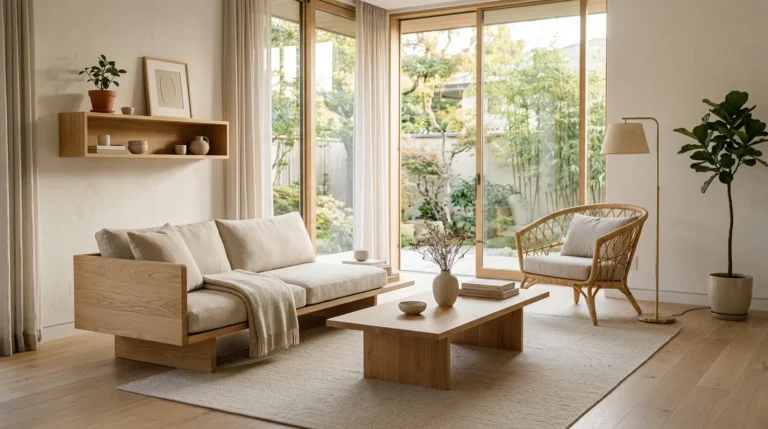
- Choose Light Wood Tones. Opt for ash, beech, or pine rather than dark mahogany. Light woods reflect natural light and keep the room feeling airy and open.
- Adopt a Neutral Color Palette. Stick to off-whites, greiges, and soft browns. These colors mimic nature and provide a calming backdrop for daily life.
- Select Low-Profile Furniture. Sofas and tables should sit closer to the ground. This lowers the visual center of gravity, making ceilings appear higher and rooms larger.
- Incorporate Natural Textiles. Use linen curtains, cotton slipcovers, and wool rugs. These fabrics add softness without introducing synthetic shine or noise.
- Practice Radical Decluttering. Apply the ma principle by removing non-essential items. Keep surfaces clear to allow energy to flow freely through the space.
- Display Handmade Ceramics. Choose imperfect, hand-thrown vases or bowls. These pieces add human touch and artistic value without being loud.
- Add Indoor Plants. Greenery brings life and improves air quality. Choose simple plants like snake plants or bonsai that fit the aesthetic without overwhelming the room.
- Install Warm Lighting. Use bulbs rated between 2700K and 3000K. Avoid cool blue light which disrupts circadian rhythms and feels clinical.
- Utilize Functional Storage. Storage should be hidden or built-in. Baskets made of seagrass or wooden cabinets keep clutter out of sight.
- Embrace Organic Shapes. Choose round coffee tables or curved chairs. Soft curves feel more natural and inviting than sharp, industrial angles.
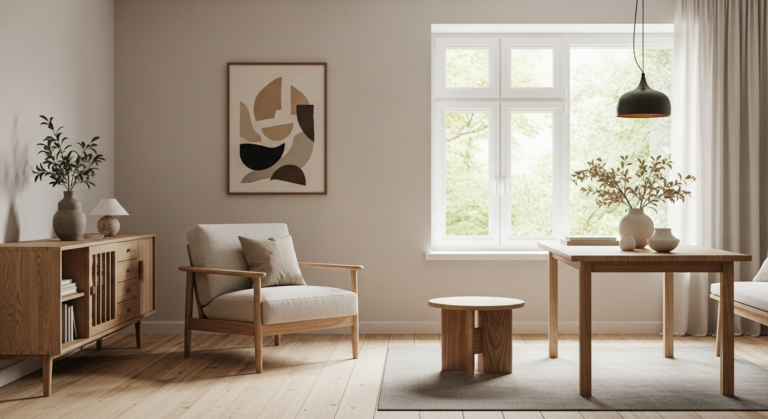
- Use Black Accents Sparingly. A black lamp or frame provides contrast and grounding. Use these accents to define spaces without dominating the palette.
- Layer Natural Fibers. Jute rugs and rattan chairs add texture. Layering different natural materials creates depth without adding color.
- Curate Art with Purpose. Hang minimal prints or ink wash paintings. Art should evoke calm and complement the wall color rather than distract from it.
- Include Floor Seating.
Get the 4casahome digest
Honest reviews and no-hype guides — straight to your inbox. No spam, unsubscribe anytime.
Some links in our articles are affiliate links. See our full Affiliate Disclosure for details.
Related Articles

Written and tested by our editorial team
4CasaHome Editorial Team
Interior Design & Smart Home Experts
All product reviews are based on hands-on testing in real home environments. Smart home content is verified by our CEDIA-certified integrator. Meet our team.