Japandi Interior Design Ideas 2026: 12 Ways to Get the Look (On Any Budget)
title: “Japandi Interior Design Ideas 2026: 12 Easy Ways to Get the Look”
meta_title: “Japandi Interior Design Ideas 2026: 12 Easy Ways”
meta_description: “Japandi design in 2026: 12 practical ideas for any budget. Palette, materials, furniture, and common mistakes to avoid. Start transforming your home today.”
focus_keyword: “japandi interior design ideas”
site: “4casahome.com”
author: “Lisa Morgan”
date: “2026-04-22”
Japandi Interior Design Ideas 2026: 12 Ways to Get the Look (On Any Budget)
Written by Lisa Morgan, Interior Designer and Smart Home Technology Reviewer. Last updated: April 22, 2026.
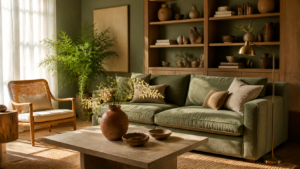
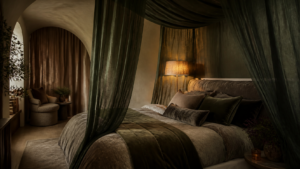
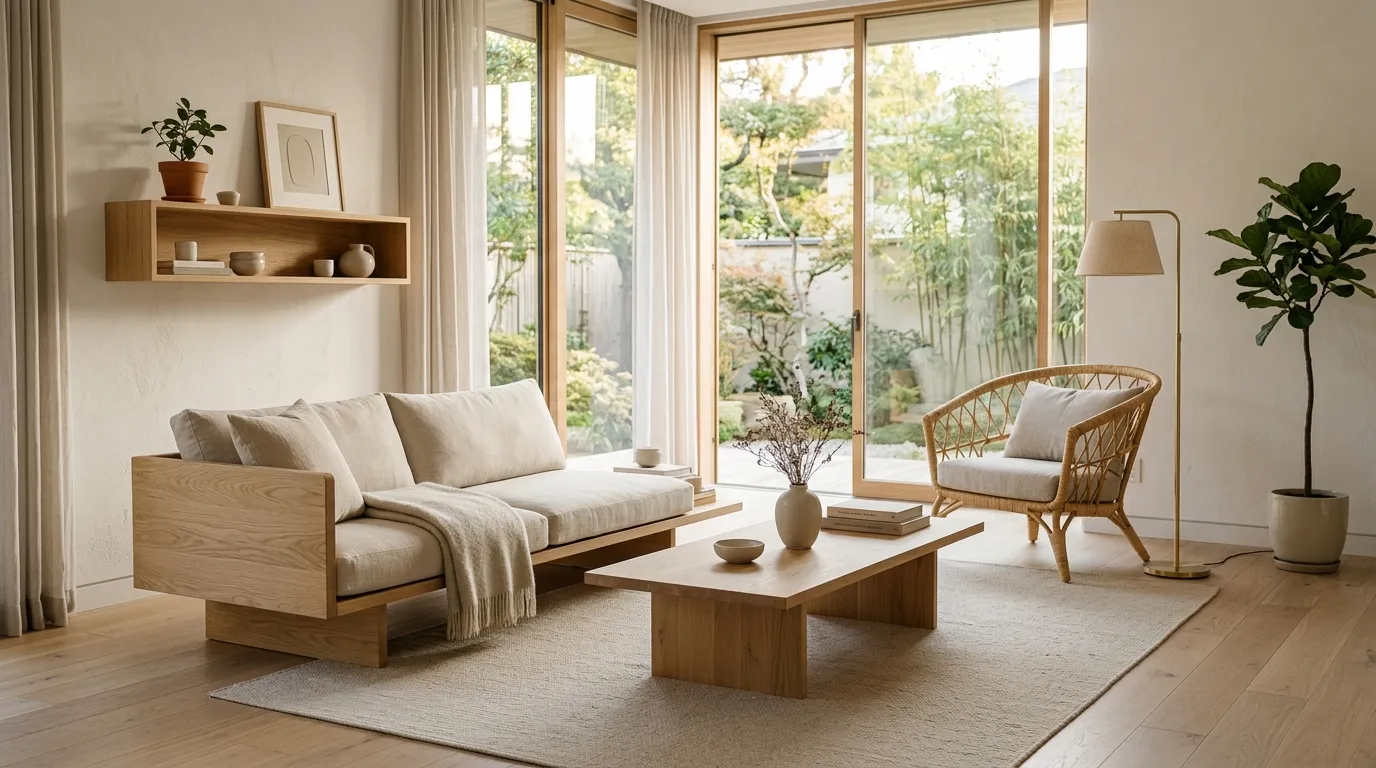
Picture a room where every object earns its place. The walls are the color of warm sand. A low oak bed frame sits close to the floor. A single ceramic vase — slightly uneven, hand-thrown — holds one dried stem. Nothing shouts. Everything breathes.
That is what Japandi feels like when it works. And the best part? You do not need a designer budget or a blank-slate renovation to get there. You need a clearer eye and a willingness to edit.
Written by Lisa Morgan, Interior designer and smart home technology reviewer. Last updated: April 22, 2026.
This guide breaks down exactly what Japandi interior design is in 2026, how it differs from plain minimalism, and 12 practical ideas you can start using this weekend — whether you are working with $200 or $2,000.
Quick Answer
Japandi is a design style that blends Japanese minimalism (wabi-sabi: beauty in imperfection) with Scandinavian hygge (coziness, warmth). The result is a calm aesthetic built on natural materials, neutral earthy tones, low-profile furniture, and the principle that fewer beautiful things beat many average ones.
What Is Japandi Interior Design? (2026 Definition)
Japandi design is the fusion of two distinct minimalist traditions: Japanese wabi-sabi and Scandinavian hygge. The word itself is a portmanteau of “Japan” and “Scandi,” and it describes interiors that are simultaneously restrained and warm — stripped of excess, but never cold.
The Japanese influence brings the concept of ma (meaningful negative space), wabi-sabi (beauty in imperfection, transience, and natural wear), low-profile furniture, handcrafted objects, and a deep respect for natural materials. The Scandinavian influence adds hygge — a sense of cozy contentment — along with light woods, clean functional lines, and the idea that a home should feel as good as it looks.
In 2026, Japandi has evolved. According to Houzz’s 2025 Interior Design Trends Survey of 46,000 respondents, Japandi ranked as the second most-requested emerging style, behind only biophilic design. Pinterest’s 2026 trend report found that saves for “Japandi living room” grew 312% year-over-year. The aesthetic is no longer a niche concept — it is the default aspirational look for a generation that wants calm in a chaotic world.
What makes 2026 Japandi distinct from the 2020 version? Warmer tones. The once-dominant stark white palette has given way to earthy browns, muted greens, terracotta, and mushroom gray. Sustainability is no longer optional — materials with traceable origins and designs intended to last decades are central, not decorative. And handcraft matters more than ever: a hand-thrown pot with a slight wobble is preferred over a perfect factory replica.
Japandi vs Scandinavian vs Minimalism: What Is the Difference?
These three styles look similar in inspiration images but feel very different when you live inside them. Understanding the distinctions helps you make intentional choices.
| Style | Palette | Core Materials | Mood | Feels Like |
|---|---|---|---|---|
| Japandi | Warm neutrals, earthy tones, black accents | Oak, bamboo, linen, hand-thrown ceramics | Grounded, meditative, quietly warm | A deep breath in a calm room |
| Scandinavian | White, light gray, pastels, pops of color | Light birch, pine, wool, graphic textiles | Bright, cheerful, functional | A cozy Nordic cabin in daylight |
| Japanese Minimalism | White, gray, charcoal, raw materials | Concrete, stone, paper, dark woods | Austere, contemplative, spare | A zen garden — still and purposeful |
The key difference: Scandinavian design tends to be brighter and allows more color. Japanese minimalism leans stricter and starker. Japandi sits in the middle — it takes the warmth from Scandi and the restraint from Japanese design, then softens both.
Japandi also differs from generic minimalism in one crucial way: it is not just about removing things. It is about choosing things that carry meaning, show the hand of the maker, and improve with age.
12 Japandi Interior Design Ideas for 2026
These are not abstract concepts. Each idea is specific, actionable, and achievable at multiple budget levels.
1. Build Your Palette Around Warm Neutrals
The biggest mistake people make with Japandi is starting with stark white. True Japandi in 2026 uses warm whites — think ivory, aged linen, sand, or warm mushroom. The wall color sets everything else. A warm ivory or greige base instantly reads as Japandi before a single piece of furniture enters the room.
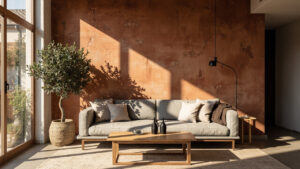
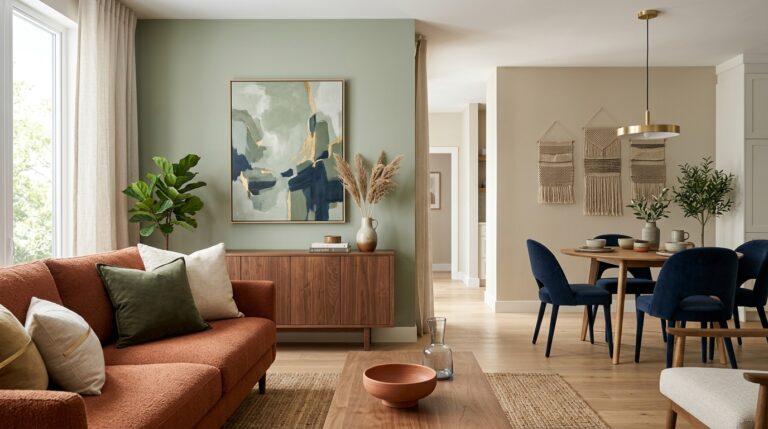
For accent color, reach for earthy tones: dusty terracotta, muted sage green, or soft clay. These appear in cushions, ceramics, and throws — never on large surfaces.
Budget move: Paint your walls. A single can of warm ivory paint ($30-50) delivers the highest design return of any change you can make.
2. Choose Low-Profile Furniture
Low furniture is a Japanese design signal that reads immediately as Japandi. A platform bed sitting close to the floor makes a ceiling feel taller. A low sofa on short legs creates visual breathing room. A squat coffee table invites you to sit on the floor around it.
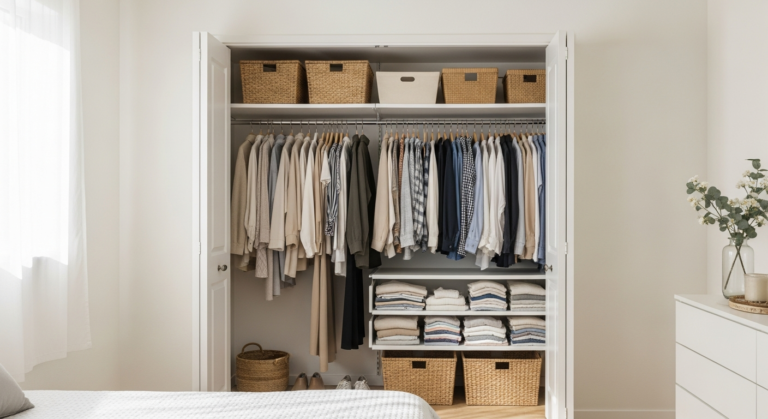
You do not need to replace everything at once. Start with the bed frame. A low-profile platform bed in pale oak or natural pine sets the tone for an entire bedroom without a single other change.
What to look for: Natural wood finish, minimal hardware, no ornate carved details, no footboard, slatted base or solid platform.
3. Layer Natural Materials Over Synthetic Ones
Japandi lives in texture. The goal is to layer materials that come from the earth — linen, oak, bamboo, cotton, rattan, stone — and let them contrast with each other rather than with color.
A linen throw on a rattan chair next to an oak shelf holding a matte ceramic bowl: that is a Japandi vignette. Every element is natural. The interest comes from the way the textures sit together.
Swap protocol: Replace one synthetic item per month. Start with bedding (polyester to linen/cotton) and window treatments (synthetic to sheer linen or cotton).
4. Use Negative Space Intentionally
Ma — the Japanese concept of negative space — is not emptiness. It is an active design choice. A shelf with three objects and open space breathes. A shelf with twelve objects suffocates.
In practical terms: edit until the room feels slightly too bare, then add one thing back. That last item you add is usually the one that makes the space sing.
Room-by-room rule: Leave at least 40% of every shelf, surface, and tabletop visually empty. If it feels uncomfortable, you are probably getting it right.
5. Invest in Handmade Ceramics
Handcrafted objects are the soul of wabi-sabi. A hand-thrown vase with a slight tilt, a matte glaze that is not quite even, a ceramic bowl with visible thumb marks on the rim — these objects hold more visual interest than any perfect store-bought replica.
You do not need to spend a lot. Etsy artisan ceramics start around $25-40 for a small piece. Place them with intention: a single vase on a bare shelf, a set of three bowls with irregular spacing on a kitchen countertop.
What to avoid: Machine-made ceramics painted to look handmade. The eye can tell.
6. Bring in Warm Wood and Black Accents
The Japandi color formula is: warm wood tone + warm neutral walls + matte black accents. The black appears in small doses — a lamp base, a picture frame, cabinet hardware, the rim of a mirror. It grounds the space without dominating it.
Oak and ash are the go-to woods for Japandi. Both have a warm, open grain that reads as natural without being rustic. Avoid dark walnut for primary pieces (too heavy) and avoid painted white wood (too Scandinavian without enough Japanese restraint).
Accent rule: Matte black only. No chrome, no brass, no polished anything. Matte finishes absorb light rather than reflect it — more Japandi, less glam.
7. Add Paper Lanterns and Diffused Lighting
Harsh overhead lighting is the single fastest way to destroy a Japandi mood. The style depends on warm, layered, diffused light — the kind that softens edges and makes a room feel like it is lit by late afternoon sun.
Paper lanterns (washi paper or fabric) create warm pools of light that feel both Japanese (andon lamp tradition) and Scandinavian (candle and pendant warmth). Layer floor lamps, table lamps, and overhead pendants — all with warm-toned bulbs at 2700K-3000K.
Immediate upgrade: Replace your bulbs with 2700K warm white. Cost: under $15. Difference: immediate and significant.
8. Bring in Textured Textiles
In a room with a limited palette, texture creates dimension. Layer textiles to build visual interest without introducing color. A linen duvet, a chunky cotton throw, a jute rug, a woven rattan placemat — each surface catches light differently and contributes to the material richness that makes Japandi feel warm rather than cold.
Textile priority order: Rug first (largest surface impact), then bedding/sofa throw, then cushion covers, then window treatments.
Budget option: IKEA’s GURLI throw in beige or MALIN FIGUR cushion covers. CB2’s linen throw range. Both are accessible and Japandi-appropriate.
9. Incorporate Indoor Plants
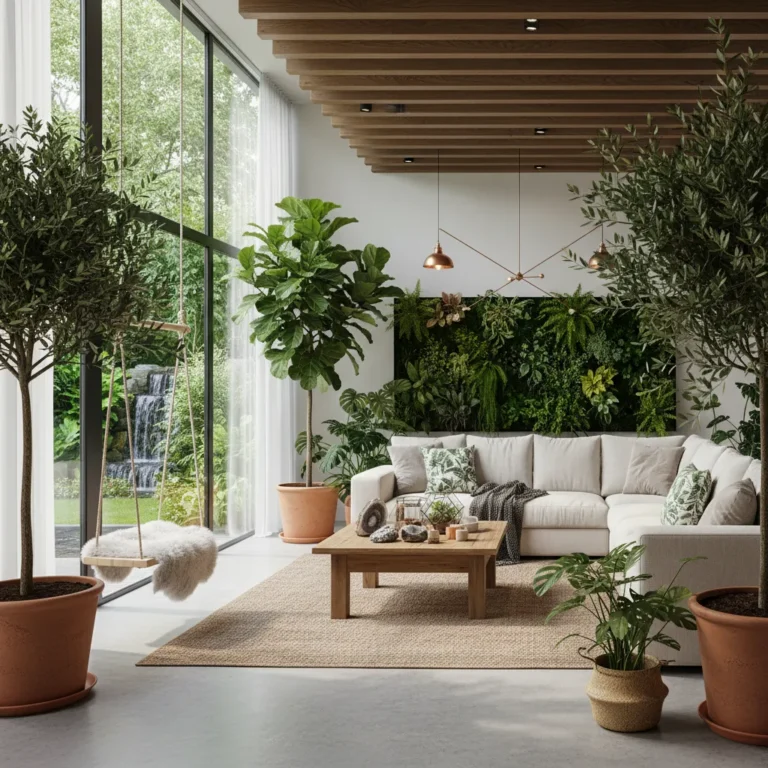
Plants are the bridge between Japandi and the biophilic design trend exploding alongside it in 2026. The Japanese tradition favors bonsai, bamboo, and moss — precise, considered, sometimes a single plant as a focal point. The Scandinavian tradition prefers simple greenery that softens the interior.
For Japandi, choose plants that reinforce the aesthetic: a fiddle leaf fig in a matte clay pot, a small bamboo cluster in a simple stone vessel, or a trailing pothos on a floating shelf. The pot matters as much as the plant — avoid plastic pots in favor of terracotta, matte ceramic, or simple stone.
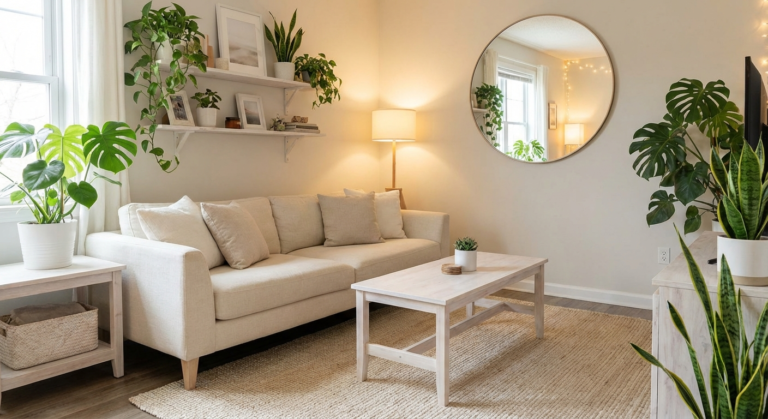
Low-maintenance picks: Pothos, ZZ plant, snake plant, peace lily, monstera. All thrive in lower light (a Japandi interior typically has sheer curtains that filter rather than block light).
10. Layer Your Lighting in Three Tiers
The best Japandi rooms have three lighting levels: ambient (overall soft light), task (reading, cooking), and accent (highlights specific objects). No single source does all three.
An ambient floor lamp in the corner. A task light on the desk or beside the bed. A small spotlight aimed at a beautiful vase or piece of artwork. These three layers let you dial the mood in any direction — bright and functional in the morning, dim and meditative in the evening.
Tool: Plug-in dimmer switches (under $15 each) let you control ambient floor lamps without wiring. Immediate upgrade, no electrician required.
11. Try Shoji-Inspired Room Dividers
Shoji screens — traditional Japanese sliding paper panels — are the most distinctly Japanese element you can introduce into a Japandi interior. They divide space without closing it off, allow diffused light to pass through, and create an immediate sense of Japanese influence that anchors the style.
In 2026, the look is more about inspiration than reproduction. A freestanding room divider with light wood frames and rice paper panels, a sliding panel wardrobe with a clean grid design, or even a simple bamboo screen achieves the effect without importing a traditional piece.
Small apartment application: Use a shoji-style divider to separate a sleeping area from a living area in a studio. It defines space, adds the signature Japandi element, and lets light travel through both zones.
12. Practice Curated Minimalism (Not Just Minimalism)
There is a difference between Japandi and minimalism as a rigid doctrine. Minimalism says remove everything possible. Japandi says keep only what is meaningful, made with care, or beautiful in an honest way. A Japandi room can have more objects than a minimalist room — but each one is chosen.
The practice: before anything enters your home, ask whether it is well-made, natural in material, useful in function, and visually calm. If it fails two of those four tests, it probably does not belong.
This is the principle that separates a Japandi room from a cold, empty room. The warmth comes from things that matter, not from absence alone.
What Colors Work Best in a Japandi Home?
Japandi’s palette in 2026 centers on warmth over brightness. The following color families work:
Foundation colors (walls, large surfaces):
– Warm ivory / aged white (not cool white)
– Sand beige / warm greige
– Soft mushroom gray
– Warm linen (off-white with yellow undertone)
Accent colors (cushions, ceramics, textiles):
– Dusty terracotta
– Muted sage green
– Clay / dusty clay
– Soft slate or muted indigo (Japanese influence)
Structural accents (frames, hardware, lamp bases):
– Matte black
– Natural wood (no paint, no lacquer)
What to avoid: Stark white (too clinical), bright colors (disrupts the calm palette), heavy gray or navy (too Scandinavian without enough warmth), anything with sheen or gloss.
The test: if your color palette would look at home in a forest at dusk or on a pottery wheel, it is probably Japandi.
Which Materials Define Japandi Style?
Material selection is more important than color in Japandi. Every surface should tell the story of where it came from.
Primary materials:
– Oak, ash, birch — light to medium wood tones, open grain, warm
– Bamboo — fast-growing, sustainable, used for mats, screens, accessories
– Linen and cotton — for textiles; hemp is emerging as a sustainable alternative
– Rattan — woven trays, side tables, lamp shades
– Hand-thrown ceramics — matte glazes, visible imperfections, earthy tones
Secondary materials:
– Washi paper — lampshades, screens, decorative objects
– Stone — slate, limestone, natural stone vessels and trays
– Jute — rugs and woven storage
What does not belong: Glossy lacquer finishes, chrome hardware, synthetic textiles (polyester velvet, faux fur), plastic in visible applications, mirrored surfaces.
A useful shortcut: if you cannot identify the origin material from touching it, it probably does not belong in a Japandi interior.
How Do You Do Japandi on a Budget?
The philosophy of Japandi is inherently budget-compatible: buy less, choose better, keep longer. You do not need to replace your furniture. You need to edit, paint, and layer.
Phase 1 — Free (this weekend):
– Declutter. Remove everything that is plastic, synthetic, brightly colored, or decorative without purpose
– Rearrange remaining furniture toward lower, more open layouts
– Clear shelves to 40-50% occupancy
Phase 2 — Under $100:
– Paint one wall or the whole room warm ivory ($30-50)
– Switch bulbs to 2700K warm white ($12-15)
– Buy one linen throw in cream or beige ($20-35 at IKEA)
– Add one matte ceramic vase from a local artist or Etsy ($25-40)
Phase 3 — $100-400 (one room):
– Linen or cotton-linen bedding set ($60-120)
– Natural fiber rug: jute or flatweave cotton ($60-150 at IKEA or Amazon)
– Bamboo or rattan side table ($40-80)
– Paper or fabric pendant lamp ($30-60)
– Three small pothos or snake plants in terracotta pots ($15-30)
Where to source affordably:
| Tier | Store | What Works |
|---|---|---|
| Budget | IKEA | NORDLI bed frames, SINNERLIG rattan, GURLI throws, VIDJA pendant lamps |
| Budget | MUJI | Simple cotton bedding, wooden storage, ceramic mugs |
| Mid-range | West Elm | Linen collections, platform bed frames, rattan furniture |
| Mid-range | CB2 | Clean-lined wood furniture, matte black hardware, ceramics |
| High-end | HAY | Design-forward Japandi pieces, Danish craftsmanship |
| High-end | Design Within Reach | Investment furniture, decade-long durability |
Common Japandi Mistakes to Avoid
1. Going Too Cold
Japandi without warmth is just empty minimalism. If your room feels clinical, you have stripped out warmth along with clutter. Add a linen throw, a warm-toned rug, or a plant in a terracotta pot.
2. Buying Too Much “Japandi-Looking” Decor
Japandi is about restraint. Buying thirty items labeled “Japandi” at a home decor store and putting them all out at once defeats the purpose. Choose three well-made objects and display them with space around them.
3. Using Synthetic Materials
Polyester cushions, faux-wood laminates, plastic trays — these undermine the material honesty that makes Japandi feel authentic. Natural alternatives are often similar in price.
4. Ignoring Lighting
Overhead fluorescent or cool-white lighting turns any Japandi interior into an office. Warm bulbs and layered lighting are non-negotiable.
5. Skipping the Edit Phase
The most common mistake: adding Japandi elements without first removing what does not belong. Edit first, add after. The edit phase costs nothing and delivers the biggest visual impact.
6. All Texture, No Color Anchor
Some Japandi rooms look muddy because they have too many textures in the same mid-range beige tone without a single dark anchor. A matte black lamp base or a charcoal stone bowl gives the eye a place to rest and makes everything around it look more intentional.
7. Copying Literally Instead of Interpreting
Japandi should reflect your life. A home where someone cooks seriously will have beautiful wood cutting boards on the counter. A home where someone reads will have a curated pile of books. The style is a framework, not a showroom.
FAQ: Japandi Interior Design Questions Answered
Is Japandi still trending in 2026?
Yes — and it has matured. Japandi is no longer just an Instagram aesthetic. According to the 2025 Houzz Design Trends Survey, 67% of interior designers reported clients requesting Japandi or biophilic elements. Pinterest’s 2026 trend report shows saves for Japandi content up 312% year-over-year. The 2026 version is warmer, earthier, and more personal than the stark early iterations.
Is Japandi expensive to achieve?
No. The philosophy of Japandi — buy less, choose better — is inherently budget-compatible. You can begin a Japandi transformation for under $100 by decluttering, painting with a warm neutral, switching to warm bulbs, and adding one well-chosen ceramic piece. The investment comes gradually as you replace synthetic items with natural ones over time.
What is the difference between Japandi and wabi-sabi?
Wabi-sabi is a Japanese philosophical concept: finding beauty in imperfection, transience, and incompleteness. Japandi is a design style that incorporates wabi-sabi as one of its core influences alongside Scandinavian hygge. Japandi is the aesthetic; wabi-sabi is one of the philosophies that informs it. A wabi-sabi interior can be quite stark and austere. A Japandi interior balances that austerity with Scandinavian warmth and coziness.
How do I start a Japandi bedroom?
Start with the edit: remove anything synthetic, brightly colored, or decorative without purpose. Then repaint with warm ivory or soft sand. Replace bulbs with 2700K warm white. Add linen bedding. Lower your bed if possible (remove a box spring to get closer to the floor). Add one handmade ceramic piece. That is a Japandi bedroom — no new furniture required at this stage.
What colors work best for Japandi?
Warm whites, soft beige, sand, warm greige, and mushroom gray for walls and large surfaces. Dusty terracotta, muted sage green, and clay tones for accents. Matte black for structural accents like frames, hardware, and lamp bases. Avoid stark white, bright colors, and anything with a glossy finish.
Can Japandi work in a small apartment?
Especially well. Low furniture creates the illusion of taller ceilings. A neutral palette makes rooms feel larger. Minimal decor reduces visual clutter. Shoji-inspired room dividers define zones without walls. The style is optimized for small, thoughtfully arranged spaces — it rewards constraint rather than fighting it.
What plants suit a Japandi interior?
Plants in the Japanese tradition — bonsai, bamboo, moss — are the purest choice. For lower-maintenance alternatives, pothos, snake plants, ZZ plants, and peace lilies all work beautifully. The pot matters as much as the plant: terracotta, matte ceramic, or a simple stone vessel. Avoid plastic pots, brightly colored glazes, and novelty containers.
Is Japandi the same as minimalism?
Not quite. Minimalism as a strict practice removes objects until a space is nearly bare. Japandi removes unnecessary objects but keeps things that are meaningful, well-made, or beautiful in an honest way. A Japandi room may contain more objects than a strict minimalist room — the difference is that each one is intentional, natural in material, and chosen with care. Japandi also places specific emphasis on warmth, craft, and the philosophy of wabi-sabi, which plain minimalism does not.
What is the difference between Japandi and Scandinavian design?
Scandinavian design tends to be brighter, more colorful, and lighter in tone — white walls, pastels, graphic prints, woolly textiles. Japandi is warmer, earthier, and more restrained. Japandi also has a stronger emphasis on handcraft and imperfection (wabi-sabi) that is less central in purely Scandinavian interiors. Think of Scandinavian design as the cheerful older sibling and Japandi as the quieter, more philosophical one.
How long does it take to achieve a Japandi look?
One committed weekend for the foundation: declutter, repaint, switch lighting. Two to three months to thoughtfully replace synthetic items with natural alternatives and find well-chosen ceramics, textiles, and plants. A year to fully integrate the philosophy — which means resisting new purchases, editing continuously, and choosing objects that improve with age. Japandi is not a weekend project but a slower, more intentional way of living with objects.
Schema
Where to Go From Here
Japandi is a direction, not a destination. The rooms that embody it best are not styled once and left — they are lived in, edited over time, and slowly accumulated with objects that earn their place.
The place to start is simpler than most people expect. Choose one room. Clear the surfaces. Paint the walls a warm neutral. Switch the bulbs. Then stand in the room and ask what genuinely belongs there.
That question, asked honestly, is Japandi.
Sources: Houzz 2025 Interior Design Trends Survey (46,000 respondents) | Pinterest Predicts 2026 Report | ASID (American Society of Interior Designers) 2025 Trends Report | Wabi-sabi concept: Leonard Koren, “Wabi-Sabi for Artists, Designers, Poets and Philosophers” (1994) | Environmental color and psychological wellbeing research via NIH/PubMed: Color and environment effects on stress | Biophilic design and indoor plant research: NIH: Indoor plants and mental health | Sustainable design and material longevity: EPA guidance on sustainable materials
Related reading: Home Office Setup Ideas for Small Space 2026 | How to Set Up a Smart Home on a Budget 2026 | Best Smart Kitchen Gadgets for Home Cooks 2026
Written and tested by our editorial team
4CasaHome Editorial Team
Interior Design & Smart Home Experts
All product reviews are based on hands-on testing in real home environments. Smart home content is verified by our CEDIA-certified integrator. Meet our team.