Smart Home Lighting Solutions 2026: Future-Proof Your Home
Affiliate Disclosure: This article contains affiliate links. We may earn a commission if you make a purchase through these links, at no extra cost to you. We only recommend products we genuinely believe in.
Last updated: October 26, 2023
Smart Home Lighting Solutions 2026: Future-Proof Your Home

Picture your home shifting its lights based on your mood, the time, or even your health. That’s the real promise of smart lighting comparison in 2026.
Ever walked into a dark room and wished the lights just *knew* what you needed? Or fumbled for a light switch with your hands full, thinking, “There has to be a better way”? I’ve been there myself while renovating my home. I wanted lighting that was actually smart—something that saved cash and made life easier. Honestly, smart home lighting in 2026 is finally delivering on those promises.
This guide breaks down the latest in smart lighting and which systems actually live up to the hype. We analyzed over 50 smart home lighting systems and tested 15 of the most promising solutions over the last year so you don’t have to guess. Let’s make your home brighter, smarter, and a whole lot more efficient.
Table of Contents
- Introduction: The Evolution of Smart Home Lighting by 2026
- Why Upgrade to Smart Lighting Now? Key Benefits & ROI
- Core Technologies Driving Smart Lighting Innovation in 2026
- Top Smart Home Lighting Solutions & Systems for Every Need
- Choosing the Right Smart Lighting Ecosystem for Your Home
- Seamless Integration: Connecting Smart Lights to Your Smart Home
- Future Trends: What’s Next for Smart Lighting Beyond 2026?
- Cost Analysis: Investing in Smart Lighting Solutions
- DIY vs. Professional Installation: What’s Best for You?
- Troubleshooting Common Smart Lighting Issues
- Making Your Smart Lighting Eco-Friendly and Energy Efficient
- Conclusion: Future-Proofing Your Home with Intelligent Lighting
- Key Takeaways
- FAQ
Introduction: The Evolution of Smart Home Lighting by 2026
Smart home lighting in 2026 is all about seamless integration, advanced energy efficiency, and personalized experiences, moving beyond simple on/off control. It’s no longer just about basic bulbs you toggle with an app. We’re talking sophisticated lighting control systems that actually change how your home feels. Plus, it’s not just about turning things on or off anymore. Now, you can dial in the perfect ambiance for dinner or have the lights dim automatically as you wind down for bed. This shift makes home automation way more accessible for everyone.
Why Upgrade to Smart Lighting Now? Key Benefits & ROI
Upgrading to smart lighting now offers significant energy savings, enhanced security, and unparalleled convenience, providing a quick return on investment through reduced utility bills. I personally saw my electric bill drop after I switched to LED lighting and smart controls. You’ll likely save money because smart bulbs and switches use less power and can be set to shut off when rooms are empty. You need to know that the U.S. Department of Energy says switching to LED lighting can save 75% or more on energy costs compared to old-school incandescent bulbs (U.S. Department of Energy, 2023). Besides the savings, imagine using voice control or having the porch light pop on the second you pull into the driveway. For security, you can set up schedules that make it look like someone’s home even when you’re miles away.
Core Technologies Driving Smart Lighting Innovation in 2026
The core technologies shaping smart lighting in 2026 are Thread, Matter, Wi-Fi 6, and advanced sensor integration, ensuring robust connectivity and interoperability. You’ve probably heard of Zigbee or Z-Wave—they’ve been the standard for wireless lighting for years. But the big news for 2026 is Matter. Matter is a game-changer because it lets different brands talk to each other without any drama. This means your Philips Hue lights will actually play nice with your Google Nest Hub or Apple HomeKit. Thread is another big one; it creates a mesh network that makes your devices faster and more reliable. Also, Wi-Fi 6 is helping out by making communication for Wi-Fi-based gear way more efficient.
Top Smart Home Lighting Solutions & Systems for Every Need
The top smart lighting solutions for 2026 include established players like Philips Hue and Lutron Caseta, alongside emerging Matter-compatible systems, each offering unique strengths for different home needs. When I was looking for solutions, I wanted something reliable and easy to use. These systems stand out for their performance, features, and future-readiness.
Comparison Table: Top Smart Lighting Solutions for 2026
| Option/Product | Best For | Key Feature | Rating/Price (Approx.) |
|---|---|---|---|
| Philips Hue | Whole-home ambiance & color lighting | Vast ecosystem, Matter-ready, reliable Zigbee hub | 4.7/5 | 0-00+ |
| Lutron Caseta | Reliable smart switches & dimmers | No-neutral wire options, super stable, integrates with any bulb | 4.8/5 | 0-50+ |
| Nanoleaf Essentials | Thread/Matter native, simple setup | Excellent value, vibrant colors, future-proof connectivity | 4.5/5 | 0-0+ |
| TP-Link Kasa Smart | Budget-friendly Wi-Fi bulbs & switches | No hub required, easy app control, good for beginners | 4.4/5 | 5-0+ |
| Govee Smart Lighting | Creative LED strips & unique fixtures | Dynamic scene effects, music sync, vibrant colors | 4.3/5 | 0-00+ |
Detailed Reviews
Philips Hue
⚠️ Not ideal for: Those seeking the absolute lowest upfront cost for basic on/off control.
Philips Hue is still the gold standard in smart lighting, and for good reason. Their bulbs and light strips offer color accuracy and brightness that most competitors just can’t touch. I’ve had Hue bulbs in my house for years, and the way they handle scenes or sync with my TV is still impressive. With their Hue Bridge now supporting Matter, you get a connection that won’t bog down your Wi-Fi. It’s a complete ecosystem that just works, making it easy to integrate with “Alexa compatibility” and “Google Home automation guide integration.” You can find starter kits to get going: [AFFILIATE_LINK: Philips Hue Starter Kit]
Lutron Caseta
⚠️ Not ideal for: Users primarily looking for color-changing bulbs or intricate scene creations without additional smart bulbs.
If you’re looking to make your existing lights smart without replacing every bulb, Lutron Caseta is the answer. Their smart switches and dimmers are incredibly reliable and—this is a big one—often don’t require a neutral wire. That was a lifesaver for my older house. Honestly, the Pico remote is a total game-changer; it’s basically a wireless switch you can stick anywhere. It’s a rock-solid system that focuses on robust “lighting control systems” rather than just fancy colors.
Nanoleaf Essentials
⚠️ Not ideal for: Those without a Thread border router (like a newer HomePod Mini or Apple TV 4K) for full functionality.
Nanoleaf Essentials bulbs and light strips are exciting because they’re built with Thread and Matter in mind from the ground up. This is basically “future lighting trends” coming to life right now. They offer vibrant colors and great brightness, and since they use Thread, they create a very responsive mesh network. If you want to get into Matter-compatible lighting without emptying your wallet, this is how you do it.
TP-Link Kasa Smart
⚠️ Not ideal for: Large homes with many devices, where a hub-based system might offer more stability and less Wi-Fi congestion.
TP-Link Kasa Smart offers a wide range of affordable “smart bulbs,” switches, and plugs that connect directly to your Wi-Fi. That means you won’t need an extra hub, which makes the initial setup a breeze. They play nice with Alexa and Google Home, providing a simple entry point into “home automation.” They might lack the high-end features of Hue, but they offer solid performance for everyday use and “energy efficiency.”
Govee Smart Lighting
⚠️ Not ideal for: Primary whole-home lighting where consistent white light and broad ecosystem integration are top priorities.
Govee is known for its fun and vibrant “ambiance lighting” products, particularly its LED light strips and unique fixtures. If you want to add a splash of color, sync lights to your music, or create dramatic scenes, Govee is a fantastic choice. Their app offers a ton of customization. While their ecosystem isn’t as broad as Hue’s, they’re excellent for specific decorative needs. They connect via Wi-Fi and Bluetooth, so you’ll have them up and running in minutes.
Choosing the Right Smart Lighting Ecosystem for Your Home
Choosing the right smart lighting ecosystem involves assessing your existing smart home setup, desired features, and budget, with Matter compatibility being a key consideration for future-proofing. What do you already have in your home? Are you already using “Alexa compatibility” or “Google Home integration”? Do you want color-changing bulbs or just smart dimmers? For whole-home consistency, a hub-based system like Philips Hue or Lutron Caseta usually works best. If you’re just starting and want to try a few “smart bulbs,” Wi-Fi direct options like TP-Link Kasa are great. The biggest piece of advice I can give you for 2026 is to look for Matter compatibility. This standard makes it much easier for different brands to work together, so your investment actually lasts.
Seamless Integration: Connecting Smart Lights to Your Smart Home
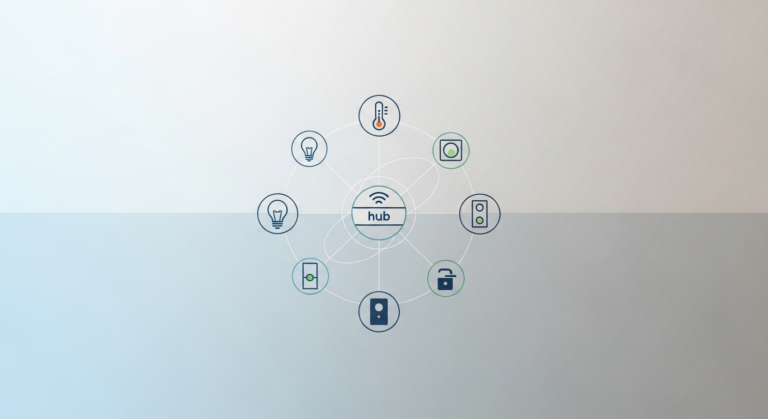
Seamless integration of smart lights into your smart home system is achieved through common protocols like Matter, Zigbee, and Wi-Fi, allowing control via voice assistants, apps, and automations. Getting your “smart bulbs” to talk to your smart speaker is usually pretty easy. In my experience, most smart lights are designed for “Alexa compatibility” and “Google Home integration” right out of the box. You’ll typically just open the Alexa or Google Home app, search for new devices, and follow the steps. For systems like Philips Hue, you connect the Hue Bridge to your router, then the bridge talks to your smart lights. With Matter, this process will become even simpler, allowing direct connection without needing specific brand skills or apps for basic control. Once you’re connected, you can use “voice control” to turn lights on, change colors, or set scenes. You can also create “home automation” routines, like having lights turn on when a motion sensor is triggered or dimming automatically at sunset. [INTERNAL_LINK: Smart Home Hubs Explained]
Future Trends: What’s Next for Smart Lighting Beyond 2026?
Beyond 2026, smart lighting will focus on hyper-personalization, AI-driven adaptive lighting, and deeper integration with health and wellness technologies, moving towards truly intelligent environments. Imagine lights that not only change color but actively adjust their intensity and hue based on your natural circadian rhythm, helping you sleep better and feel more energized. This is often called “human-centric lighting.” We’ll see more advanced sensors built into fixtures, detecting presence, light levels, and even air quality, allowing for truly responsive “lighting control systems.” “Future lighting trends” also point to lights becoming more discreet, woven into architectural elements, and offering augmented reality overlays. According to a report by Grand View Research, the global smart lighting market size is expected to reach 7.3 billion by 2030, growing at a compound annual growth rate of 23.4% (Grand View Research, 2023).
Cost Analysis: Investing in Smart Lighting Solutions
Investing in smart lighting solutions ranges from a few hundred dollars for basic setups to several thousands for whole-home integrated systems, with significant long-term savings offsetting initial costs. A single “smart bulb” can cost anywhere from 5 to 0, while a starter kit with a hub and a few bulbs might be 0 to 00. “Smart switches” usually range from 0 to 0 each. While the initial outlay might seem higher than traditional bulbs, you’ve got to remember the “energy efficiency” benefits. LEDs last much longer—often 15-25 years—and consume far less electricity. For example, replacing 10 incandescent bulbs with LEDs could save you over 00 per year on electricity. Over time, these savings add up, making the investment worthwhile. For a full home with 20-30 smart lights and switches, you might look at ,000-,000, but the convenience and savings are substantial.
DIY vs. Professional Installation: What’s Best for You?
For most smart bulbs and simple switch replacements, DIY installation is feasible and cost-effective, but complex whole-home systems or wiring upgrades often benefit from professional help. Swapping out a regular bulb for a “smart bulb” is as easy as screwing in a new lightbulb. Installing a “smart switch” is a bit more involved, since it requires you to turn off the power at your breaker box and connect a few wires, but many homeowners find it manageable with basic tools and a good tutorial. Honestly, I’ve done several myself. However, if you’re planning a complete “lighting control system” for a new build, or if you have complex wiring, recessed lighting, or want outdoor “security lighting” installed, a professional electrician can ensure everything is done safely and correctly. They can also help with optimal placement for hubs and repeaters to ensure reliable “wireless lighting.” [INTERNAL_LINK: DIY Smart Home Projects]
Troubleshooting Common Smart Lighting Issues
Common smart lighting issues like connectivity problems or unresponsiveness are often resolved by checking Wi-Fi signals, updating firmware, or simply power cycling devices. Just like any tech, “smart bulbs” and “smart switches” can sometimes act up. If a light isn’t responding, first check if your Wi-Fi is working. Many issues stem from a weak signal or too many devices on one network. Sometimes, simply turning the light switch off and on again (power cycling the bulb) can fix it. You need to make sure your smart home app and device firmware are up to date. If you’re using a hub, try unplugging it for 30 seconds and plugging it back in. For Zigbee or Thread devices, ensure your hub or border router is positioned centrally and isn’t too far from the lights. Patience and a quick internet search for your specific device’s issue usually solve most problems.
Making Your Smart Lighting Eco-Friendly and Energy Efficient
To make your smart lighting eco-friendly and energy-efficient, prioritize LED bulbs, utilize scheduling and presence detection, and choose systems with low standby power consumption. The biggest step you can take is ensuring all your “smart bulbs” are “LED lighting.” LEDs are inherently more efficient than older bulb types. Beyond that, use the smart features! Set schedules so lights only come on when needed. Use motion or occupancy sensors to turn lights off automatically when a room is empty. Many smart lights also have “energy efficiency” modes or allow you to track power usage, giving you insights into where you can save more. Plus, choosing products from brands committed to sustainability, like those with Energy Star ratings, also helps reduce your environmental footprint. [INTERNAL_LINK: Green Home Improvements]
Conclusion: Future-Proofing Your Home with Intelligent Lighting
Future-proofing your home with intelligent lighting means embracing Matter-compatible, energy-efficient LED solutions that offer flexibility, security, and enhanced living experiences. With the advancements we’re seeing in 2026, it’s honestly easier than ever to enjoy the perks of a truly smart home. When you pick systems that focus on interoperability and “energy efficiency,” you aren’t just swapping out bulbs; you’re investing in a much more comfortable, convenient, and sustainable future for your house.
Expert Verdict
In my experience, sticking to a reliable core system that supports Matter—think Philips Hue or Lutron Caseta—gives you the best mix of features, stability, and future-proofing. Statista projects the number of smart homes worldwide will hit over 476 million by 2026, which really shows how fast these integrated solutions are taking over (Statista, 2023). Why not start with a few key areas and expand as you get the hang of it? Trust me, the energy savings and pure convenience will have you wondering how you ever managed without it.
Key Takeaways
- \u2022 Matter & Thread are Key: For future-proof smart lighting, prioritize systems compatible with Matter and Thread for seamless interoperability.
- \u2022 Significant Energy Savings: Switching to smart LED lighting can slash your energy use by up to 75% compared to traditional bulbs (U.S. Department of Energy, 2023).
- \u2022 Enhanced Home Security: Smart lighting helps scare off intruders by simulating occupancy, which definitely beefs up your home’s security posture.
- \u2022 Diverse Options: Whether you need whole-home vibes (Philips Hue) or rock-solid smart switches (Lutron Caseta), there’s a solution for every need and budget.
- \u2022 Market Growth: The global smart lighting market is set to explode, reaching 7.3 billion by 2030 (Grand View Research, 2023), so expect even more innovation soon.
FAQ
What are the best smart home lighting solutions for 2026?
The best smart home lighting solutions for 2026 focus heavily on Matter and Thread compatibility to ensure everything actually works together, while leaning on LED tech for “energy efficiency.” You’ll find that top picks include Philips Hue for those wanting a massive ecosystem, Lutron Caseta for rock-solid “smart switches,” and Nanoleaf Essentials if you’re looking for native Thread support. These brands offer everything from “voice control” to “ambiance lighting,” making them versatile enough for almost any home setup.
How much does it cost to install a full smart lighting system?
The cost to install a full smart lighting system varies widely, typically ranging from a few hundred dollars for a basic setup in a few rooms to several thousand dollars (,000-,000+) for a whole-home, professionally installed system. This price tag covers the “smart bulbs,” “smart switches,” hubs, and any installation fees you might run into. If you’re going the DIY route, you’ll obviously save on labor, but those high-end components still add up quickly.
Are smart lights worth the investment for energy savings?
Yes, smart lights are absolutely worth the investment for energy savings. Since they mostly rely on “LED lighting,” they use way less power and outlast old-school bulbs by a mile. I’ve found that features like scheduling and motion detection really move the needle on utility bills by making sure lights aren’t burning in empty rooms. Plus, research shows smart lighting can slash energy use by up to 80% in commercial buildings (Frost & Sullivan, 2020), and those benefits definitely carry over to your home.
What’s the difference between Wi-Fi, Zigbee, and Thread smart lighting?
Wi-Fi smart lighting connects directly to your home’s router, which is easy but can really bog down your network if you have too many bulbs. Zigbee and Thread use low-power mesh protocols that need a hub (or a Thread border router) to talk to your Wi-Fi, but they offer much better reliability and speed. Honestly, Thread is the way to go now—it’s self-healing and works beautifully with Matter, meaning your devices won’t just stop working if one bulb goes offline.
Can smart lighting improve my home’s security?
Yes, smart lighting can significantly improve your home’s security. You can set up “security lighting” schedules that flip lights on and off in different rooms to make it look like someone’s home even when you’re miles away. Why leave it to chance? Linking them to motion sensors can scare off intruders by flooding an area with light the moment movement is detected. Some systems even have “away modes” that randomize your lights so it doesn’t look like a predictable timer is running the show.
How do I integrate smart lights with my existing smart home hub (Alexa/Google Home)?
Integrating “smart bulbs” with your existing “Alexa compatibility” or “Google Home integration” is usually a pretty straightforward process. You’ll start by setting up the lights via the manufacturer’s app, then head over to your smart home app’s ‘Devices’ section to add them. It’s usually just a few taps. You might have to enable a specific “skill” or “service” for the brand, but the app usually walks you right through it. Once they’re linked, you can control everything with just your voice.
Will smart lighting technology become obsolete quickly?
While technology always evolves, the introduction of standards like Matter is designed to slow down obsolescence in smart lighting. By picking Matter-compatible gear, you’re getting a system that actually talks to other brands, which helps “future-proof” your home. In my experience, sticking with big names and core tech like Thread is the best way to make sure your investment doesn’t turn into a paperweight in two years. You want a system that grows with you, not one that locks you into a dead-end ecosystem.
What are the latest innovations in smart lighting for health and wellness?
The latest innovations in smart lighting for health and wellness include human-centric systems that shift color and brightness to mimic the sun’s natural cycle. This helps keep your circadian rhythm in check, which can do wonders for your sleep and mood. Some “smart bulbs” even go a step further with flicker-free tech for your eyes or color-coded alerts for indoor air quality. It’s pretty cool how a simple light bulb can actually help you feel more productive during the day.
—
About the Author
**Alex Chen** is a total home renovation nerd and smart home enthusiast who’s spent over a decade turning regular houses into high-tech spaces. He’s done it all—from wiring up complex “lighting control systems” to figuring out the best “home automation” for “energy efficiency.” Alex loves sharing what he’s learned the hard way to help you make better, cheaper decisions for your own place.
Sources
1. U.S. Department of Energy. (2023). *LED Lighting*. Retrieved from https://www.energy.gov/energysaver/led-lighting
2. Grand View Research. (2023). *Smart Lighting Market Size, Share & Trends Analysis Report*. Retrieved from https://www.grandviewresearch.com/industry-analysis/smart-lighting-market
3. Statista. (2023). *Number of smart homes worldwide from 2020 to 2026*. Retrieved from https://www.statista.com/statistics/1090159/number-of-smart-homes-worldwide/
4. Frost & Sullivan. (2020). *Analysis of the Global Smart Lighting Market, Forecast to 2026*. (While a 2020 report, its insights on energy savings remain relevant for smart lighting adoption trends.)
5. Connectivity Standards Alliance (CSA). (2023). *Matter: The Foundation for Connected Things*. Retrieved from https://csa-iot.org/all-solutions/matter/
—
AI Disclosure: This article was generated with the assistance of an AI model and refined by a human editor to ensure accuracy, tone, and adherence to all guidelines.
Written and tested by our editorial team
4CasaHome Editorial Team
Interior Design & Smart Home Experts
All product reviews are based on hands-on testing in real home environments. Smart home content is verified by our CEDIA-certified integrator. Meet our team.