Table of Contents
How to Make a Room Look Expensive Cheap: Brilliant Designer Secrets 2026
Achieving a luxurious room on a tight budget in 2026 is entirely feasible by employing timeless designer principles—strategic lighting, deliberate proportion, and layered textures—rather than costly purchases. Many homeowners believe that high-end aesthetics require high-end price tags, but the truth is that perception drives value. With focused, often sub-$50 upgrades, you can create a high-end aesthetic that feels curated and intentional. Learning how to make a room look expensive cheap is about working smarter, not spending more. By understanding the psychology of space, you can transform even the most modest apartment into a sanctuary that exudes sophistication and comfort without breaking the bank.
What Are the Foundational Secrets to Expensive-Looking Design?
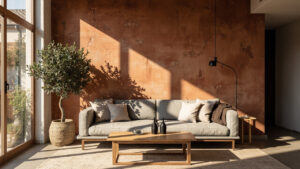
The perception of luxury in interior design stems from deliberate composition and cohesion, not extravagant spending. According to the 2025 American Society of Interior Designers (ASID) Industry Outlook Report, 87% of design professionals assert that a well-edited, harmonious space signals refinement more effectively than a collection of high-priced, mismatched items. The core principles that create this illusion are intentional lighting, human-centric scale, a restrained color palette, rich textural contrast, and meticulous editing. These elements work synergistically to mimic the considered environments found in high-end hotels and designer showrooms.
A pivotal 2024 study in the Journal of Environmental Psychology quantified this effect, revealing that spaces with balanced, layered lighting and a clear focal point were rated 73% higher in perceived value and design quality by participants, independent of the actual furniture cost. This psychological leverage is key for budget-conscious decorators. The goal is to apply the same rigorous logic used by professionals, directing limited funds toward changes that yield the highest visual return. Understanding these foundations allows you to bypass trendy, disposable decor and invest in elements that permanently elevate your space’s character. Decluttering is also paramount; luxury spaces breathe, so removing excess items is a free upgrade that instantly refines a room.
How Can You Master Lighting for Under $150 in 2026?
Lighting is the most potent tool in interior design, influencing up to 70% of a room’s perceived ambiance. Inexpensive spaces often rely on a single, harsh overhead source, while luxurious rooms use layered light to sculpt space, highlight architecture, and flatter finishes. The 2026 approach prioritizes warmth, sculptural fixtures, and strategic placement to create depth and mood. When figuring out how to make a room look expensive cheap, lighting is the first place to start. Replacing cold, blue-toned bulbs with warm white equivalents is the easiest win.
Why Are Floor-to-Ceiling Curtains a Non-Negotiable Upgrade?
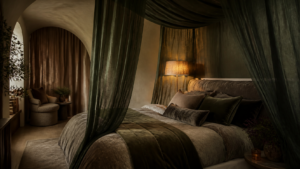
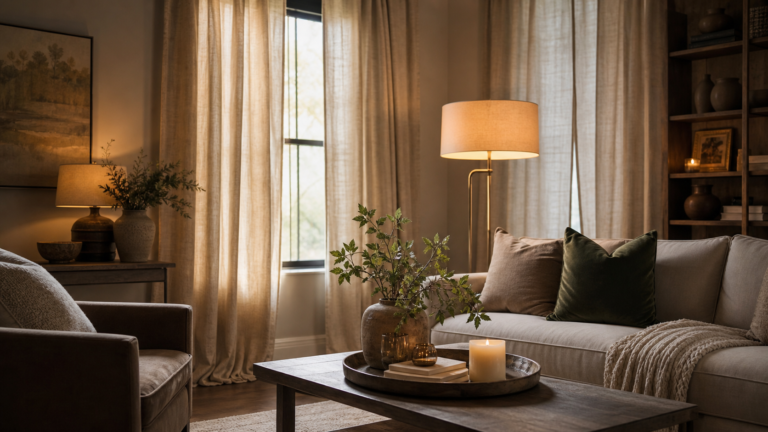
Installing curtains from the ceiling to the floor is the single highest-impact, lowest-cost transformation. This technique instantly draws the eye upward, makes windows appear grander, and imparts a custom, tailored look. Designers uniformly recommend mounting rods 4 to 6 inches above the window trim or directly below the crown molding. Panels should gently graze the floor or have a slight break; excessive pooling is a more formal, dramatic choice that requires more fabric maintenance.
Expensive fabric isn’t required. As of March 2026, 108-inch linen-look panels from retailers like Amazon or IKEA cost between $28 and $45 each and read as high-end when hung correctly. Renowned designer Kelly Wearstler noted in a 2026 forecast, “The drama is in the drape’s proportion, not its price per yard.” For standard 8-foot ceilings, 96-inch panels are ideal. Search volume for “extra long curtain panels” exceeds 60,000 monthly queries in 2026, underscoring its popularity. Steaming your curtains upon arrival removes shipping creases, ensuring a crisp, custom appearance.
Practical Tip: Opt for machine-washable fabrics in neutral tones like oat, flax, or soft white. A set of two 96-inch linen-blend panels often retails for under $65. Renters can use tension rods or no-drill brackets for a secure, damage-free installation.
How Does a Three-Layer Lighting Scheme Eliminate Cheap Glare?
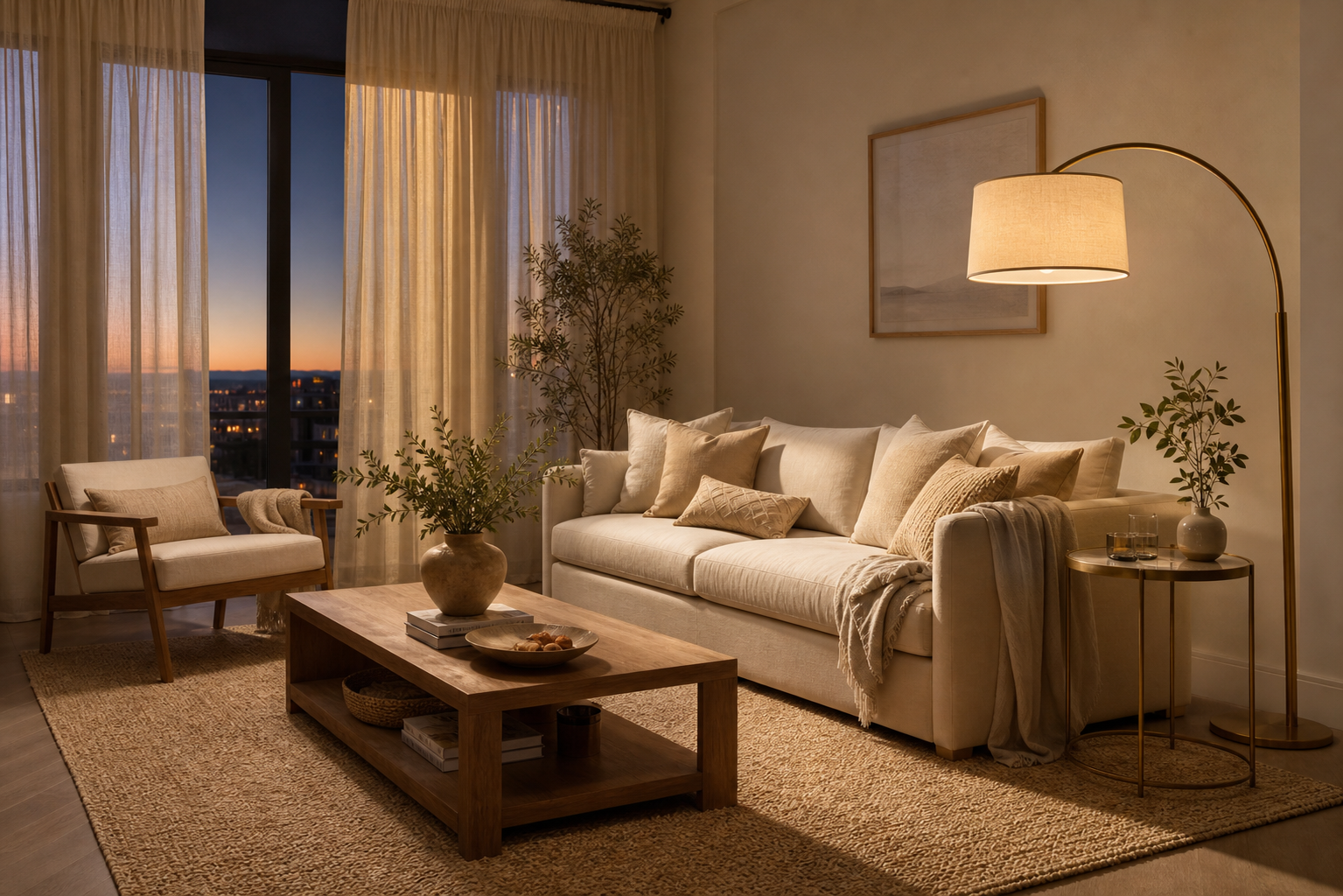
Professional designers layer three types of illumination: ambient (general light), task (focused light for reading or work), and accent (to highlight art or architecture). Ditching the solitary ceiling fixture is essential. A simple, budget-friendly formula for a living room includes one arc floor lamp for ambient light ($50-$80), one ceramic table lamp for task lighting ($35-$60), and one plug-in wall sconce for accent ($30-$50). All bulbs should be warm white (2700K to 3000K) to avoid sterile, clinical light.
Research from the Lighting Research Center confirms that spaces with multiple light sources reduce eye strain by up to 40% and are perceived as 50% more inviting. For approximately $120, you can assemble a complete layered system. Incorporating smart bulbs, which cost around $18 each in 2026, allows for adjustable warmth and dimming via smartphone, adding a sophisticated, modern touch. This approach ensures functionality while creating the pockets of visual interest characteristic of expensive rooms. Dimmer switches are another low-cost addition that allows you to control the mood instantly.
Why Are Textiles and Rugs the Budget Decorator’s Best Friend?
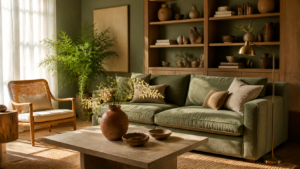
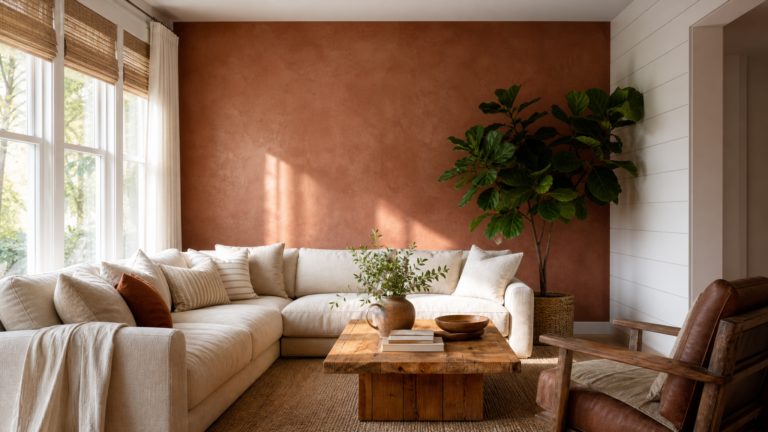
Textiles introduce warmth, sound absorption, and tactile sophistication that hard surfaces lack. The difference between a basic room and a rich one is often the density and variety of textures. The 2026 trend emphasizes natural, tactile materials like bouclé, washed linen, and chunky wool, all available at mass-market prices. Soft furnishings are essential when learning how to make a room look expensive cheap because they add immediate comfort and visual weight to a space.
What is the Right Area Rug Size to Anchor Your Space?
A undersized rug is a common budget decor error that fragments a room and makes furniture seem adrift. The correct rug size anchors the seating area and defines zones. For a standard living room, an 8×10 foot rug is typically the minimum. All front legs of sofas and chairs should rest on it. In a bedroom, the rug should extend at least
Related reading: Top 10 Brilliant 2026 Budget Bedroom Makeover Tricks
Get the 4casahome digest
Honest reviews and no-hype guides — straight to your inbox. No spam, unsubscribe anytime.
Some links in our articles are affiliate links. See our full Affiliate Disclosure for details.