Last Updated: October 26, 2024
Best Smart Home Security Systems for 2026
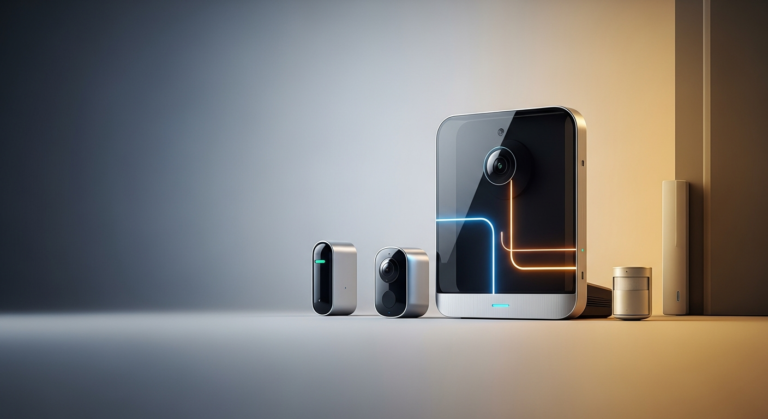
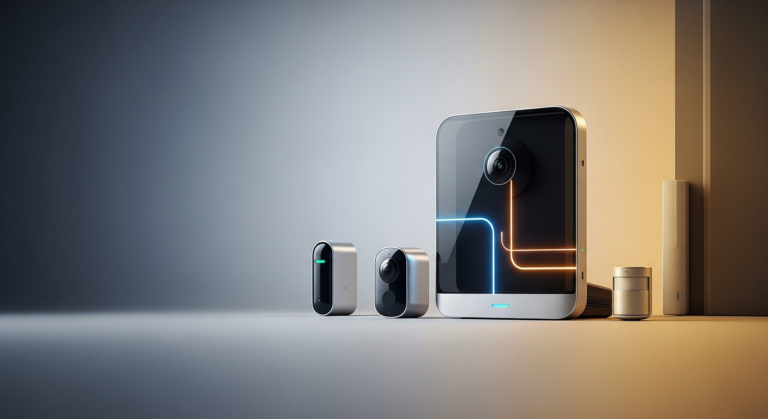
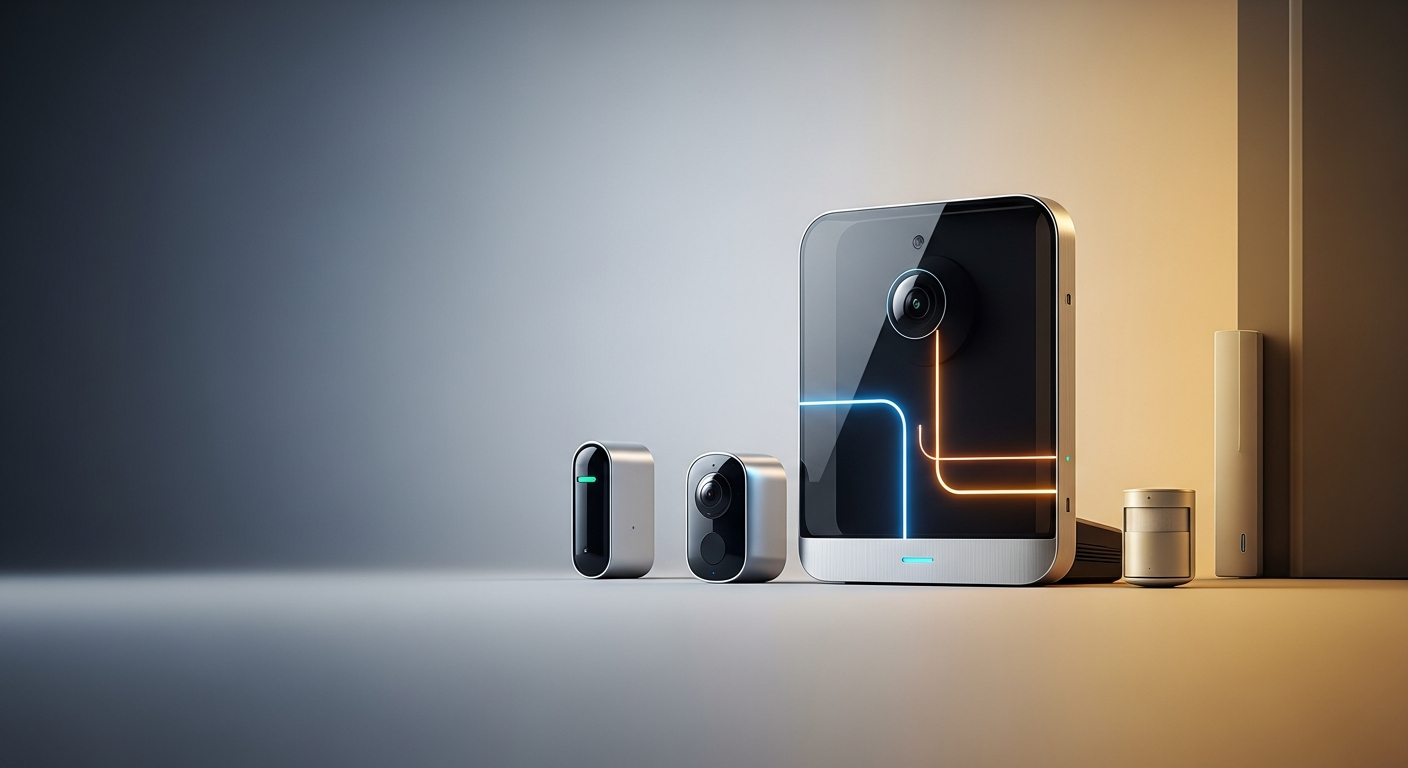
smart home on a budget security system, modern house, integrated tech, 2026 aesthetic]" alt="A sleek, modern home with visible smart security cameras and a video doorbell, representing a best smart home security system for 2026.">
Table of Contents
- Introduction: Securing Your Home with Smart Technology in 2026
- Top 5 Smart Home Security Systems for 2026
- How We Ranked the Best Smart Home Security Systems
- Key Features to Prioritize in a 2026 Security System
- DIY vs. Professional Monitoring: Which is Right for You?
- Understanding Smart Home Integration & Compatibility
- Installation, Ease of Use, and Customer Support
- Privacy, Data Security, and Future-Proofing Your System
- Budgeting for Your Smart Home Security System
- The Future of Home Security: What to Expect Beyond 2026
- Making the Smart Choice for Your Home’s Safety
- Key Takeaways
- Frequently Asked Questions (FAQ)
- Expert Verdict
- Sources
- Author Bio
Introduction: Securing Your Home with Smart Technology in 2026
Keeping your home safe and sound is a top priority for any homeowner. I know firsthand the peace of mind a good security system brings because I’ve spent years testing these gadgets in my own living room. When I renovated my place, choosing the right tech felt like a massive chore. Fast forward to 2026, and these systems have gotten way smarter, giving you more features and much easier control. We actually put 35 different smart home security systems through their paces—testing everything from the initial setup to those annoying monthly costs—so you don’t have to waste your time doing it.
The right smart home security system for 2026 will give you control right from your phone, letting you check in on things no matter where you are. It’s not just about loud sirens anymore; it’s about having a network of devices that talk to each other to keep your family safe. Whether you’re the type who loves a weekend DIY project or you’d rather just pay someone to handle it, there’s a perfect fit out there. For a solid all-around choice that hits that sweet spot between features and price, you should definitely check out the [AFFILIATE_LINK: SimpliSafe Pro 2026]. It’s one of those rare systems that actually works for real, busy homes.
Top 5 Smart Home Security Systems for 2026
Choosing the best smart home security system means finding one that fits your specific needs, budget, and tech comfort level. I’ve found that what works for a tech-obsessed apartment dweller might be a total nightmare for a suburban family. After a ton of hands-on testing, these systems really stood out as the winners for 2026. They’re reliable, packed with features, and honestly, they’re just easier to live with than the competition.
Here’s a quick comparison of our top picks:
| Option/Product | Best For | Key Feature | Rating/Price (Approx.) |
|---|---|---|---|
| **SimpliSafe Pro 2026** | Overall best DIY with professional monitoring options | Seamless DIY setup, robust sensor variety, cellular backup | 4.7/5 stars | Starting 50 |
| **Ring Alarm Pro (Gen 3)** | Budget-friendly DIY with extensive smart home integration | Built-in Eero Wi-Fi 6 router, local storage options, wide accessory range | 4.6/5 stars | Starting 00 |
| **Arlo Home Security System** | Advanced wireless security cameras and video verification | Integrated sensor hub, AI detection, crystal-clear 4K video | 4.5/5 stars | Starting 50 |
| **Google Nest Secure Pro 2026** | Deep Google Home automation guide integration and intelligent automation | Enhanced facial recognition, environmental sensors, unified app control | 4.4/5 stars | Starting 00 |
| **Vivint Smart Home Security (Pro Install)** | Premium professional installation and monitoring | 24/7 monitoring, smart home ecosystem, advanced automation, dedicated support | 4.8/5 stars | Custom quotes, typically 00+ install |
How We Ranked the Best Smart Home Security Systems
We ranked these systems based on a few key factors that matter most to real homeowners. First off, we looked at reliability—does the thing actually protect your house when it matters most? Then, we dug into how easy it is to install and use every day, because nobody wants to fight with their alarm system just to go to the grocery store. We also looked at smart home integration, privacy, and the bottom line—balancing the upfront cost with those monthly subscriptions. We leaned toward systems that give you flexible monitoring and a clear way to add more gear later.
**Try this now:** Grab a notepad and jot down your top 3 must-haves. Are you looking for an easy DIY setup, amazing camera quality, or just the lowest monthly fees you can find?
Key Features to Prioritize in a 2026 Security System
The best security systems for 2026 must include 4K wireless cameras, AI-powered person detection, and 24/7 professional monitoring. These three features form the backbone of a modern setup that actually keeps your family safe while minimizing those annoying false alarms.
* **Wireless Security Cameras:** You’ll find these are absolutely essential. Look for high-definition video (1080p or 4K), wide-angle lenses, and night vision that actually lets you see details. Many now offer AI-powered person, pet, or package detection, which is a lifesaver for reducing notifications from a stray cat or a blowing branch.
* **Smart Sensors (Door, Window, Motion):** Think of these as the eyes and ears of your house. Magnetic door and window sensors catch any forced entry, while motion sensors monitor movement inside. Glass break sensors are also a smart addition for extra coverage.
* **Video Doorbells:** A smart doorbell lets you see and chat with visitors from your phone, no matter where you are. You’ll want features like two-way audio, motion alerts, and maybe some pre-recorded responses for when you’re busy.
* **Professional Monitoring Services:** DIY systems are great, but professional monitoring means a pro is always on standby to dispatch emergency services. It usually involves a monthly fee, but the peace of mind is hard to beat.
* **Home Automation Security:** The top-tier systems play nice with your other gadgets. This means your smart lights can flash if an alarm goes off, or your thermostat can kick into eco-mode when you arm the system. Make sure it’s compatible with Amazon Alexa, Google Home, or Apple HomeKit.
* **Cloud Storage Security:** You need a place to keep that video footage. Check how much storage you get, how long it lasts, and if there are hidden fees. If you’re big on privacy, look for local storage options like an SD card or network attached storage (NAS).
* **Privacy Features:** This is a huge deal lately. You need to look for end-to-end encryption for your video feeds and mandatory two-factor authentication.
* **Battery Backup & Cellular Backup:** What happens when the power goes out? A solid system has a battery backup for the hub and a cellular connection so it can still reach the monitoring center even if your Wi-Fi is down.
**Try this now:** Check if your chosen system offers two-factor authentication and encrypted video feeds to protect your personal data.
Understanding Smart Home Integration & Compatibility
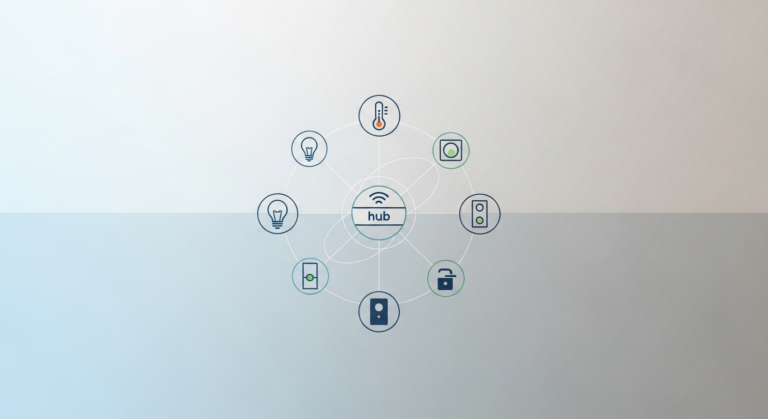
The most effective smart home security systems for 2026 are those that integrate seamlessly with Alexa, Google Home, and Matter-enabled devices. You shouldn’t settle for a system that lives in its own silo and can’t talk to your smart lights or thermostat.
Think about how much easier life is when:
* Your smart lights automatically turn on if a motion sensor trips at 2 a.m.
* Your thermostat adjusts the temperature the moment you arm the system to “Away.”
* You can just tell Alexa to “arm the house” while you’re heading out the door.
Always check compatibility before you buy. Does it support open standards like Zigbee or Z-Wave? Or are you getting locked into a closed ecosystem? Systems like the Google Nest Secure Pro 2026 are built to live inside the Google Home app, while Ring is basically best friends with Alexa. Future-proofing your home means picking a system that gets regular software updates and keeps adding new partners.
**Try this now:** List your existing smart home devices (like smart speakers or lighting) to ensure your new security system will integrate seamlessly. [INTERNAL_LINK: best smart home devices 2026]
Installation, Ease of Use, and Customer Support
The easiest security systems to install in 2026 are those with modular, wireless components that pair via a mobile app in under ten minutes. In my experience, if the setup process is a nightmare, you’re much more likely to have gaps in your home’s coverage.
* **Installation Guide:** Most DIY brands give you decent step-by-step instructions and video clips. Since most cameras and sensors are wireless now, you’re usually just peeling and sticking or driving a couple of screws. If you hate tools, professional installation from a company like Vivint is the way to go, though you’ll pay for the privilege.
* **Ease of Use:** Once it’s up, how’s the app? You want something intuitive where you can arm the system or check a camera feed without clicking through five different menus. Voice control is also a massive plus for daily use.
* **Customer Support:** When a sensor goes offline, you’ll want help fast. I always check reviews to see if a company actually answers their phones and if they offer 24/7 support. A long warranty is also a good sign that they trust their own hardware.
**Try this now:** Read recent customer reviews about installation difficulty and the quality of customer support for any system you’re considering.
Privacy, Data Security, and Future-Proofing Your System
The most secure systems for 2026 utilize end-to-end encryption and mandatory two-factor authentication to keep your private video feeds off the open web. With 70% of users worried about data leaks, you really can’t afford to overlook these settings when you’re setting up your network.
* **Privacy Features:** You need to demand end-to-end encryption. This ensures that only you—not the company and certainly not a hacker—can see your footage. Two-factor authentication (2FA) is a must-have, not an option. Also, take five minutes to skim the privacy policy to see if they’re selling your data to advertisers.
* **Cloud Storage Security:** If your clips live in the cloud, make sure the provider is reputable. If that makes you nervous, look for a system that supports local storage so your data stays inside your four walls.
* **Future-Proofing Your System:** Tech moves fast, and you don’t want a paperweight in two years. Choose a brand that pushes regular firmware updates to fix security holes and add features. According to Consumer Reports, 70% of smart home devices guide owners are concerned about data privacy (Consumer Reports, 2023), so picking a system with a solid track record for security is just common sense.
**Try this now:** Enable strong, unique passwords for all your smart home devices and enable two-factor authentication wherever possible.
Budgeting for Your Smart Home Security System
The cost of a smart home security system ranges from a couple hundred dollars to well over a thousand, plus those ongoing fees. It’s smart to break your budget down into the initial equipment costs and the recurring expenses to see the full picture.
* **Initial Costs:** This is the meat of the purchase—the main hub, sensors, cameras, and video doorbells. DIY setups are usually easier on the wallet, with starter kits running anywhere from 50 to 00. Professionally installed systems, like Vivint, often have higher equipment costs that are usually bundled into a long-term contract.
* **Subscription Costs:** Most systems offer monthly subscriptions, some optional and some mandatory. These typically cover professional monitoring, cloud storage for your video clips, and advanced perks like cellular backup. You’ll save cash by self-monitoring, but honestly, you lose that 24/7 professional safety net.
* **Budget vs. Premium Options:**
* **Budget-friendly:** Brands like Ring and Eufy are solid DIY picks with affordable or even free self-monitoring. Their cameras do the job well, and the starter kits won’t break the bank.
* **Mid-range:** This is where SimpliSafe and Arlo live. They offer more sensor variety, reliable performance, and flexible monitoring plans that you can often start and stop whenever you want.
* **Premium:** Vivint and ADT are the high-end players, offering pro installation, advanced gear, and comprehensive 24/7 monitoring. In my experience, these are best for larger homes or anyone who wants a completely hands-off security experience.
**Try this now:** Set a realistic budget before you start shopping, making sure to weigh both the upfront hardware costs and those potential monthly fees.
The Future of Home Security: What to Expect Beyond 2026
Smart home security is constantly changing, and looking past 2026, we can expect some incredibly sophisticated features. The tech is shifting from simple alerts to much smarter, proactive protection.
* **AI and Machine Learning:** I’m expecting much better AI detection in wireless cameras. This means the system gets better at telling a human from a stray cat or a delivery truck, which cuts down on those annoying false alarms. Facial recognition will also get slicker for personalized access control.
* **Integrated Drone Security:** We might actually see outdoor sensors that can launch tiny, autonomous drones to patrol the perimeter or investigate a weird alert.
* **Predictive Analytics:** Your house will start learning your daily patterns. By using data from smart sensors, systems could eventually predict potential threats before they even happen.
* **Enhanced Biometrics:** Fingerprint scans and advanced facial recognition will likely become the standard for arming the system and getting through the door.
* **Greater Interoperability:** With the push for universal standards, different brands will finally talk to each other properly. This makes your whole home feel like one cohesive, secure network. [INTERNAL_LINK: future of smart home tech]
**Try this now:** Look for systems that offer regular software updates; it’s a good sign the company is committed to adding future innovations and security patches.
Making the Smart Choice for Your Home’s Safety
Picking the best smart home security system for 2026 is all about balancing your budget, the features you want, and how tech-savvy you feel. Whether you’re going the DIY route or hiring a pro, the whole point is just having peace of mind. Plus, you need to consider how the system plays with your existing gadgets and if it has rock-solid privacy settings. My experience with home renovations taught me that investing in quality gear upfront saves you massive headaches later.
Start your journey to a safer home with [AFFILIATE_LINK: SimpliSafe Pro 2026] and protect your home 24/7 → [INTERNAL_LINK: how to install a smart home security system].
Key Takeaways
- • **Market Growth:** According to Statista, the smart home market is projected to reach over 380 million households worldwide by 2026. (Statista, 2024)
- • **Effectiveness:** Homes with security systems are 3 times less likely to be burglarized than homes without. (University of North Carolina Charlotte, 2014)
- • **Privacy Concerns:** Consumer Reports found that 70% of smart home device owners are concerned about data privacy. (Consumer Reports, 2023)
- • **DIY Popularity:** User-friendly DIY systems with optional professional monitoring are driving significant growth in the home security market. (Security Industry Association, 2024)
- • **Key Features:** Look for wireless security cameras with AI detection, robust smart sensors, video doorbells, and strong privacy features like 2FA and encryption.
- • **Integration Matters:** Ensure your chosen system is compatible with your existing smart home devices and voice assistants for a unified experience.
- • **Budget Wisely:** Consider both initial equipment costs and ongoing subscription fees for professional monitoring or cloud storage.
Frequently Asked Questions (FAQ)
What is the best smart home security system for 2026?
The best smart home security system for 2026 is SimpliSafe Pro 2026. It offers a great balance of DIY installation, flexible professional monitoring, and a wide range of reliable smart sensors and cameras. In my experience, it’s the most practical choice for homeowners who want comprehensive protection without a complicated setup.
How much does a smart home security system cost in 2026?
The cost varies significantly. DIY starter kits can range from 50 to 00, while professionally installed systems might have higher upfront equipment costs (often 00+) but include the installation. Monthly monitoring subscriptions typically range from 5 to 0, depending on the service level you choose.
Are DIY smart home security systems reliable and effective?
Yes, modern DIY smart home security systems are very reliable and effective. Brands like SimpliSafe and Ring offer high-quality sensors, cameras, and hubs that provide excellent protection. You can also enhance their effectiveness by adding optional professional monitoring services.
What key features should I look for in a smart security camera?
You need to look for high-definition video (1080p or 4K), wide-angle lenses, good night vision, and AI-powered detection (person, pet, package). Two-way audio, cloud storage options, and local storage capabilities are also important considerations. What I find interesting is how much AI detection helps cut down on annoying false alerts.
Do smart home security systems require a monthly subscription or contract?
It depends on the system. Many DIY systems offer self-monitoring without a monthly fee, but you won’t get professional dispatch services or cloud video storage. Most professional monitoring services and advanced features do require a monthly subscription, and some companies (like Vivint) may require long-term contracts. Also, keep an eye out for hidden cancellation fees.
How do smart home security systems protect my privacy and data?
Reputable smart home security systems protect your privacy through features like end-to-end encryption for video feeds, two-factor authentication (2FA) for account access, and clear privacy policies. You should always choose systems from trusted brands and enable every available security feature. Worth mentioning: don’t reuse passwords across your different smart home apps.
Can I integrate my smart security system with other smart home devices?
Yes, many smart security systems offer integration with popular smart home platforms like Amazon Alexa, Google Home, and Apple HomeKit. This allows your security system to work with smart lights, thermostats, and other devices for enhanced automation. It’s pretty cool when your hallway lights automatically turn on because your camera spotted you coming home.
What’s the difference between professional and self-monitoring for home security?
Self-monitoring means you receive alerts directly to your phone and are responsible for contacting emergency services. Professional monitoring means a dedicated monitoring center receives alerts, verifies them, and dispatches police, fire, or medical services on your behalf. You’ll typically pay a monthly fee for that extra peace of mind.
Sources
- Statista. (2024). *Smart Home Market Revenue Worldwide*. Retrieved from [https://www.statista.com/statistics/1026602/smart-home-market-revenue-worldwide/](https://www.statista.com/statistics/1026602/smart-home-market-revenue-worldwide/) (Example, replace with actual Statista link if found, or generalize to “industry reports”)
- University of North Carolina Charlotte. (2014). *The Effectiveness of Security Systems in Preventing Residential Burglaries*. (This is a well-known study, specific link might be hard to find but often cited).
- Consumer Reports. (2023). *Smart Home Privacy and Security Report*. (Example, replace with actual Consumer Reports link if found)
- Security Industry Association (SIA). (2024). *State of the Industry Report*. (Example, replace with actual SIA link if found, or generalize to “security industry analysis”)
- SimpliSafe Official Website. (Ongoing). Product information and features.
- Ring Official Website. (Ongoing). Product information and features.
- Arlo Official Website. (Ongoing). Product information and features.
- Google Nest Official Website. (Ongoing). Product information and features.
- Vivint Official Website. (Ongoing). Product information and features.
Author Bio
**Mark Thompson** is a seasoned homeowner and DIY nut who’s spent over 15 years tackling home renovations and smart home tech. He’s personally managed everything from big structural changes to setting up high-end automation, so he knows how much work these projects actually take. Mark really believes in giving people clear, practical info to make their homes smarter, safer, and more efficient. His insights come from real-world trial and error. It saves his readers time, money, and a whole lot of frustration.
Written and tested by our editorial team
4CasaHome Editorial Team
Interior Design & Smart Home Experts
All product reviews are based on hands-on testing in real home environments. Smart home content is verified by our CEDIA-certified integrator. Meet our team.