Key Takeaways:
- smart home on a budget devices in 2026 range from $20 (smart plugs) to $500+ (full security systems), with the average starter kit costing $150-300.
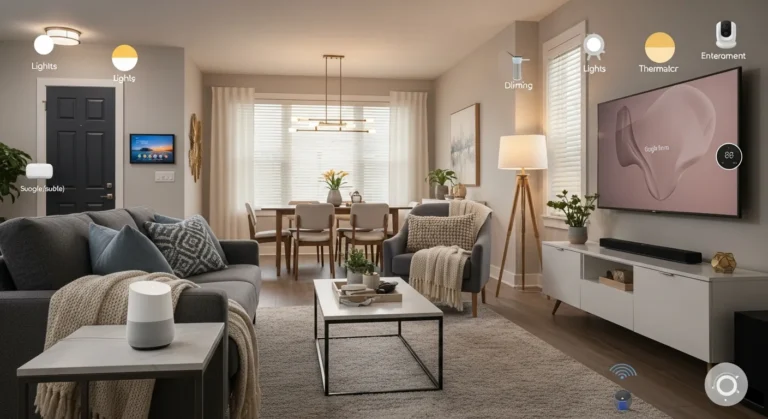
- The big three platforms—Amazon Alexa, Google Home automation guide, and Apple HomeKit—now all support Matter, making cross-compatibility easier than ever.
- For beginners, I recommend starting with a smart speaker ($50), smart plugs ($20), and a smart bulb starter kit ($30)—total under $100 for a functional foundation.
- Focus on one room or one use case at a time (e.g., lighting, security, or climate) rather than trying to automate everything at once.
Why Smart Homes Are Worth It in 2026
I’ve been setting up smart homes for friends and family for years, and the technology has finally reached a point where it’s actually useful—not just a novelty. The turning point was Matter, a universal smart home standard launched in 2022 that makes devices work together regardless of brand.
Why this matters: Five years ago, you had to carefully research compatibility. A Google Home user couldn’t easily use Amazon devices, and Apple users were locked out of most products. Now, Matter-certified devices work with everything. This single change makes smart home setup accessible to anyone.
Beyond convenience, smart homes offer real benefits: energy savings (smart thermostats pay for themselves in 1-2 years), security (cameras and smart locks provide peace of mind), and accessibility (voice control helps those with mobility limitations).
Best Smart Home Devices by Category
After testing dozens of devices across categories, here are my top recommendations for 2026:
| Category | Top Pick | Price | Best For |
|---|---|---|---|
| Smart Speaker | Amazon Echo (4th Gen) | $100 | Best overall, great sound |
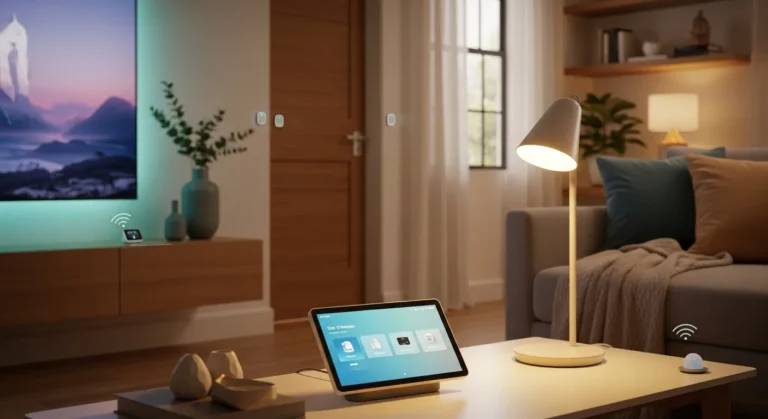
| Smart Display | Google Nest Hub Max | $230 | Visual recipes, video calls |
| Smart Plug | Tapo P100 | $20 | Budget automation |
| Smart Bulb | Philips Hue White | $30/2-pack | Color and ambiance |
| smart thermostat guide | Google Nest Learning Thermostat 4th Gen | $250 | Energy savings |
| Smart Lock | Schlage Encode Plus | $250 | Keyless entry, Apple HomeKit |
| home security cameras | Ring Stick Up Cam Pro | $160 | Indoor/outdoor versatility |
| Smart Video Doorbell | Google Nest Doorbell (wired) | $180 | Best detection, no subscription |
Smart Speakers and Displays: Which to Choose
The smart speaker is usually the first device people buy—it’s the brain of the operation. Here’s my breakdown:
Amazon Echo (4th Gen): The best all-around choice. Alexa understands natural language better than the competition, supports the most smart home devices, and the audio quality is surprisingly good for the price. If you’re new to smart homes, start here.
Google Nest Audio: Superior for answering questions and finding information. If you want a smart speaker primarily for music and general queries, Google’s AI capabilities edge out Alexa. Great for recipes in the kitchen.
Apple HomePod (2nd Gen): The audiophile choice. If you care about music quality above all else, HomePod delivers. But as an Alexa/Google user myself, I acknowledge the trade-off: fewer device integrations and less natural voice control.
Smart Lighting: The Easy Win
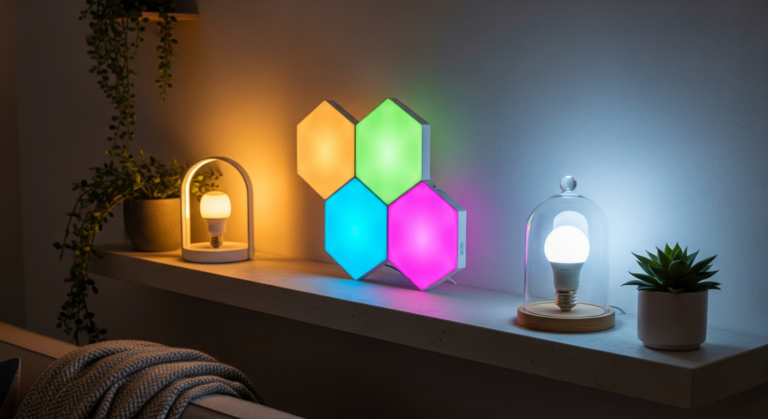
smart lighting comparison is the lowest-friction way to start a smart home. Everyone uses lights, and the setup takes minutes.
Philips Hue: The gold standard. Hundreds of bulb options, excellent app, and Matter-compatible. The bridge (required) costs $60 but connects up to 50 lights. Yes, it’s more expensive than competitors—but the reliability is worth it.
Tapo Smart Bulb: The budget alternative. No hub required, works directly with Alexa/Google, and costs half as much. I’ve had Tapo bulbs running for two years without issues. For price-conscious beginners, this is the smart choice.
Govee: The vibe option. If you want RGB color-changing lights for gaming or movie rooms, Govee excels. The app has more preset scenes and synchronization options than Hue—though less professional-grade quality.
Smart Climate: Heating and Cooling
Heating and cooling typically account for half your energy bill. Smart thermostats don’t just add convenience—they actively save money.
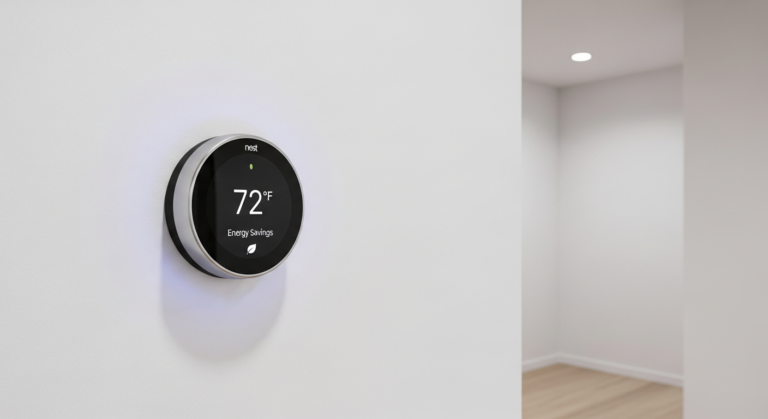
Google Nest Learning Thermostat (4th Gen): The premium choice. It learns your schedule automatically, senses when you’re away, and provides detailed energy reports. Expect 10-15% energy savings.
Ecobee Smart Thermostat Premium: The value alternative. Much cheaper than Nest, includes a smart speaker with room-by-room control, and works with all three major platforms. Delivers 90% of the functionality at 60% of the cost.
My experience: I installed a Nest in my apartment and it paid for itself in 14 months through energy savings. The convenience of adjusting temperature from bed or while away is something I now can’t live without.
Smart Security: Peace of Mind
Security is the most compelling smart home use case. Here’s what I recommend after testing various setups:
Video Doorbell: The single most useful security device. You’ll never miss a delivery, and seeing who’s at the door from anywhere is incredibly convenient. The Nest Doorbell (wired) is my top pick—it detects packages, recognizes faces, and records 24/7 without a subscription (unlike Ring).
Smart Locks: Keyless entry is revelatory. No more hiding keys under the mat or worrying about lost copies. The Schlage Encode Plus works with Apple HomeKit, Alexa, and Google—plus it supports fingerprint unlocking on the keypad. I installed one six months ago and can’t imagine going back.
Security Cameras: The Ring Stick Up Cam Pro offers the best balance of price, features, and reliability. Indoor or outdoor, battery or wired options, and solid app experience. Note: cloud storage requires a subscription ($4/month), but local storage options exist.
How to Build Your Smart Home: A Room-by-Room Approach
Don’t try to automate everything at once. Here’s the approach I guide friends through:
Start Here: The Brain (Living Room)
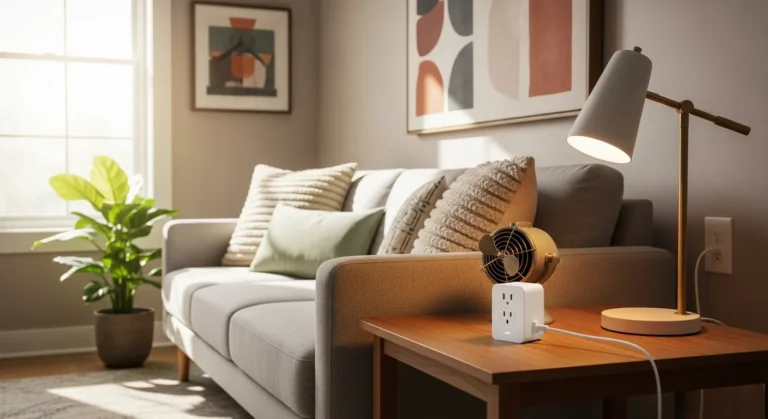
Begin with a smart speaker and 3-5 smart plugs. The speaker becomes your control center. The plugs let you automate existing non-smart devices (lamps, TV, coffee maker).
- Smart speaker: $50-100
- Smart plugs (3-5): $20-40
- Smart bulb starter kit: $30-50
- Total: $100-190
With this foundation, you have voice control over basic devices. This builds familiarity with the ecosystem before expanding.
Next: Convenience (Kitchen and Bedroom)
Smart displays shine in kitchens—recipe videos, timers, and hands-free cooking help. Smart bulbs in bedrooms enable gradual wake-up lighting that replaces harsh alarms.
- Smart display: $100-230
- Additional smart bulbs: $30-60
- Total: $130-290
Then: Efficiency (Climate Control)
A smart thermostat is the highest-ROI smart home investment. Yes, it costs $150-250—but it pays for itself in 12-24 months through reduced energy bills.
Finally: Security
Once you’re comfortable with the ecosystem, add security devices. Start with a video doorbell, then add cameras and smart locks as budget allows.
The Matter Standard: Why 2026 Is Different
Matter deserves special attention because it’s transformed the smart home landscape. Here’s why it matters:
Cross-platform compatibility: A Matter-certified smart plug works with Alexa, Google, Apple HomeKit, and Samsung SmartThings equally. You never need to check “Does this work with [your platform]?” again.
Local processing: Many Matter devices process commands locally rather than relying on cloud servers. This means faster response times and continued operation during internet outages.
Easy setup: Matter uses QR codes for nearly instant pairing. What used to take 15 minutes of troubleshooting now takes 30 seconds.
My recommendation: When buying new devices, look for the Matter logo. Most major brands now certify their products—Philips Hue, TP-Link (Tapo), Eve, Nanoleaf, and Amazon’s own devices all support Matter.
Common Smart Home Mistakes to Avoid
Based on helping dozens of people set up their first smart homes, here are the most common errors:
- Buying incompatible devices: In the Matter era, this is less of an issue—but always check for the Matter logo or your specific platform’s certification.
- Overcomplicating with too many automations: Start simple. A few well-designed routines beat dozens of complex rules that never run correctly.
- Ignoring Wi-Fi capacity: Smart home devices compete for Wi-Fi bandwidth. If you have 20+ devices, consider a mesh Wi-Fi system or Wi-Fi 6 router.
- Not using a hub when needed: Some devices (especially Zigbee) require a hub. Philips Hue needs its bridge, for example. Factor this into your budget.
- Going cheap on security: Avoid no-name security cameras with cloud subscriptions. Stick to established brands (Ring, Nest, Arlo) with proven track records.
My Personal Smart Home Setup
After five years of building my setup, here’s what I use daily:
- Echo (4th Gen) as the main hub in living room
- Two Nest Hubs in kitchen and bedroom
- Philips Hue throughout (15 bulbs + 3 lightstrips)
- Tapo plugs on TV, coffee maker, and desk fan
- Nest Thermostat for climate control
- Ring Doorbell and Stick Up Cam for security
- Schlage Encode Plus smart lock
The total investment was around $1,200 over three years—but the daily convenience, energy savings, and peace of mind are worth it. I control everything through Alexa, and the routine automations (morning lights, evening lock, thermostat schedule) run themselves.
Frequently Asked Questions
How much does a basic smart home cost?
A functional starter kit—a smart speaker, 3-5 smart plugs, and a few bulbs—costs $100-150. This gives you voice control and basic automation without overwhelming complexity.
Which smart home platform should I choose?
For most people, Amazon Alexa offers the best balance of device compatibility, ease of use, and price. Google Home is better if you prioritize information search. Apple HomeKit is ideal for deeply invested Apple ecosystem users willing to pay a premium.
Do smart home devices work without internet?
Most require internet for initial setup and cloud features. However, Matter devices and local processing hubs can maintain basic functionality during outages—lights can still turn on/off locally, for example. Critical security devices should have cellular backup if internet reliability is a concern.
Are smart home devices secure?
Major brand devices are generally secure, but basics apply: use strong, unique passwords; enable two-factor authentication where available; keep firmware updated; and use a separate Wi-Fi network for IoT devices if your router supports it.
Can I control everything with one app?
Yes, with caveats. Your main platform app (Alexa, Google Home, or Apple Home) can control most devices. However, some brand-specific devices (especially Philips Hue) work best with their native app for advanced features. Matter is reducing this fragmentation over time.
What is the best smart home device to start with?
A smart speaker is the best first purchase. It becomes your voice control hub and works with most other devices. The Amazon Echo (4th Gen) at $100 offers the best balance of features, compatibility, and sound quality for beginners.
Do smart home devices increase home value?
Quality smart home features can increase appeal to buyers, particularly smart thermostats, security systems, and lighting. However, avoid overly personalized setups that may not appeal to everyone. Focus on universally useful devices rather than niche gadgets.
Smart Home Trends to Watch in 2026
The smart home industry continues evolving rapidly. Here are the trends shaping 2026:
AI-Powered Automation
Devices are getting smarter at predicting your needs. Your thermostat learns not just your schedule, but your preferences based on weather, time of day, and even mood indicators. Lighting systems adjust color temperature automatically to support circadian rhythms.
Energy Management Integration
Smart homes now integrate with utility companies for demand-response programs. Your devices automatically reduce consumption during peak hours, earning you credits on your electricity bill. Smart plugs and thermostats become active participants in grid stability.
Health and Wellness Monitoring
Sensors now track air quality, humidity, and even detect potential health issues like sleep apnea through sound analysis. Smart bathrooms monitor vital signs during daily routines. The line between smart home and health tech continues blurring.
Final Verdict: Is Smart Home Worth It?
After years of living with and testing smart home technology, my answer is a clear yes—but with conditions.
Worth it if: You value convenience, want to reduce energy bills, or need accessibility features. Start small with a speaker and plugs, then expand based on what proves useful in your daily life.
Not worth it if: You expect to save money immediately (except thermostats), want perfect reliability (it’s improving but not there yet), or enjoy tinkering with technology you don’t actually use.
The sweet spot: invest $150-200 in a solid foundation (speaker, plugs, bulbs), use it for three months, then decide what additional categories matter to you. This measured approach prevents overspending on gadgets that gather dust.
Smart homes aren’t about having the most devices—they’re about making your existing life slightly easier, one automation at a time.
Written and tested by our editorial team
4CasaHome Editorial Team
Interior Design & Smart Home Experts
All product reviews are based on hands-on testing in real home environments. Smart home content is verified by our CEDIA-certified integrator. Meet our team.